Few breeds in modern canine history have risen as quickly — or captured as many hearts as deeply — as the American Bully. Born from a vision of companionship, athleticism, and gentle power, this breed represents one of the most intentional and successful selective breeding programs of the last 40 years. Whether you're a lifelong enthusiast or someone who just saw a photo of a wide-chested, soft-eyed Bully and thought, what is that magnificent dog? — you're in the right place.
This guide is the most comprehensive resource we know of on the American Bully breed. We'll cover everything: the breed's fascinating origin story, all four ABKC-recognized size varieties, the full temperament profile, official conformation standards, coat color genetics, the bloodlines that shaped the breed, registration bodies, and how the American Bully compares to related breeds. We've also answered the most common questions we hear from prospective owners every week.
At American Bully Haven Pups in Austin, Texas, we've dedicated ourselves to breeding ABKC- and UKC-registered American Bullies that exemplify both the written standard and the spirit of this extraordinary breed. Everything in this guide reflects not just research, but years of hands-on experience raising, training, and placing these dogs in loving homes. Let's dive in.
Origin and History of the American Bully
The American Bully emerged in the United States during the late 1980s and early 1990s, primarily in Virginia and Southern California. The foundational breeders — most notably Dave Wilson of Razor's Edge Kennels — sought to create a companion-focused breed that retained the muscular, athletic build of the American Pit Bull Terrier (APBT) while breeding away from the high prey drive and dog-aggression that some working terrier lines carried.
Foundational Breeds
The American Bully is not a single-breed derivative — it is a purposefully developed composite breed. Its primary foundation is the American Pit Bull Terrier (APBT), which contributed athleticism, structure, and loyalty. The American Staffordshire Terrier (AmStaff) added substance and a calmer temperament. Additional genetic contributions — acknowledged by historians and visible in the breed's structure — came from:
- English Bulldog: wider chest, shortened muzzle (in some lines), and heavier bone
- Staffordshire Bull Terrier: compact body and affectionate temperament
- American Bulldog (in some XL-type lines): added height and mass
- Olde English Bulldogge (in select programs): contributed blocky head structure
The breed was formally recognized by the American Bully Kennel Club (ABKC) in 2004, and later by the United Kennel Club (UKC) in 2013 — a milestone that cemented its legitimacy as a distinct breed, separate from the APBT.
Why Was the American Bully Created?
This is a question worth pausing on. The breed was designed explicitly as a family companion — not a fighting dog, not a guarding breed, not a working terrier. The founders wanted a dog with the visual presence and physical power of a bully-type breed combined with a temperament so stable, gentle, and human-oriented that it would thrive in a home environment. In that respect, the breed has been an unqualified success.
For a deeper exploration of how this history shapes modern ownership, visit our full resource library.
The Four ABKC-Recognized Size Varieties
One of the most common points of confusion for newcomers is that "American Bully" is not a single size — it's a breed with four officially recognized varieties, each judged by the same conformation standard but differentiated primarily by height at the withers.

A comparative visual of the four American Bully varieties recognized by the ABKC, illustrating the proportional differences in height and mass between the Pocket, Standard, Classic, and XL varieties as defined in the official conformation standard.
Pocket Bully
The Pocket Bully is the smallest variety, but don't let the name mislead you — these dogs are densely muscled and surprisingly heavy for their height.
- Height: Males under 17 inches; females under 16 inches at the withers
- Typical weight: 11–22 kg (25–50 lbs), though heavily muscled individuals can exceed this
- Build: Extremely compact, wide, and heavily muscled relative to height
- Personality: All the Bully temperament traits in a smaller package — highly popular for apartment and urban living
Standard Bully
The Standard is the baseline variety from which the breed standard is written.
- Height: Males 17–20 inches; females 16–19 inches
- Typical weight: 30–40 kg (65–85 lbs)
- Build: Medium height with heavy bone, defined musculature, and a broad, blocky head
- Personality: Balanced, versatile, excellent with families
Classic Bully
The Classic shares the same height parameters as the Standard but carries a lighter body frame — closer in overall build to the American Pit Bull Terrier foundation.
- Height: Same as Standard (17–20 inches males, 16–19 inches females)
- Build: Less overall body mass and width; more athletic, less extreme
- Key distinction: Lighter framing without the extreme musculature of Standard or Pocket
- Personality: Highly active, athletic — often preferred by owners who want a slightly more agile Bully
XL Bully
The XL is the largest variety and has become increasingly prominent — and sometimes controversial — in the breed community.
- Height: Males over 20 inches (up to ~23 inches); females over 19 inches
- Typical weight: 45–60 kg (100–130 lbs)
- Build: Same proportional standard as the Standard but scaled up; must not appear disproportionate or unsound
- Personality: Gentle giants — often surprisingly calm and docile despite their imposing size
| Variety | Male Height | Female Height | Approx. Weight | |---------|-------------|---------------|----------------| | Pocket | < 17 in | < 16 in | 25–50 lbs | | Standard | 17–20 in | 16–19 in | 65–85 lbs | | Classic | 17–20 in | 16–19 in | 50–70 lbs | | XL | > 20 in | > 19 in | 100–130 lbs |
For a detailed breakdown of what each variety costs and why pricing varies, see our American Bully Price Guide 2026: What to Expect & Why It's Worth It.
American Bully Temperament
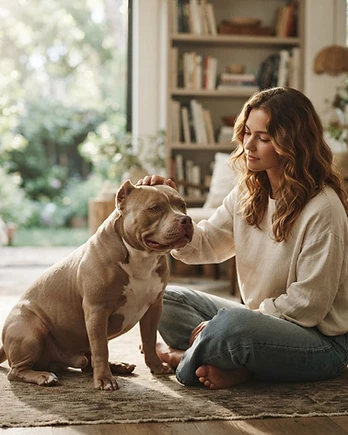
If there is one thing we want every reader to understand about the American Bully, it's this: this breed was designed to love people. The temperament of the well-bred American Bully is arguably its greatest attribute.
Core Temperament Traits
- Human-oriented: American Bullies are intensely bonded to their families. They thrive on proximity, physical affection, and inclusion in daily life.
- Gentle with children: The breed is frequently described as a "nanny dog" type — patient, tolerant, and playful with kids of all ages.
- Confident but not aggressive: A properly bred and socialized American Bully is self-assured without being reactive or dominant.
- Low to moderate dog aggression: While some individuals can be selective with other dogs (a legacy of the APBT foundation), well-socialized Bullies typically do well with canine companions.
- Minimal guarding instinct: These dogs are lovers, not guards. They will often greet strangers warmly — a feature the founders intentionally bred for.
Temperament and the ABKC Standard
The ABKC conformation standard explicitly lists temperament as a judged trait. The standard calls for dogs that are "gentle and loving toward people" and notes that aggression toward humans is a serious fault that can result in disqualification. This isn't just a preference — it's a breed requirement. Ethical breeders like us at American Bully Haven Pups conduct temperament assessments as a core part of our breeding selection.
For first-time owners, we strongly recommend reading The First-Time American Bully Owner's Complete Guide before bringing your puppy home.
ABKC Conformation Standard: What Makes a Superior American Bully
The American Bully Kennel Club (ABKC) conformation standard is the authoritative document defining breed excellence. Understanding it helps you evaluate breeding quality and identify ethical, standard-compliant breeders.
Head and Skull
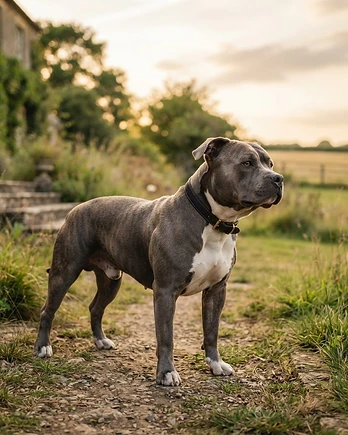
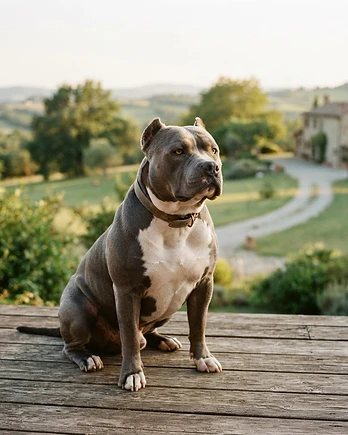
- Skull: Large, broad, and blocky; flat or slightly rounded on top
- Stop: Well-defined, deep
- Muzzle: Medium length (approximately 25–35% of total head length), broad and deep; square in profile
- Cheeks: Pronounced zygomatic arch (cheek muscles) — a key hallmark of the breed
- Eyes: Round to oval, low-set, wide apart; any color acceptable except albinism
- Ears: Can be natural (rose, semi-prick, or prick) or cropped; set high on skull
- Lips: Semi-close, not excessively loose
Neck, Topline, and Body
- Neck: Heavy, muscular, slightly arched; medium length
- Topline: Level to slightly sloping from withers to rump
- Chest: Broad, deep, and full; well-sprung ribs
- Back: Short to medium length, strong and firm
- Loin: Short, muscular, slightly tucked
Forequarters and Hindquarters
- Shoulders: Laid back, muscular, and well-defined
- Front legs: Straight, heavy-boned, wide-set
- Hindquarters: Well-muscled, broad, with moderate angulation
- Feet: Round, compact, well-arched toes
Coat and Size
- Coat: Short, close, stiff to the touch; no trimming required
- Color: All colors and patterns accepted except merle (in some registry contexts — see genetics section below)
Movement and Gait
The American Bully should move with confident, purposeful strides. The gait is described as springy but powerful — front and rear legs tracking straight, no crabbing or excessive sway.
Coat Colors and Color Genetics
The American Bully showcases one of the most diverse color palettes of any breed — a direct result of the varied genetic backgrounds of its foundation breeds and intentional color-focused breeding programs.

A collection of American Bully puppies displaying rare and sought-after coat color patterns including lilac tri-color, blue tri-color, chocolate tri, and merle, demonstrating the breed's exceptional genetic color diversity produced through responsible, DNA-tested breeding programs.
Base Colors
- Black: Dominant eumelanin expression; common in all varieties
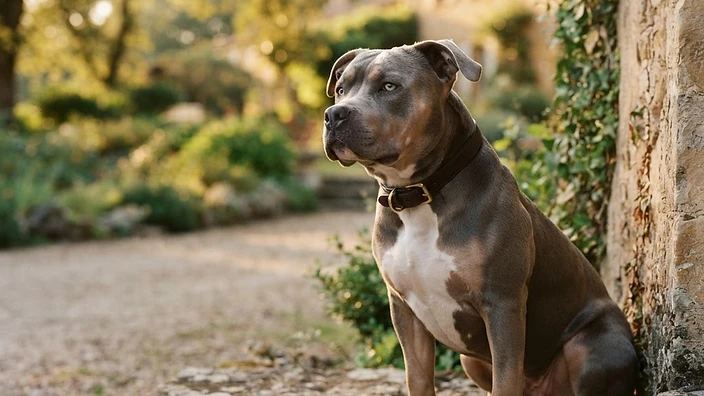
- Blue (dilute black): Produced by the dd dilution gene (MLPH gene); results in a gray-blue coat
- Chocolate (brown): Produced by the bb combination at the B locus (TYRP1 gene)
- Lilac: Rare double-dilute — both blue and chocolate dilution (bbdd); produces a pale grayish-purple coat
- Red/Fawn: Phaeomelanin-based colors; ranges from deep red to cream
- Buckskin: Fawn base with black or blue points
Pattern Genetics
- Tri-color: Three-color pattern (typically tan points plus a base color); produced by the at allele at the A locus (agouti). Tri-color Bullies have become highly sought-after.
- Merle: Produced by the M locus (PMEL gene); creates a mottled, irregular pattern. Merle is not accepted by the ABKC in conformation — however, it is registered and common in the broader community.
- Brindle: Dark striping over a lighter base; an ancient pattern common across bully breeds
- Piebald (Pied): White spotting produced by the SP allele at the S locus
- Ghost tri: A subtle, diluted tri-color pattern often appearing washed-out
Notable Color Combinations in Our Program
At American Bully Haven Pups, we're proud to produce some of the most visually striking color combinations in the breed. Meet a few of our current puppies:
- Diesel — Chocolate Tri Male American Bully puppy: A rich chocolate base with classic tan-point tri patterning
- Atlas — Lilac Tri-Color Male American Bully puppy: A stunning double-dilute lilac with tri-color points
- Bowie — Blue Tri Male American Bully puppy: A blue-dilute tri with exceptional structure
- Hazel — Merle Female American Bully puppy: A beautifully patterned merle female with soft, expressive eyes
- Ella — Lilac Tri Female American Bully puppy: A rare lilac tri female with excellent conformation
A Note on Merle Health
Merle is a striking pattern, but it carries genetic risks when bred irresponsibly. Double merle (MM genotype) dogs — produced by breeding two merle parents — face a high probability of blindness, deafness, and other neurological deficits. Responsible breeders always DNA test both parents before merle-to-merle pairings are even considered. At our program, all breeding dogs are color-tested through an accredited canine genetics laboratory.
Influential Bloodlines That Shaped the Breed
Understanding American Bully bloodlines gives you insight into structure, temperament tendencies, and breeder philosophy. The following bloodlines are among the most significant in breed history.
Razor's Edge
Founded by Dave Wilson in the early 1990s, Razor's Edge is arguably the single most influential bloodline in the breed's origin. Razor's Edge dogs were known for their wide, blocky heads, heavy bone, and extremely docile temperaments. Nearly every American Bully alive today carries Razor's Edge genetics.
Gotti (Gottiline)
Developed by Richard Barajas around the dog Juan Gotty (Grey Line's Juan Gotty), the Gottiline bloodline produced dogs with extreme width, heavy musculature, and very low-set builds. Gottiline genetics heavily influenced the Pocket and Extreme varieties.
Kurupt Bloodline
The Kurupt line, associated with Mike Wallander, produced some of the most extreme, heavily muscled dogs in the breed — particularly influential in the XL variety. Known for producing short-coupled, wide, powerful animals.
Miagi Bloodline
Miagi dogs are known for exceptional head structure, wide front ends, and good overall balance. This line remains popular among show-focused breeders.
Dax Bloodline
The Dax line contributed athletic build and soundness — important in an era when some extreme breeding programs were beginning to compromise structural integrity.
Remyline
Founded around the dog Remy Martin, the Remyline bloodline became iconic for producing large-framed, photogenic Bullies with excellent proportions. Remyline dogs are commonly seen in XL programs.
Registration Bodies: ABKC vs. UKC
Two primary organizations register American Bullies in the United States, and understanding the difference matters.
American Bully Kennel Club (ABKC)
Founded in 2004, the ABKC is the breed's original and primary registry. The ABKC:
- Maintains the breed standard and all four size variety definitions
- Sanctions conformation shows across the United States and internationally
- Issues pedigrees and litter registration
- Requires health documentation for registration in some programs
- Promotes responsible breeding through its breeder code of ethics
United Kennel Club (UKC)
The UKC recognized the American Bully in 2013, providing a second major registry. The UKC:
- Operates under a slightly different conformation standard
- Organizes its own show circuit
- Accepts ABKC-registered dogs for dual registration
- Is well-respected globally and adds prestige to pedigrees
AKC Recognition
The American Kennel Club (AKC) does not currently recognize the American Bully as a distinct breed. This is a notable gap — one the breed community continues to advocate for.
Health Testing: OFA and Beyond
Regardless of registry, ethical breeders health-test their breeding dogs. The Orthopedic Foundation for Animals (OFA) provides evaluations for:
- Hip dysplasia (OFA Hip rating)
- Elbow dysplasia
- Cardiac evaluation (by a board-certified cardiologist)
- Eye certification (CAER exam)
American Bullies are also screened for brachycephalic obstructive airway syndrome (BOAS) in dogs with shorter muzzles, hypothyroidism, and hereditary cerebellar ataxia in some lines. Always ask your breeder for health certificates before committing to a puppy. Learn more about our breeding program and our health testing protocols.
American Bully vs. Related Breeds
One of the most persistent sources of confusion is how the American Bully differs from related bully-type breeds. Here's a clear comparison:
| Feature | American Bully | American Pit Bull Terrier | American Staffordshire Terrier | English Bulldog | |---------|---------------|--------------------------|-------------------------------|----------------| | Primary purpose | Companion | Working/companion | Show/companion | Companion | | Build | Heavy, wide, blocky | Athletic, moderate | Athletic, moderate | Heavy, low | | Temperament | Gentle, human-focused | Energetic, confident | Loyal, stable | Docile, stubborn | | Height (male) | 17–23 in (varies) | 18–21 in | 17–19 in | 14–15 in | | Energy level | Moderate | High | Moderate-high | Low | | ABKC registered | Yes | No | No | No | | Common health concerns | Hip dysplasia, BOAS | Hip dysplasia | Hip dysplasia, cerebellar ataxia | BOAS, cardiac |
The most important distinction: the American Bully is not an American Pit Bull Terrier. They share ancestry, but the American Bully has been selectively bred away from prey-drive and dog-aggression traits toward maximum human affinity. Lumping them together is both inaccurate and unfair to both breeds.
Key Takeaways
- The American Bully was developed in the late 1980s–1990s as a purpose-built companion breed from APBT, AmStaff, English Bulldog, and other foundation stock
- Four ABKC-recognized varieties exist: Pocket, Standard, Classic, and XL — differentiated by height, not just weight
- The breed's defining trait is its human-oriented, gentle temperament; aggression toward humans is a disqualifying fault under ABKC standard
- Coat colors include black, blue, chocolate, lilac, fawn, red, tri-color, merle, brindle, and piebald — with rich color genetics driven by the A, B, D, M, and S loci
- Foundational bloodlines include Razor's Edge, Gottiline, Kurupt, Miagi, Dax, and Remyline
- The breed is registered by the ABKC (2004) and UKC (2013); not currently AKC-recognized
- Health testing through OFA for hips, elbows, cardiac, and eyes is a hallmark of ethical breeding
- The American Bully is distinct from the American Pit Bull Terrier in purpose, build, and temperament
Frequently Asked Questions
Is the American Bully a dangerous breed?
No — and this is one of the most important misconceptions to correct. The American Bully was specifically bred to reduce the drives that can make some working terrier breeds challenging, particularly prey drive and inter-dog aggression. The ABKC breed standard explicitly disqualifies dogs that show aggression toward humans. Well-bred, properly socialized American Bullies consistently rank among the most people-friendly, gentle dogs of any breed. That said, any dog — regardless of breed — benefits from proper socialization, training, and responsible ownership. See our Complete American Bully Training Guide for guidance.
How much does an American Bully puppy cost?
Prices vary significantly based on bloodline, color, variety, and breeder reputation. Pet-quality Pocket or Standard Bullies from health-tested, registered parents typically start around $2,000–$4,000. Rare color combinations (lilac tri, merle, ghost tri) from champion bloodlines can range from $5,000 to $15,000 or more. XL Bullies from top programs often command $4,000–$8,000. Always prioritize health testing and ethical breeding practices over price. Our American Bully Price Guide 2026 breaks down exactly what drives pricing.
What is the lifespan of an American Bully?
A healthy, well-cared-for American Bully typically lives 10–13 years. Pocket and Standard varieties tend to have slightly longer lifespans than XL Bullies, which — like most large and giant breeds — can be more susceptible to orthopedic and cardiac issues. Factors that most influence longevity include genetic health testing of the parents, appropriate nutrition, weight management, and regular veterinary care. For a comprehensive health and longevity plan, visit our Complete American Bully Care Guide.
Are American Bullies good with children?
Absolutely — they are widely considered one of the best family breeds available. Their patient, tolerant temperament, combined with their love of physical play and cuddles, makes them naturals with children of all ages. As with any dog, we recommend supervised interaction with very young children and teaching children to interact respectfully with dogs. The American Bully's low reactivity and high pain tolerance make them forgiving of the unpredictable behavior young children sometimes exhibit.
What's the difference between a Pocket Bully and a Micro Bully?
The Pocket Bully is an officially recognized ABKC variety with defined height standards. The "Micro Bully" or "Nano Bully" is not an ABKC-recognized variety — it refers to extremely small dogs produced by breeding the smallest Pocket Bullies together. While these dogs are visually striking, the extreme breeding can compromise structural soundness and health. Some Micro Bullies suffer from compromised airways, joint issues, and shortened lifespans. Always ask breeders about health testing if considering a Micro or Nano Bully.
Do American Bullies require a lot of exercise?
American Bullies have moderate exercise needs — more than a Bulldog, less than a working breed like a Border Collie. A 30–45 minute walk plus play sessions per day is generally sufficient for Standard and Classic varieties. Pocket Bullies can be satisfied with slightly less structured exercise, while XL Bullies benefit from daily walks to maintain healthy joint function and weight. Due to their brachycephalic tendencies, avoid intense exercise in hot, humid weather. For a complete nutrition and fitness approach, see our Complete American Bully Nutrition Guide.
Your Next Step: Find Your American Bully
If you've read this far, you already know the American Bully is no ordinary breed. These dogs are the product of decades of intentional, thoughtful breeding — animals engineered not for war or work but for love. They are gentle with children, devoted to their families, visually breathtaking, and among the most emotionally intelligent dogs we've ever had the privilege of raising.
At American Bully Haven Pups in Austin, Texas, every puppy we produce is ABKC- and UKC-registered, health-tested through OFA-approved protocols, raised in a home environment, and placed only with families we trust. We don't cut corners, and we don't produce puppies for volume — we produce them for legacy.
Explore our available American Bully puppies, read through our adoption guide, or simply contact us to start a conversation. We'd love to help you find the dog that will change your life.