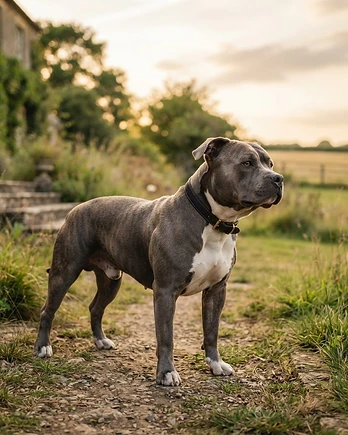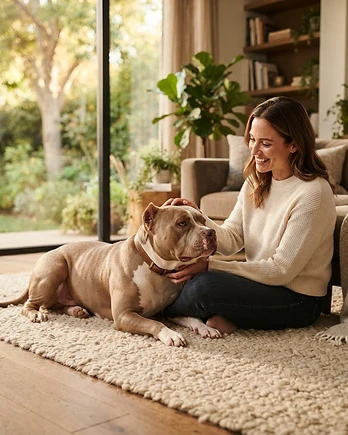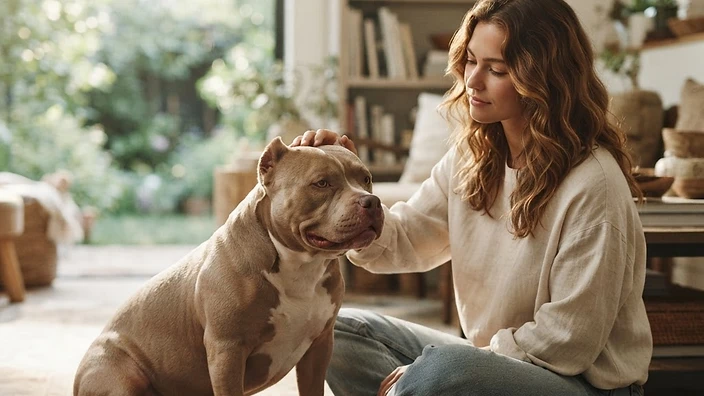
Bringing an American Bully into your home is one of the most rewarding decisions you'll ever make. These dogs are more than a breed — they're a lifestyle, a commitment, and ultimately, a family member who will reward every ounce of care you invest with unconditional loyalty and love. Whether you're welcoming a blocky-headed puppy for the first time or you've had Bullies your whole life, having a single, authoritative reference for every stage of your dog's life is invaluable.
At American Bully Haven Pups in Austin, Texas, we've spent years refining our care practices across Standard, Pocket, Classic, and XL American Bully varieties — all registered with the American Bully Kennel Club (ABKC) and the United Kennel Club (UKC). What we've learned from whelping litters, raising dogs through puppyhood, adolescence, adulthood, and into their senior years is captured in this guide. This is the most comprehensive American Bully care resource we know of, and we update it continuously as veterinary science and breed-specific knowledge evolve.
This pillar article serves as the hub for our entire Care category. Throughout, you'll find links to deep-dive cluster articles on specific topics — nutrition, grooming, training, health screening, and more. Think of this as your table of contents for a lifetime of excellent care. Let's start at the beginning.
Understanding the American Bully: A Care-Focused Overview
Before diving into routines and protocols, it helps to understand what makes the American Bully unique from a care perspective. Developed in the 1980s and 1990s primarily from the American Pit Bull Terrier and American Staffordshire Terrier — with contributions from breeds like the English Bulldog and Staffordshire Bull Terrier — the American Bully was bred specifically for a stable, human-friendly temperament combined with a compact, muscular build.
The four ABKC-recognized size classes have meaningfully different care profiles:
| Class | Height at Withers | Typical Adult Weight | Key Care Notes | |---|---|---|---| | Pocket | Under 17" (male), under 16" (female) | 30–50 lbs | Higher energy-to-size ratio; prone to overheating | | Standard | 17–20" (male), 16–19" (female) | 55–80 lbs | Versatile; benchmark care profile | | Classic | Same height as Standard | 50–75 lbs | Lighter frame; slightly less joint stress | | XL | Over 20" (male), over 19" (female) | 80–150+ lbs | Joint health priority; heat sensitivity; higher caloric need |
Knowing your dog's class helps you calibrate every aspect of care, from portion sizes to exercise intensity. For a deeper look at the breed's history, structure, and temperament, see The Complete American Bully Breed Guide: Everything to Know.
The American Bully Puppy: Weeks 8–16
Setting Up a Safe Home Environment
When your puppy arrives home at 8 weeks, the world is enormous and overwhelming. Your first job is containment and comfort. Use an appropriately sized crate — for a Standard Bully puppy, a 36-inch crate works well through adolescence. Line it with a washable orthopedic pad rather than loose bedding that can be ingested.
Puppy-proof every room by securing electrical cords, removing toxic houseplants (azalea, sago palm, pothos, and philodendron are especially dangerous), and storing household chemicals in latched cabinets. Baby gates are invaluable for restricting access to stairs, which can cause growth plate injuries in dogs under 12 months.
Early Socialization: The Critical Window
The socialization window — roughly weeks 3 through 16 — is the most important developmental period in your Bully's life. Positive, varied exposure during this window shapes the dog's confidence and temperament for years. Introduce your puppy to:
- People: men, women, children, people wearing hats/glasses/uniforms
- Surfaces: grass, gravel, tile, metal grates, stairs
- Sounds: traffic, thunderstorms (use sound desensitization recordings), vacuum cleaners
- Animals: other dogs, cats, livestock if applicable
Aim for 3–5 new positive exposures per day during weeks 8–16. Keep sessions short (5–10 minutes), positive, and treat-reinforced. Avoid dog parks until your puppy's full vaccination protocol is complete, typically around 16 weeks.
Vaccination and Deworming Schedule
Your puppy should arrive with at least one round of DHPP (distemper, hepatitis, parvovirus, parainfluenza) vaccine completed by your breeder. The standard puppy series continues:
- 8 weeks: DHPP #1 (if not already done), fecal exam, deworming with fenbendazole
- 12 weeks: DHPP #2, Bordetella (kennel cough)
- 16 weeks: DHPP #3, Rabies (legally required in Texas at 12–16 weeks)
- 12–16 months: DHPP booster, Rabies 1-year booster, Leptospirosis if at risk
Ask your vet about Leptospirosis vaccination if your dog has outdoor access to standing water or wildlife — it's especially relevant in Central Texas.
Puppy Nutrition: Fueling Rapid Growth
American Bully puppies have significant protein and caloric demands to support their rapid musculoskeletal development. Feed a large-breed puppy formula with a minimum of 28–30% crude protein and 15–17% crude fat. AAFCO (Association of American Feed Control Officials) nutritional adequacy statements should confirm "growth" or "all life stages."
Feed three times daily (morning, midday, evening) from 8–12 weeks, then transition to twice daily at 12 weeks. Avoid free-feeding, which promotes obesity and makes house training harder. Measure every meal — consult your food's feeding chart and your vet's guidance based on your puppy's current weight and body condition score (BCS).


A young American Bully puppy eating from a stainless steel food bowl, demonstrating the importance of measured meal portions and structured feeding schedules during the critical 8–16 week developmental period to support healthy musculoskeletal growth.
Adolescence: 4–18 Months
Exercise Guidelines by Age
One of the most misunderstood aspects of American Bully care is exercise during puppyhood and adolescence. The growth plates — areas of cartilage at the ends of long bones — don't close until 12–18 months depending on the dog's size. Excessive high-impact exercise before closure can cause permanent joint damage.
A widely cited veterinary guideline is the 5-minute rule: 5 minutes of structured exercise per month of age, twice daily. So a 4-month-old puppy needs no more than 20 minutes of leash walking twice a day. Free play in a safely fenced yard is generally fine, as puppies self-regulate more naturally than they do during forced exercise.
Avoid until growth plates close (12–18 months):
- Repetitive jumping (off furniture, into vehicles)
- Long-distance running or jogging
- Agility obstacles with high-impact landings
- Rough play on concrete or hard surfaces
After 18 months, healthy adult Bullies can handle 45–60 minutes of vigorous exercise daily, split across two sessions.
Adolescent Behavior and Training
American Bullies typically hit adolescence between 6 and 18 months, characterized by selective hearing, increased stubbornness, and testing of boundaries. This is not aggression — it's normal developmental behavior. Consistency and positive reinforcement training are your best tools.
Enroll in a structured obedience class between 12 and 16 weeks (puppy kindergarten) and follow up with basic manners training at 6 months. Focus on:
- Sit, down, stay, come (recall)
- Leash manners and loose-leash walking
- "Leave it" and "drop it" for safety
- Crate settling and duration building
For a comprehensive training resource, visit our full resource library.
Adult American Bully Care: 18 Months to 7 Years
Daily Routine Framework
A structured daily routine reduces anxiety, supports digestive regularity, and builds the kind of calm confidence that defines a well-raised American Bully. Here's a sample daily routine for an adult Standard or Classic Bully:
- 6:30 AM: Morning potty break, 20–30 min leash walk or structured play
- 7:00 AM: Breakfast (measured, species-appropriate diet)
- 8:00 AM–12:00 PM: Crate rest or supervised free time indoors
- 12:00 PM: Midday potty break, 10–15 min mental enrichment (puzzle feeder, training)
- 5:30 PM: Evening exercise — 30–45 min brisk walk, fetch, or off-leash play
- 6:00 PM: Dinner
- 8:00–9:00 PM: Wind-down — light petting, chew enrichment
- 10:00 PM: Final potty break, crate or bed for the night
Grooming: The Complete Protocol
The American Bully's short, close-lying coat is often cited as low-maintenance — and it is, compared to double-coated or long-coated breeds. However, "low-maintenance" doesn't mean "no maintenance." A consistent grooming routine keeps your Bully's skin, coat, ears, nails, teeth, and facial folds in optimal condition.
Coat and Skin: Brush weekly with a rubber curry brush or hound glove to remove dead hair, distribute natural skin oils, and check for skin abnormalities. Bathe every 4–6 weeks using a gentle, pH-balanced canine shampoo (dogs have a skin pH of approximately 7.5, significantly higher than human skin). Over-bathing strips the coat of protective sebum. After bathing, dry thoroughly — dampness trapped in skin folds leads to bacterial and yeast dermatitis.
Facial Folds and Wrinkles: Bullies with prominent facial rope wrinkles — common in shorter-muzzled individuals and some Pocket Bullies — require daily cleaning. Use a fragrance-free baby wipe or veterinary fold wipe to remove moisture and debris from skin folds. Dry thoroughly. Signs of fold dermatitis include redness, odor, and discharge; consult your vet promptly.
Ears: Check ears weekly for redness, odor, and excess wax. Clean monthly with a veterinarian-approved ear cleaning solution and cotton balls. Never insert cotton swabs into the ear canal. American Bullies with rose ears (partially folded back) are less prone to ear infections than dogs with fully pendant ears, but infections still occur.
Nails: Trim every 2–3 weeks to maintain a nail length that doesn't contact the ground when standing. Long nails alter weight distribution across the paw and can contribute to joint stress — particularly important in a heavy, compact breed. Use a scissor-style or guillotine clipper and keep styptic powder on hand for the quick.
Dental Health: Periodontal disease affects an estimated 80% of dogs over three years of age. Brush your Bully's teeth daily with a dog-specific enzymatic toothpaste (never human toothpaste — xylitol is toxic to dogs). Supplement with dental chews carrying the Veterinary Oral Health Council (VOHC) seal of acceptance. Schedule professional dental cleanings as recommended by your vet, typically every 1–2 years.
For a complete, in-depth grooming walkthrough, read our dedicated grooming cluster article: The Complete American Bully Care Guide: Puppyhood to Senior Years.


An owner using a rubber curry brush on an American Bully's short coat, illustrating the weekly grooming routine that distributes skin oils, removes dead hair, and allows for early detection of skin abnormalities — a key component of the complete American Bully care protocol.
Nutrition for Adult Bullies
Transition your dog to an adult formula at 12–18 months. Adult American Bullies thrive on a diet containing 24–28% crude protein and 12–16% crude fat. Look for named animal proteins (chicken, beef, salmon) as the first ingredient, not "meat meal" or "by-product meal" as the primary source.
Raw feeding (BARF — Biologically Appropriate Raw Food) is popular in the Bully community and can produce excellent results in muscling and coat quality when properly balanced. If pursuing raw, work with a veterinary nutritionist to ensure correct calcium-to-phosphorus ratios (approximately 1.2:1 for adults), adequate taurine, and safe handling protocols to minimize zoonotic risk.
For detailed nutritional guidance tailored to American Bullies, see The Complete American Bully Care Guide: Puppyhood to Senior Years.
Health Screening and Preventive Care
Ethical breeding programs like ours conduct OFA (Orthopedic Foundation for Animals) health testing on all breeding dogs, including hip and elbow evaluations, cardiac evaluations by a board-certified cardiologist, and CAER (Companion Animal Eye Registry) ophthalmologic exams. When you adopt from a screened program, your puppy's genetic health risk is meaningfully lower — but that doesn't replace ongoing preventive care.
Annual wellness schedule for adult Bullies:
- Annual or biennial DHPP and Rabies boosters (per your vet's titer testing recommendations)
- Annual heartworm test and year-round heartworm preventive (essential in Texas)
- Flea and tick prevention — year-round in Central Texas due to mild winters
- Annual fecal exam for intestinal parasites
- Biannual full physical examination for dogs over 5 years
American Bullies are predisposed to certain conditions: hip dysplasia, elbow dysplasia, brachycephalic obstructive airway syndrome (BOAS) in shorter-muzzled individuals, hypothyroidism, cherry eye (prolapsed nictitating membrane gland), and skin allergies (atopic dermatitis). Knowing these predispositions allows you to monitor proactively. For deeper dives into health topics, read The Complete American Bully Care Guide: Puppyhood to Senior Years.
Home and Yard Safety
Indoor Safety
American Bullies are powerful chewers and curious investigators. Common household hazards include:
- Toxic foods: Grapes, raisins, xylitol (sugar-free gum, some peanut butters), chocolate, macadamia nuts, onions, garlic, and alcohol
- Medications: NSAIDs (ibuprofen, naproxen), acetaminophen, and antidepressants are acutely toxic to dogs
- Choking hazards: Children's toys, small rubber balls, rawhide chews that splinter
- Cords and cables: Electrical and window blind cords
Keep the ASPCA Animal Poison Control Center number (888-426-4435) saved in your phone.
Yard and Outdoor Safety
A securely fenced yard is non-negotiable for American Bullies. Fence height should be a minimum of 5–6 feet for Standard and XL dogs. Check for gaps at ground level — Bullies are surprisingly agile despite their bulk. Avoid invisible fences (e-collars) as the primary containment method; they don't prevent other animals from entering and can cause behavioral fallout.
Common yard hazards:
- Toxic plants: Sago palm (extremely dangerous), lantana, oleander, azalea, mushrooms
- Lawn chemicals: Herbicides, pesticides, and fertilizers — keep dogs off treated lawns for 24–72 hours after application
- Standing water: Leptospirosis risk; also a drowning risk for puppies
- Heat: American Bullies are brachycephalic-adjacent and heat-sensitive. In Austin's summers (100°F+ common July–September), limit outdoor time to early morning (before 9 AM) and evening (after 7 PM). Always provide fresh water and shade.
For a full breakdown of yard and home safety considerations, see The Complete American Bully Care Guide: Puppyhood to Senior Years.
Seasonal Care
Summer Heat Management (Critical in Texas)
Heat stroke is a life-threatening emergency. American Bullies, especially Pocket and shorter-muzzled individuals, are at elevated risk because their shortened nasal passages reduce their capacity for evaporative cooling. Signs of heat exhaustion include excessive panting, drooling, brick-red gums, lethargy, and vomiting. If you observe these signs, move your dog to air conditioning immediately, apply cool (not cold) water to the groin, armpits, and paw pads, and get to an emergency vet.
Preventive measures:
- Never leave your Bully in a parked car
- Walk on grass, not asphalt (pavement can exceed 150°F when air temperature is 90°F)
- Provide a kiddie pool for outdoor cooling
- Ensure constant access to fresh, cool water
Winter Care
American Bullies have single-layer, short coats with minimal insulating capacity. In temperatures below 45°F, provide a well-fitted dog coat or jacket for outdoor exercise. Indoor temperatures should remain above 65°F. Wipe paws after outdoor exposure to remove road salt and deicing chemicals, which cause paw pad irritation and are toxic if ingested.
Allergy Season Management
Skin allergies are one of the most common issues in American Bullies, often triggered by environmental allergens (grass, mold, dust mites) or food proteins (chicken, beef, wheat). Seasonal flare-ups typically present as paw licking, facial rubbing, and recurrent ear infections. Antihistamines, omega-3 fatty acid supplementation (fish oil at 20–55 mg EPA+DHA per pound of body weight daily), and veterinary-prescribed Cytopoint or Apoquel are effective management strategies.
For complete seasonal care guidance, read The Complete American Bully Care Guide: Puppyhood to Senior Years.
Traveling with Your American Bully
American Bullies are adaptable travelers when properly prepared. For road trips:
- Use a crash-tested crate or a vehicle-rated safety harness (Center for Pet Safety certified)
- Never allow your dog to ride with its head out the window — debris and wind can cause eye and ear injuries
- Plan rest stops every 2–3 hours for water, elimination, and brief walks
- Bring your dog's vaccination records and a copy of ABKC/UKC registration papers
For air travel, most major airlines prohibit bully breeds in cabin; cargo shipping is stressful and carries real risk. If air travel is necessary, work with your vet to assess suitability, especially for dogs with any degree of BOAS.
For hotel stays, confirm pet policies in advance. Research dog-friendly parks and trails at your destination — Austin itself has excellent options including Barton Springs and multiple off-leash preserves.
Get our complete travel protocol in The Complete American Bully Care Guide: Puppyhood to Senior Years.
Senior American Bully Care: 7+ Years
Most American Bullies transition to senior status around 7–8 years of age, with XL individuals sometimes earlier at 6–7. The senior years bring predictable physiological changes: reduced metabolic rate, decreased muscle mass (sarcopenia), reduced kidney and liver efficiency, and increased prevalence of osteoarthritis.
Nutritional Adjustments
Switch to a senior or weight management formula to account for lower caloric needs — typically a 20–30% caloric reduction from peak adult intake. Prioritize high biological value protein to counteract sarcopenia; aim for 28–32% protein in senior formulas. Supplement with:
- Omega-3 fatty acids (EPA/DHA): Anti-inflammatory, supports joint and cognitive health
- Glucosamine and chondroitin sulfate: Joint cartilage support; dose at approximately 500 mg glucosamine / 400 mg chondroitin per 25 lbs of body weight
- Probiotics: Support gut microbiome, especially beneficial after antibiotic courses
Exercise Modification
Senior Bullies still need daily movement — but intensity and duration should decrease. Two 15–20 minute gentle walks daily are better than one long session that leads to next-day stiffness. Swimming is an excellent low-impact exercise for seniors with joint issues. Watch for signs of exercise intolerance: lagging behind on walks, reluctance to rise, stiffness for more than 30 minutes after exercise.
Veterinary Care Escalation
Move to biannual wellness exams at age 7. Add senior bloodwork panels (CBC, comprehensive metabolic panel, urinalysis, thyroid T4) annually to catch organ function changes early. Dental health becomes even more critical — periodontal bacteria have been linked to systemic disease affecting the heart, kidneys, and liver.
For a complete senior care deep-dive, read The Complete American Bully Care Guide: Puppyhood to Senior Years.
Mental Enrichment and Emotional Wellbeing
An often-overlooked dimension of American Bully care is the mental and emotional side. These are highly social, people-oriented dogs who suffer genuinely from prolonged isolation. Research suggests dogs left alone more than 8 hours daily show measurable stress hormone (cortisol) elevation. Separation anxiety is common in the breed.
Build your Bully's mental resilience with:
- Food puzzle feeders (Kong, West Paw Toppl, snuffle mats) — 15 minutes of puzzle feeding has been shown to be as tiring as 30 minutes of physical exercise
- Scent work and nose games: Hide treats around the house; consider AKC Scent Work trials for the enthusiastic sniffer
- Structured training sessions: 5–10 minutes of trick training daily maintains cognitive sharpness across all life stages
- Canine companions: If your lifestyle supports it, a well-matched second dog provides social enrichment
For more on enrichment, training, and socialization, see The Complete American Bully Care Guide: Puppyhood to Senior Years.
Key Takeaways
- Socialization is everything — the window between 8 and 16 weeks shapes your dog's temperament for life. Use it intentionally.
- Protect growth plates — avoid high-impact exercise until 12–18 months to prevent lasting joint damage.
- Grooming is health care — weekly brushing, monthly nail trims, daily dental hygiene, and routine fold care prevent the majority of common skin and dental issues.
- Know your size class — Pocket, Standard, Classic, and XL Bullies have meaningfully different caloric, exercise, and health monitoring needs.
- Heat is the #1 environmental risk in Texas — never underestimate it, especially for shorter-muzzled Bullies.
- OFA health testing in breeding stock dramatically reduces your puppy's risk of heritable conditions like hip dysplasia and cardiac disease.
- Senior care starts at 7 — biannual vet visits, dietary adjustment, joint support, and exercise modification extend both lifespan and quality of life.
- Mental health matters — daily enrichment, consistent routine, and human connection are as important as physical care.
Frequently Asked Questions
How much exercise does an American Bully need daily?
Adult American Bullies (18 months and older) need approximately 45–60 minutes of moderate to vigorous exercise daily, ideally split into two sessions. This can include brisk leash walks, fetch, structured play, or off-leash yard time. Pocket Bullies tend to be higher-energy relative to their size and benefit from more frequent shorter sessions. XL Bullies require adequate exercise to maintain healthy body weight but should avoid prolonged high-impact activity to protect joints. Puppies under 18 months should follow the 5-minutes-per-month-of-age guideline to protect developing growth plates.
Are American Bullies good apartment dogs?
Yes — with adequate daily exercise and mental enrichment, American Bullies adapt well to apartment living. They are not high-endurance working dogs; they enjoy bursts of activity followed by long periods of calm relaxation. The key is ensuring two structured exercise sessions daily, providing food enrichment to prevent boredom, and establishing a consistent potty schedule. Breed restrictions in apartment leases remain a real concern; always verify your building's pet policy before bringing any Bully-type breed home.
How do I know if my American Bully is overweight?
Use a body condition score (BCS) chart scaled from 1–9, targeting a score of 4–5. At a healthy weight, you should be able to feel (but not see) your Bully's ribs with light pressure. There should be a visible waist when viewed from above and a slight abdominal tuck when viewed from the side. Obesity is epidemic in the breed and dramatically accelerates joint degeneration, heart stress, and metabolic disease. If your dog scores above 6 on a BCS chart, consult your veterinarian for a structured weight loss plan.
What health problems are American Bullies prone to?
The most common health concerns include hip and elbow dysplasia (especially in XL individuals), brachycephalic obstructive airway syndrome (BOAS) in shorter-muzzled dogs, cherry eye (prolapsed nictitating gland), atopic dermatitis (environmental and food allergies), hypothyroidism, and congenital heart defects including pulmonic stenosis. Responsible breeders use OFA hip and elbow radiographic evaluation, CAER eye exams, and cardiac auscultation by a board-certified cardiologist to screen breeding stock. Choosing a health-tested puppy from a reputable program like ours substantially reduces — though does not eliminate — these risks.
How often should I bathe my American Bully?
Every 4–6 weeks is ideal for most American Bullies. Bathing more frequently than every 3–4 weeks strips the coat's natural sebum, potentially triggering dry, flaky skin or compensatory over-production of skin oils. Dogs with active skin conditions, allergies, or skin fold dermatitis may require medicated baths more frequently under veterinary guidance. Always use a pH-balanced canine shampoo and dry thoroughly — especially in skin folds and between toes — to prevent moisture-driven bacterial and yeast infections.
At what age is an American Bully fully grown?
American Bullies typically reach their full height between 12 and 18 months of age. However, muscular fill and chest development continue until 2–3 years in Standard and XL classes. Growth plate closure generally occurs between 12 months (smaller Pocket individuals) and 18–20 months (larger XL dogs). Until growth plates close, high-impact and repetitive-stress exercise should be minimized. Nutritionally, most dogs should remain on a puppy or large-breed puppy formula until 12–18 months, then transition to an adult maintenance formula.
Ready to Begin Your American Bully Journey?
The knowledge in this guide is something we wish every American Bully owner had from day one. A well-cared-for Bully is a joy — calm, confident, deeply bonded, and physically thriving. The investment you make in daily routines, preventive health care, proper nutrition, and genuine enrichment pays dividends across a 10–13 year lifespan.
If you're considering adding an American Bully to your family, we'd love to help you find the right match. Browse our available American Bully puppies — including gorgeous individuals like Diesel — Chocolate Tri Male American Bully puppy, Atlas — Lilac Tri-Color Male American Bully puppy, Bowie — Blue Tri Male American Bully puppy, Hazel — Merle Female American Bully puppy, and Ella — Lilac Tri Female American Bully puppy. Every puppy we place comes with health testing documentation, ABKC/UKC registration, and lifetime breeder support.
Read our adoption guide to understand our placement process, or learn more about our breeding program and the standards we hold ourselves to. When you're ready, contact us — we're always happy to talk Bullies.