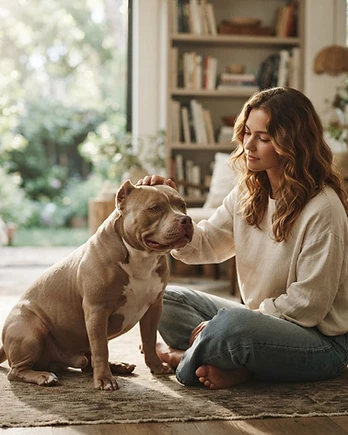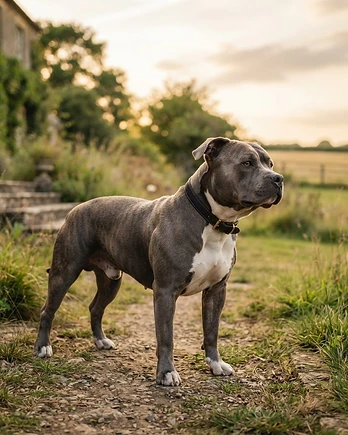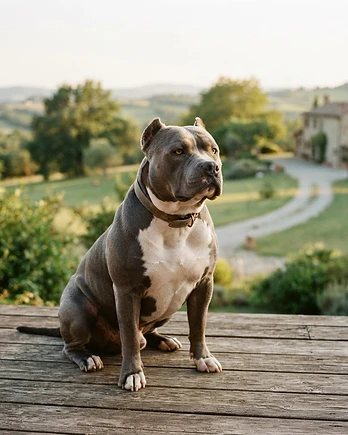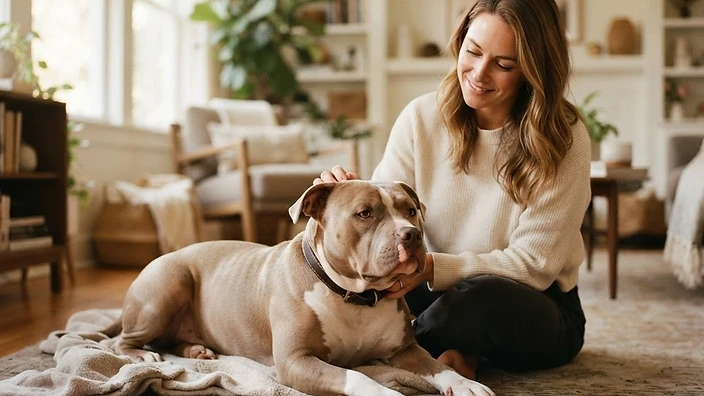
Bringing an American Bully into your home is one of the most rewarding decisions you'll ever make. These dogs — blocky, muscular, deeply loyal, and surprisingly gentle — are built for companionship. They thrive on routine, love structure, and give back tenfold everything you invest in them. But thriving doesn't happen by accident. It happens because an informed owner shows up every single day with the right knowledge.
This guide is the most comprehensive American Bully care resource we've written at American Bully Haven Pups. Whether you're preparing for your first bully puppy or you've had bullies for years and want to tighten your wellness routine, you'll find everything here — from puppy-proofing your Austin home to senior joint support, from grooming a short coat correctly to navigating Texas heat safely. We've structured it as a true cradle-to-golden-years reference, so bookmark it and return to it as your dog grows.
If you're still learning about the breed itself before diving into care, start with The Complete American Bully Breed Guide: Everything You Need to Know — it covers conformation, size classes (Pocket, Standard, Classic, XL), temperament, and ABKC/UKC registration standards in full. Ready to dive into care? Let's go.
Key Takeaways
- American Bullies need structured daily routines from puppyhood; consistency reduces anxiety and behavioral problems.
- Exercise must be age-appropriate — over-exercising puppies under 12 months risks growth plate injury.
- Short coats require less grooming than many breeds but still need weekly attention, regular nail trims, and consistent ear and skin fold care.
- High-quality nutrition with 24–28% crude protein and named meat as the first ingredient supports muscle mass and coat health.
- Brachycephalic-adjacent anatomy (wide chest, shorter muzzle in some lines) makes heat management critical — especially in Texas summers.
- Preventive veterinary care, OFA health testing awareness, and proactive joint supplementation are the pillars of a long, healthy life.
- Senior American Bullies (7+ years) need adjusted exercise, enhanced joint support, and more frequent vet check-ins.
- Socialization windows close — prioritize exposure between 3 and 16 weeks for puppies.
Setting Up for Success: Environment and Home Safety
Puppy-Proofing Your Home
Before your puppy arrives, walk every room at floor level. American Bully puppies are curious, mouthy, and low to the ground. Electrical cords should be bundled and covered. Toxic houseplants — including sago palm, pothos, and oleander (common in Austin landscaping) — must be removed or placed completely out of reach. Cabinet locks are essential; cleaning products, medications, and even xylitol-containing foods (peanut butter, gum) are serious hazards.
American Bully puppies are compact but powerful. Baby gates work well for blocking stairs until the puppy has full coordination, typically around 16–20 weeks. Crate training from day one is strongly recommended — a 36" to 42" wire or plastic crate gives your puppy a safe den space and supports housetraining, which most American Bully puppies begin to reliably grasp between 12 and 16 weeks with consistent effort.
Yard and Outdoor Safety
American Bullies are not escape artists by temperament, but a sturdy fence — minimum 5 feet, ideally 6 feet — prevents wandering and protects them from off-leash dogs entering your yard. Check for gaps at ground level; a determined puppy can squeeze through surprisingly small spaces.
In Texas, yard safety includes more than fencing. Inspect for fire ant mounds regularly — fire ant bites can trigger allergic reactions in dogs, and bullies' wide, low-to-the-ground bodies mean belly exposure. Keep all pesticides, herbicides, and lawn fertilizers stored securely, and allow treated grass to dry completely (typically 24–48 hours) before allowing access. A shaded, water-accessible outdoor area is non-negotiable during Central Texas summers, when ground temperatures on paved surfaces can exceed 150°F.
The Daily Routine: Structure Your Bully's Day
American Bullies are routine-oriented dogs. A predictable daily schedule reduces anxiety, supports digestion, reinforces training, and strengthens your bond. Here's a framework that works well across age groups:
Morning (7–8 AM): Potty outing, fresh water refresh, morning feeding, brief training session (5–10 minutes). Midday (12–1 PM): Exercise or play session (duration varies by age — see below), brief rest, potty outing. Afternoon (4–5 PM): Second feeding (for puppies and adults on twice-daily schedules), enrichment activity, socialization or neighborhood walk. Evening (7–9 PM): Calm bonding time, final potty outing, crate or bed routine.
Consistency with feeding times also regulates digestion and helps you spot problems — a dog who normally eats enthusiastically and skips a meal is a dog worth watching.
Exercise by Age: The Right Amount at Every Stage
This is one of the most misunderstood areas of American Bully ownership. The breed looks like an athlete, and it is — but pushing exercise too hard too early causes real, lasting damage.
Puppies (8 Weeks – 12 Months)
American Bully puppies have open growth plates — the soft cartilaginous areas near the ends of long bones — until approximately 12 to 18 months, depending on the size class. Pocket Bullies may close earlier; XL Bullies may not fully close until 18 months. Repetitive, high-impact exercise (running on hard surfaces, jumping, forced distance walks) before growth plate closure risks permanent skeletal damage.
The commonly cited guideline is 5 minutes of structured exercise per month of age, twice daily. An 8-week-old puppy needs only 10 minutes of active play twice a day. A 6-month-old needs about 30 minutes twice daily. Free play on soft surfaces (grass, carpet) is generally safe and self-regulating. Avoid repetitive stair climbing, jumping on/off furniture, and jogging until at least 12 months.
Adolescents and Adults (1–6 Years)
Mature American Bullies need 45–60 minutes of daily exercise split across two sessions. This can include brisk leash walks, off-leash yard play, structured fetch, treadmill work (a favorite in bully conditioning circles), or weight pull training for dogs registered and conditioned for that sport. Mental exercise — puzzle feeders, nose work, obedience training — is equally important and prevents the boredom that leads to destructive behavior.
Senior Bullies (7+ Years)
Reduce high-impact exercise and replace long runs with shorter, more frequent gentle walks. Swimming is an outstanding low-impact option for seniors with joint stiffness. Watch for signs of fatigue, lameness, or reluctance to rise — these may signal hip dysplasia, elbow dysplasia, or degenerative joint disease, conditions with known prevalence in heavily muscled brachymorphic breeds.


A young American Bully puppy engages in supervised play on a grassy lawn, representing the safe, low-impact exercise recommended for dogs under 12 months to protect open growth plates and support healthy skeletal development.
Nutrition: Fueling the American Bully Physique
Macronutrient Targets
American Bullies are a high-muscle-mass breed. Their nutritional requirements reflect this. Look for foods meeting AAFCO (Association of American Feed Control Officials) nutritional adequacy statements for "all life stages" or "adult maintenance." Key targets:
- Crude protein: 24–28% for adults, 28–32% for puppies and active adults building muscle
- Fat: 14–18% for adults; fat is the primary energy source and supports coat health
- Omega-3 fatty acids (EPA/DHA): From fish oil or flaxseed; critical for skin, coat, and joint health
- Calcium-to-phosphorus ratio: 1.2:1 to 1.4:1, especially important in puppies to support bone development
Always look for a named meat protein (chicken, beef, salmon, turkey) as the first ingredient. Avoid foods with corn syrup, artificial preservatives (BHA, BHT, ethoxyquin), or excessive fillers as primary ingredients.
Feeding by Life Stage
| Life Stage | Meals/Day | Approximate Daily Caloric Need | |---|---|---| | Puppy (8–16 weeks) | 3–4 | 800–1,200 kcal | | Puppy (4–12 months) | 2–3 | 1,200–1,800 kcal | | Adult (1–6 years) | 2 | 1,400–2,200 kcal | | Senior (7+ years) | 2 | 1,100–1,600 kcal |
Caloric needs vary by activity level, spay/neuter status, and individual metabolism. American Bullies can be prone to obesity, especially after spay/neuter, which reduces metabolic rate by approximately 20–30%. Monitor body condition score (BCS) monthly — you should feel ribs with light pressure but not see them.
Raw, Kibble, or Fresh Food?
All three can support a healthy American Bully when correctly formulated. Raw diets (BARF — Biologically Appropriate Raw Food, or prey model) offer high bioavailability and digestibility but require careful attention to pathogen risk, calcium/phosphorus balance, and completeness. High-quality kibble is the most convenient and consistent option. Fresh cooked foods (brands like Farmer's Dog, Ollie) offer palatability and digestibility advantages. We recommend discussing any diet change with your veterinarian, particularly for puppies whose nutritional needs are the most precise.
Grooming: Short Coat, Serious Routine
Coat Care
The American Bully's short, close-lying coat sheds moderately year-round with heavier shedding seasons in spring and fall. A weekly brushing with a rubber curry brush or bristle brush removes dead coat, stimulates natural oil distribution, and keeps shedding manageable. Bathing every 4–6 weeks with a pH-balanced canine shampoo prevents skin dryness without stripping protective oils. Over-bathing is a common mistake — more than once every two weeks disrupts the skin's microbiome and can trigger dry, flaky skin or secondary bacterial dermatitis.
Skin Fold Care
Many American Bullies — particularly those with prominent head and facial structure — have skin folds around the muzzle, nose rope, and sometimes the tail base. These folds trap moisture and debris, creating ideal conditions for bacterial or yeast overgrowth (skin fold dermatitis, or intertrigo). Clean folds two to three times per week with a fragrance-free, alcohol-free pet wipe or a slightly damp cloth, then dry thoroughly. If you notice redness, odor, or discharge, contact your veterinarian — early intervention prevents chronic infections.
Nails, Ears, and Teeth
- Nails: Trim every 2–3 weeks. Overgrown nails alter gait and place stress on joints. Use a guillotine or scissor-style trimmer and avoid cutting the quick (visible as a pink line in light-colored nails). If your dog has black nails, cut in small increments.
- Ears: Check weekly for redness, odor, or dark discharge. Clean monthly or as needed with a veterinarian-recommended ear cleanser. American Bullies' rose or button ears don't trap as much moisture as pendulous ears, but regular checks catch early infections.
- Teeth: Dental disease affects an estimated 80% of dogs by age 3. Brush your American Bully's teeth 3–5 times per week using enzymatic dog toothpaste. Supplement with VOHC (Veterinary Oral Health Council)-approved dental chews. Annual professional dental cleanings under anesthesia may be recommended from age 2–3 onward.

An owner carefully grooms an American Bully, attending to the short coat, skin folds, and ears — key elements of the breed's routine care that prevent dermatitis, infections, and dental disease when performed regularly.
Health and Preventive Veterinary Care
Core Vaccination Schedule
Follow AAHA (American Animal Hospital Association) guidelines for core vaccines:
- DA2PP (Distemper, Adenovirus, Parvovirus, Parainfluenza): Puppy series at 8, 12, and 16 weeks; booster at 1 year; then every 3 years
- Rabies: First dose at 12–16 weeks; booster at 1 year; then per local law (annually or triennially in Texas)
- Bordetella (kennel cough): Recommended if your dog visits dog parks, boarding, or grooming facilities
- Leptospirosis: Recommended in Central Texas given wildlife exposure risk
Parasite Prevention
Texas is a year-round heartworm, flea, and tick environment. Heartworm disease (caused by Dirofilaria immitis, transmitted by mosquitoes) is preventable with monthly oral or topical preventives (ivermectin-based, milbemycin, or moxidectin products). Annual heartworm testing is required before most preventives can be prescribed. Flea and tick prevention is equally year-round — isoxazoline-class products (fluralaner, afoxolaner, sarolaner) offer excellent tick kill rates and are generally well-tolerated in healthy American Bullies.
OFA Health Testing and Genetic Health Awareness
Ethical American Bully breeders registered with the ABKC and UKC health-test their breeding dogs through the Orthopedic Foundation for Animals (OFA). Key evaluations include:
- Hip dysplasia (OFA radiographic grading: Excellent, Good, Fair, Borderline, Mild, Moderate, Severe)
- Elbow dysplasia (OFA elbow grading)
- Congenital cardiac evaluation (OFA cardiac registry)
- Eye examination (OFA CAER/CERF registry)
- L2-HGA and Hyperuricosuria genetic testing (relevant to some Bully lineages)
When you purchase from a health-tested breeder, you're starting with the best possible genetic foundation. That said, even well-bred dogs can develop orthopedic or cardiac issues — annual veterinary wellness exams are your early detection system. Learn more about our breeding program and how we prioritize health testing in every pairing.
Joint Health and Supplementation
Given their muscle mass and body structure, American Bullies place significant load on hips, elbows, and stifles. Proactive joint supplementation from 12–18 months onward is widely recommended by veterinary professionals:
- Glucosamine HCl (500–1000 mg/day for adults): Supports cartilage matrix synthesis
- Chondroitin sulfate (400–800 mg/day): Inhibits cartilage-degrading enzymes
- Omega-3 fatty acids (EPA/DHA from fish oil): Reduces synovial inflammation
- UC-II (undenatured type II collagen): Emerging evidence supports superior efficacy vs. traditional glucosamine/chondroitin in some studies
Socialization and Training: The Foundation Years
The socialization window — the period during which new experiences are absorbed with minimal fear response — runs from approximately 3 to 16 weeks in puppies. What your puppy experiences (or doesn't experience) during this window shapes behavior for life. Expose your puppy to different people, surfaces, sounds, vehicles, children, and other animals early and positively. Keep experiences brief, positive, and never overwhelming.
American Bullies are highly trainable. They respond exceptionally well to positive reinforcement (marker training, clicker training, reward-based methods) and poorly to harsh corrections, which can damage trust and trigger defensive responses. Basic obedience — sit, down, stay, come, leash manners — should begin the week your puppy comes home. Puppy classes, starting after the second vaccine round, build both skills and socialization simultaneously.
For a deeper dive into breed temperament and trainability, read The Complete American Bully Breed Guide: Everything You Need to Know.
Seasonal Care: Living in Central Texas
Summer Heat Management
Austin summers are brutal — July and August regularly see sustained temperatures above 100°F. American Bullies, particularly those with shorter muzzles, are at elevated risk for heat stroke (hyperthermia) because their airways are less efficient at dissipating heat through panting. Heat stroke is a veterinary emergency: body temperature above 104°F causes cellular damage; above 107°F is rapidly fatal.
Summer protocols:
- Walk only in early morning (before 8 AM) or after sunset
- Provide constant access to shade and fresh water outdoors
- Never leave in a parked vehicle — interior temperatures rise 20°F within 10 minutes
- Watch for early heat stress signs: excessive drooling, bright red gums, uncoordinated gait, collapse
- Keep a cooling mat and frozen Kongs available for indoor enrichment on extreme heat days
Winter and Wet Weather
While Austin winters are mild, temperatures do drop, and American Bullies' short coats offer minimal insulation below 45°F. Dogs spending time outdoors in cold weather benefit from a well-fitting dog coat or sweater. Wet weather increases mud exposure and the risk of environmental allergies flaring. Wipe paws thoroughly after outdoor walks — this also removes potential contact allergens (grass pollen, mold) and prevents ice-melt chemicals from being ingested during grooming.
Travel and Boarding
Traveling with Your American Bully
American Bullies are good travelers when properly conditioned. Crate training makes vehicle travel safer — an unrestrained 70-pound dog in a collision becomes a serious projectile. Crash-tested travel crates (brands like Gunner or Ruffland) or FMVSS-tested seat belt harnesses (Center for Pet Safety certified) are the safest options.
For air travel, note that most major airlines prohibit bully-type breeds in cabin or cargo due to breed bans or brachycephalic respiratory risk policies — research your specific airline thoroughly before booking. Ground travel or pet transport services are safer and less stressful.
Boarding and Daycare
Choose facilities that separate dogs by size, require up-to-date vaccination records (including Bordetella and Leptospirosis), and have staff trained in bully breed behavior and body language. Visit the facility before booking. American Bullies can be dog-selective, particularly with same-sex adult dogs, so communicate your dog's history clearly.
The Senior American Bully: Care After Age 7
The average American Bully lifespan is 10–13 years, with Pocket Bullies often trending toward the longer end and XL Bullies sometimes shorter due to the cardiovascular demands of greater body mass. Senior status begins around 7 years.
Senior-specific care adjustments:
- Bi-annual veterinary wellness exams rather than annual, including senior bloodwork panel (CBC, comprehensive metabolic panel, thyroid) and urinalysis
- Transition to senior-formula food with reduced caloric density and enhanced joint support ingredients, or continue adult food with veterinary guidance
- Orthopedic bedding: Memory foam or orthopedic dog beds reduce pressure on aging joints; elevated beds ease the mechanics of lying down and rising
- Cognitive enrichment: Canine cognitive dysfunction (doggy dementia) is underdiagnosed; keep senior bullies mentally active with puzzle feeders, nose work, and gentle training games
- Monitor for common senior conditions: Hypothyroidism, lipomas (benign fatty tumors common in the breed), cataracts, and heart murmurs all increase in prevalence after age 7
For comprehensive cluster resources covering specific senior care topics, explore our full resource library.
Addressing Common Misconceptions
"American Bullies are aggressive dogs." This is one of the most persistent and least accurate myths about the breed. The ABKC breed standard explicitly disqualifies dogs showing human aggression. American Bullies were selectively bred away from dog-fighting lineages specifically to create stable, family-friendly companion animals. Aggression in any individual dog is a product of poor breeding, inadequate socialization, or abusive handling — not breed character.
"Short coats need no grooming." Short coats shed, accumulate oils, develop odors, and — especially on dogs with skin folds — require consistent maintenance. A neglected short coat can harbor skin infections, excessive shedding, and nail pathology.
"More exercise means a better-built dog." Muscle is built through appropriate resistance and recovery, not volume. Over-exercising a young puppy or an unconditioned adult causes injury. Quality conditioning over time, with adequate rest, builds the physique the breed is known for.
Frequently Asked Questions
How much exercise does an American Bully puppy need?
Use the five-minute rule: five minutes of structured exercise per month of age, twice daily. An 8-week-old puppy needs only 10 minutes twice a day; a 5-month-old needs 25 minutes twice a day. Free play on soft surfaces can supplement this. Avoid high-impact activities like running on hard surfaces or repetitive jumping until growth plates close — typically between 12 and 18 months depending on size class. Consult your veterinarian for growth plate X-ray confirmation if you want to begin more intensive conditioning.
What should I feed my American Bully for maximum muscle development?
Feed a high-quality diet with 24–28% crude protein from named animal sources, 14–18% fat, and omega-3 fatty acid supplementation. AAFCO-compliant formulas ensure minimum nutritional adequacy. For dogs in active conditioning programs, some breeders and veterinarians recommend protein closer to 30% with a working/performance formula. Avoid overfeeding — excess body fat is more harmful to joint health and cardiovascular function than any protein percentage difference. Consult a veterinary nutritionist for bespoke dietary planning.
How do I manage skin fold care on my American Bully?
Clean folds two to three times per week with a fragrance-free, alcohol-free pet wipe or slightly damp cloth. Dry the folds completely after cleaning — moisture trapped in skin folds creates the warm, anaerobic environment that bacteria and yeast thrive in. Signs of infection include redness, swelling, odor, and discharge. Chronic or severe fold dermatitis may require prescription topical or systemic antibiotics/antifungals. In very severe or anatomically problematic cases, surgical fold removal (episioplasty or cheiloplasty) may be recommended by a veterinary dermatologist.
When should I start joint supplements for my American Bully?
Most veterinary professionals and bully breeders recommend beginning glucosamine and chondroitin supplementation at 12–18 months — before any signs of joint issues appear. This proactive approach supports cartilage health during the period of heaviest physical development. Fish oil (EPA/DHA) can begin even earlier and supports skin, coat, and neurological development in puppies. Always choose supplements with USP or NASC (National Animal Supplement Council) certification marks for quality assurance.
Are American Bullies good for first-time dog owners?
Yes, with appropriate preparation. American Bullies are loyal, affectionate, and people-oriented — traits that make them very responsive to a committed owner. Their trainability is high, and their desire to please makes positive reinforcement straightforward to implement. Where new owners sometimes struggle is in providing consistent structure, sufficient exercise, and early socialization. Reading comprehensive resources like this guide, working with a reputable breeder, and attending puppy classes dramatically increases success. Review our adoption guide for a detailed walkthrough of preparing for your first American Bully.
How long do American Bullies live?
The typical American Bully lifespan is 10–13 years. Size class plays a role — Pocket Bullies (under 17 inches at the withers) and Standard Bullies (17–20 inches) tend to live toward the longer end of this range. XL Bullies (over 20 inches) carry more body mass, which places greater cardiovascular and orthopedic demand and can trend toward shorter lifespans. Genetics, diet, exercise, preventive veterinary care, and healthy body weight all significantly influence longevity. Dogs from health-tested parents with OFA clearances statistically live longer, healthier lives.
Bringing It All Together
Caring for an American Bully is a daily practice, not a checklist. It's the morning walk, the consistent training session, the weekly brush, the vet visit you didn't skip, the shade and water you set up before the Texas heat arrived. Small, consistent acts of care compound over years into a dog who is healthy, well-adjusted, and deeply bonded to your family.
At American Bully Haven Pups, every puppy we raise in Austin is set up for this kind of life from day one. Our ABKC- and UKC-registered breeding program prioritizes health-tested pairings, early neurological stimulation (ENS), and comprehensive socialization before a puppy ever leaves for its new home. We stay connected with every family we place a puppy with — because our commitment doesn't end at the door.
If you're ready to bring home an American Bully raised with this level of care and intention, browse our available American Bully puppies. Right now you can meet Atlas — our stunning Lilac Tri-Color Male, Bowie — a beautiful Blue Tri Male, Diesel — a bold Chocolate Tri Male, Ella — a gorgeous Lilac Tri Female, and Hazel — a stunning Merle Female. Each one is raised exactly the way this guide describes.
Have questions about care, readiness, or our program? Contact us — we love talking dogs, and there's no question too small when it comes to giving your future bully the best possible start.