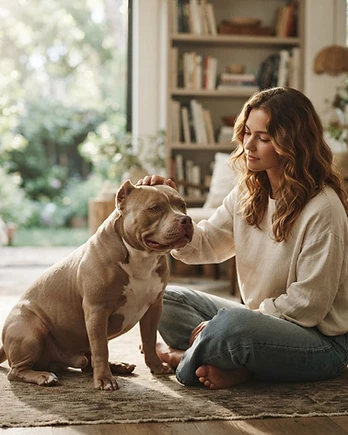
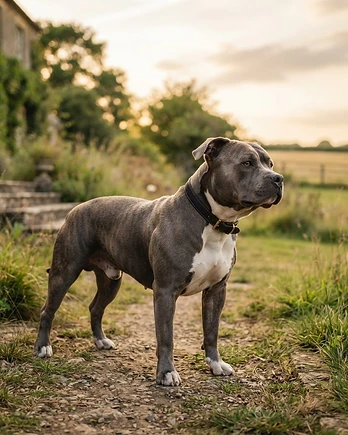
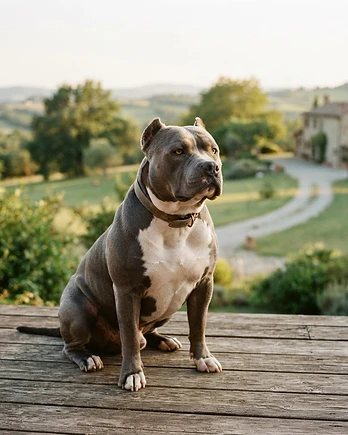
Bringing an American Bully into your home is one of the most rewarding decisions you can make. These dogs — compact, muscular, and overflowing with affection — bond deeply with their families and thrive when their physical and emotional needs are genuinely understood. But "bully breed care" is not one-size-fits-all, and the American Bully has a distinct profile: a broad, heavily muscled frame, a short single coat, a brachycephalic tendency in some lines, and a temperament that craves both vigorous activity and warm, close companionship.
This pillar guide covers every dimension of American Bully ownership — daily routines, age-appropriate exercise, coat and skin care, environmental safety, seasonal considerations, travel, and the long arc of lifelong wellness from the 8-week puppy milestone all the way through the senior years. Whether you are preparing for your first bully or refining the care of a dog you already love, you will find specific, actionable guidance here grounded in veterinary best practices and the lived experience of ethical, ABKC- and UKC-registered breeding.
For a deeper understanding of the breed's history, conformation, and temperament before diving into care, we recommend reading The Complete American Bully Breed Guide: Everything You Need to Know alongside this resource. And when you are ready to welcome a puppy home, explore our available American Bully puppies to see current litters.
Understanding the American Bully: A Care-Informed Overview
The American Bully was developed in the United States during the 1980s and 1990s, selectively bred from American Pit Bull Terrier and American Staffordshire Terrier foundation stock with influence from breeds including the American Bulldog and English Bulldog. The result is a breed recognized by both the American Bully Kennel Club (ABKC) and the United Kennel Club (UKC) in four primary size classes: Pocket (under 17 inches at the withers for males), Standard (17–20 inches), Classic, and XL (over 20 inches).
From a care standpoint, size class matters. XL and Standard bullies carry significantly more body mass — males commonly ranging from 70 to 120+ pounds — placing greater mechanical load on joints, particularly the hip and elbow. Pocket bullies, while smaller, share the same broad, low-slung conformation. All classes benefit from OFA (Orthopedic Foundation for Animals) hip and elbow evaluations, cardiac screening, and ophthalmologic clearance — the same health testing protocols our program at American Bully Haven Pups follows for every breeding pair.
Bringing a Puppy Home: The First 30 Days
Preparing Your Space
Before your puppy arrives, puppy-proofing is non-negotiable. American Bully puppies are curious, strong for their size, and mouthy. Secure electrical cords, remove toxic houseplants (philodendron, pothos, sago palm, and oleander are common culprits), and store household chemicals in latched cabinets. A heavy-duty crate — minimum 36 inches for most Standard puppies, 42 inches for XL lines — provides a safe den and supports crate training, which dramatically accelerates housebreaking.
Set up a designated feeding station with stainless steel or ceramic bowls (easier to sanitize than plastic, which can harbor biofilm). Have a collar with ID tags, a 4–6 foot leash, and enzymatic cleaner ready before day one.
The First Veterinary Visit
Schedule a wellness exam within 48–72 hours of pickup. Your veterinarian will:
- Confirm deworming status and schedule follow-up doses
- Review the vaccination series (typically DA2PP at 8, 12, and 16 weeks; rabies at 12–16 weeks; Bordetella if needed)
- Discuss flea, tick, and heartworm prevention — critical in Austin's warm, humid climate
- Establish a baseline weight and body condition score (BCS)
Reputable breeders, including our program, send puppies home with health records, a starter vaccination history, and a health guarantee. Review our adoption guide for specifics on what documentation accompanies every American Bully Haven Pups puppy.
Nutrition in the First Year
Puppies require diets formulated specifically for large-breed or all-life-stage growth with AAFCO (Association of American Feed Control Officials) nutritional adequacy statements. For American Bully puppies, look for:
- Crude protein: 28–32% on a dry matter basis
- Fat: 14–18% for energy-dense growth without excessive weight gain
- Calcium-to-phosphorus ratio: 1.2:1 to 1.8:1 — critical for proper skeletal mineralization
- Caloric density: approximately 400–450 kcal/cup for most quality kibbles
Feed three measured meals daily from 8–12 weeks, transitioning to two meals by 4–6 months. Free-feeding promotes obesity, which in a heavily muscled, joint-stressed breed like the American Bully accelerates degenerative joint disease. Raw (BARF or PMR) and fresh-food diets can be appropriate but require careful macronutrient and micronutrient balancing — consult a board-certified veterinary nutritionist before transitioning.


A young American Bully puppy eating a measured meal from a stainless steel bowl, representing the importance of AAFCO-compliant, breed-appropriate nutrition during the critical growth phase.
Daily Care Routines by Life Stage
Puppies (8 Weeks – 12 Months)
A structured daily routine reduces anxiety and accelerates behavioral development. A sample puppy day:
| Time | Activity | |------|----------| | 7:00 AM | Morning potty, breakfast | | 8:00–9:00 AM | Short leash walk or play (15–20 min max) | | 9:00 AM–12:00 PM | Crate rest / nap | | 12:00 PM | Midday potty, lunch | | 1:00–3:00 PM | Socialization, training session (5–10 min), nap | | 5:00 PM | Dinner | | 6:00–6:30 PM | Evening walk or backyard play | | 8:30–9:00 PM | Final potty, crate for the night |
Puppies need 16–18 hours of sleep per day. Overtired puppies bite, bark, and regress in housetraining — protect sleep time as seriously as exercise time.
Adolescents (12 Months – 2 Years)
The adolescent bully is physically strong but mentally immature. Growth plates in large and XL bullies typically close between 14–18 months. Until closure confirmed by your veterinarian, avoid high-impact repetitive exercise: no distance running, no jump training, no prolonged stair climbing. Two 30-minute leash walks plus structured play sessions is appropriate for most Standard bullies in this phase.
This is also the prime window for obedience foundation work. American Bullies are highly food-motivated and respond well to positive reinforcement (marker/clicker training, reward-based shaping). Basic commands — sit, down, stay, heel, place — lay the groundwork for a manageable adult dog.
Adults (2–7 Years)
The adult American Bully thrives on 45–75 minutes of moderate-to-vigorous activity daily, split across two sessions. Ideal activities include:
- Leash walking and urban hiking — mental stimulation and physical conditioning
- Weight pull training — a sport many bullies excel at, building muscle and focus
- Flirt pole play — 10–15 minutes provides significant cardiovascular benefit
- Dock diving and swimming — low-impact, joint-friendly aerobic exercise
- Structured fetch on grass (avoid concrete for prolonged impact)
Avoid over-exercising in Austin's summer heat. American Bullies, particularly those with broader muzzles and shorter airways, are susceptible to heat exhaustion. Exercise before 9 AM or after 7 PM from May through September. Always carry water.
Seniors (7+ Years)
Most American Bullies enter the senior phase around 7–8 years, though XL-class dogs may show aging signs earlier due to greater body mass. Senior care priorities:
- Transition to a senior-formulated diet with reduced caloric density and joint-supportive ingredients (glucosamine, chondroitin, omega-3 fatty acids from fish oil)
- Schedule biannual veterinary wellness exams rather than annual
- Add joint support: omega-3 supplementation at 20–55 mg EPA+DHA per pound of body weight has evidence-backed anti-inflammatory benefit
- Reduce high-impact exercise; replace with gentle daily walks, swimming, and massage
- Monitor for cognitive dysfunction syndrome (CDS), a canine analog to dementia, characterized by disorientation, altered sleep cycles, and house-soiling in previously trained dogs
Grooming: Coat, Skin, Ears, Nails, and Dental Care
Coat and Skin
The American Bully's short, close-lying single coat is one of the breed's most owner-friendly attributes. Weekly brushing with a rubber curry brush or grooming mitt removes dead hair and distributes natural sebum, keeping the coat glossy. Bathing every 4–6 weeks with a gentle, pH-balanced canine shampoo (pH 6.5–7.5) prevents stripping of natural oils. Overbathing dries the skin and triggers compensatory sebum overproduction.
American Bullies are prone to skin fold dermatitis (intertrigo) in facial wrinkles and around the tail pocket if present. Clean folds daily with a fragrance-free canine wipe or dilute chlorhexidine solution (0.05%) and dry thoroughly — moisture trapped in folds creates an ideal environment for Malassezia yeast and Staphylococcus bacterial overgrowth.
Dilute and exotic color lines — including lilac tri, blue tri, chocolate tri, and merle — may carry the Color Dilution Alopecia (CDA) gene. CDA causes patchy hair thinning over dilute-pigmented areas due to abnormal melanin granule distribution in the hair shaft. Mild cases require only medicated shampoos; severe cases warrant veterinary dermatology consultation. Our current litters include Atlas — Lilac Tri-Color Male, Bowie — Blue Tri Male, Diesel — Chocolate Tri Male, Ella — Lilac Tri Female, and Hazel — Merle Female — all bred with color health awareness.
Ear Care
Clean ears every 1–2 weeks with a veterinarian-approved ear cleaner. American Bullies with natural (uncropped) ears are prone to otitis externa — apply cleaner, massage the base of the ear for 30 seconds, and allow the dog to shake before wiping. Dark, waxy discharge or malodor warrants veterinary evaluation for Malassezia or bacterial infection.
Nail Trimming
Trim nails every 2–3 weeks. Overgrown nails alter gait mechanics, increasing stress on carpals, pasterns, and ultimately hips — a real concern in a breed already predisposed to hip dysplasia. Use a guillotine or scissor-style trimmer and clip just beyond the quick. For dogs with dark nails (common in dilute and tri-color bullies), trim in small increments and look for the gray/chalky cross-section that precedes the quick.
Dental Hygiene
Periodontal disease affects over 80% of dogs by age 3. Daily tooth brushing with enzymatic canine toothpaste is the gold standard. Where brushing is resisted, VOHC (Veterinary Oral Health Council) approved dental chews, water additives, and dental diets provide supplemental benefit. Professional dental cleanings under anesthesia every 1–3 years maintain periodontal health.


An American Bully receiving a routine grooming session with a rubber curry brush, demonstrating the breed's low-maintenance but consistent coat and skin care requirements for long-term dermatological health.
Home and Yard Safety
Indoor Hazards
Beyond puppy-proofing basics, adult American Bullies present unique hazards due to their strength and counter-surfing ability. Secure:
- Medications — NSAIDs (ibuprofen, naproxen) are acutely toxic to dogs; even one tablet can cause renal failure
- Xylitol-containing products — sugar-free gum, peanut butter, baked goods
- Grapes and raisins — nephrotoxic at uncertain doses; any exposure warrants veterinary contact
- Chocolate and caffeine — theobromine toxicity is dose-dependent; dark and baking chocolate are highest risk
Yard Safety
A securely fenced yard is essential. American Bullies are athletic — a 5–6 foot privacy fence is recommended for Standard and XL dogs. Check for fence gaps at ground level (bullies are determined diggers) and consider a concrete or paver apron along the fence line. Lock gates; children should not operate gates without adult supervision.
Remove toxic plants from the yard: lantana, oleander, crape myrtle berries, yew, and azalea are common in Central Texas landscapes and all pose toxicity risk. Avoid cocoa mulch — its theobromine content can cause toxicity if ingested.
Texas Heat Considerations
Austin summers routinely exceed 100°F. Ensure:
- Fresh water available at all times (consider a large stainless auto-fill bowl outdoors)
- Shaded resting areas during peak heat hours (10 AM – 6 PM)
- Concrete and asphalt surface temperature awareness — if you cannot hold your palm flat on the pavement for 5 seconds, it will burn your dog's paw pads
- Knowledge of heat stroke signs: excessive panting, drooling, bright red or pale gums, vomiting, collapse — a veterinary emergency requiring immediate cooling and transport
Seasonal Care
Spring and Summer
- Start heartworm prevention if not already on a year-round protocol — heartworm disease is endemic in Texas
- Apply ISOXAZOLINE-class flea and tick prevention (fluralaner, sarolaner, or afoxolaner) monthly or as directed — Lone Star ticks are common in Central Texas and carry ehrlichiosis
- Check paws for cracked pads, foxtail grass awns, and fire ant stings after outdoor activity
Fall and Winter
Austin winters are mild but can include cold snaps below 40°F. American Bullies have no undercoat and subcutaneous fat insulation varies widely by condition. Dogs kept outdoors (not recommended) require insulated housing; dogs that live indoors may benefit from a coat or sweater during cold morning walks. Joint stiffness often worsens in cold weather — a short 5-minute warm-up walk before vigorous activity prevents injury.
Traveling With Your American Bully
American Bullies are excellent travel companions when properly conditioned. Key considerations:
- Vehicle safety: A crash-tested dog harness or secured crate is safer and more legal in some states than unrestrained travel. Ruff Rider Roadie and Sleepypod Clickit are among tested options.
- Airline travel: Most American Bullies, especially Standard and XL, exceed cabin size limits and must travel as checked cargo. Many airlines have breed-specific restrictions on brachycephalic dogs; verify before booking. For shorter trips, ground travel is strongly preferred.
- Hotels and lodging: Research pet-fee policies in advance. Bring your dog's crate for familiarity and comfort in new environments.
- Hydration and feeding: Maintain normal feeding schedules; travel-induced stress can cause gastrointestinal upset. A 24-hour fasting period before long drives reduces motion sickness risk.
- Documentation: Carry vaccination records and a health certificate from your veterinarian if crossing state lines.
Lifelong Wellness: Preventive Health Protocols
Vaccination Schedule Recap
| Age | Core Vaccines | Non-Core (as needed) | |-----|--------------|----------------------| | 8 weeks | DA2PP | Bordetella | | 12 weeks | DA2PP | Leptospirosis, Bordetella | | 16 weeks | DA2PP, Rabies | Leptospirosis | | 1 year | DA2PP booster, Rabies 1-yr or 3-yr | Per risk | | Adult (ongoing) | DA2PP every 3 years, Rabies per local law | Annual Bordetella if boarded |
Parasite Prevention
- Heartworm: Monthly macrocyclic lactone (ivermectin, milbemycin) or ProHeart 12 injectable — year-round in Texas
- Fleas and ticks: Monthly isoxazoline (Bravecto, NexGard, Simparica) or topical (Frontline, Advantage Multi)
- Intestinal parasites: Fecal flotation exam twice yearly; deworming as indicated
Orthopedic Health
Hip dysplasia and elbow dysplasia are the primary orthopedic concerns in the American Bully. OFA hip and elbow radiographs can be performed as young as 24 months for final evaluation (preliminary evaluations at 12 months). Maintain lean body condition (BCS 4–5 out of 9) throughout the dog's life — every pound of excess weight increases hip joint load by approximately 4 pounds during gait. Weight management is the single most impactful intervention for orthopedic longevity.
For comprehensive guidance on breed-specific health screening protocols, see The Complete American Bully Breed Guide: Everything You Need to Know.
Spay and Neuter Timing
Current veterinary research suggests delaying spay/neuter until growth plate closure — approximately 14–18 months for Standard bullies, potentially 18–24 months for XL lines — reduces the risk of joint disorders, certain cancers, and urinary incontinence. Discuss timing with your veterinarian, factoring in individual conformation, lifestyle, and management capacity.
Mental Enrichment and Behavioral Wellness
American Bullies are intelligent, biddable dogs that develop anxiety and destructive behaviors when under-stimulated. Daily enrichment should include:
- Puzzle feeders and Kongs stuffed with species-appropriate food
- Nose work and scent games (sniff walks on long lines)
- Short training sessions (2–3 x 5–10 minutes daily) maintaining and expanding obedience
- Social interaction with familiar people and dogs in controlled settings
For a deeper dive into the cluster of care topics that inform this guide, explore our full resource library.
Key Takeaways
- Nutrition is foundational: Feed AAFCO-complete food with appropriate protein, fat, and calcium-phosphorus ratios. Two measured meals daily for adults; three for young puppies.
- Exercise is age-specific: Protect growth plates until 14–18 months. Adults need 45–75 minutes of daily activity; seniors need gentle, consistent movement.
- Grooming is weekly, not occasional: Coat brushing, ear cleaning, nail trimming, dental care, and skin fold hygiene are all routine needs.
- Heat management is critical in Texas: Exercise early or late; never leave your bully in a hot vehicle or yard without shade and water.
- Preventive care saves money and heartache: Current vaccinations, year-round parasite prevention, biannual vet exams, and OFA screening are the pillars of a long, healthy life.
- Color genetics require skin awareness: Dilute and exotic colors (blue, lilac, chocolate, merle) carry CDA risk — monitor coat and skin regularly.
- Mental enrichment matters as much as physical exercise: A bored bully is a destructive bully. Daily training and puzzle play are non-negotiable.
- Lean body condition is the #1 joint protector: Maintain BCS 4–5 throughout the dog's life.
Frequently Asked Questions
How much exercise does an American Bully need each day?
Adult American Bullies (2–7 years) typically need 45–75 minutes of moderate-to-vigorous exercise daily, ideally split into two sessions. The right amount varies by size class: Pocket bullies can often meet their needs in 30–45 minutes, while XL dogs benefit from structured 30-minute walks twice daily plus additional play. Adolescent dogs under 18 months should avoid high-impact or prolonged running until growth plates close, as premature stress on developing cartilage contributes to degenerative joint disease later in life. Senior dogs should transition to shorter, gentler sessions — 20–30 minutes twice daily — with emphasis on consistency rather than intensity.
Are American Bullies good apartment dogs?
Yes, with caveats. American Bullies are calm indoors and do not have the high-strung energy of working breeds — they are often described as "couch dogs with muscle." An apartment bully can thrive provided daily exercise and enrichment needs are met outside the home. The practical challenge is size: XL and Standard bullies in small spaces require thoughtful furniture and crate placement, and buildings may have breed or weight restrictions. Check lease terms before bringing a bully into an apartment setting.
What health problems are most common in American Bullies?
The most prevalent health concerns include hip dysplasia, elbow dysplasia, skin fold dermatitis, color dilution alopecia (in dilute-coated individuals), allergic skin disease (atopic dermatitis), and brachycephalic obstructive airway syndrome (BOAS) in dogs with very flat facial structure. Cardiac conditions — including dilated cardiomyopathy and congenital defects — also occur in the breed, which is why cardiac clearance through a board-certified veterinary cardiologist is part of OFA's recommended health testing panel. Choosing a puppy from OFA-health-tested parents significantly reduces — though does not eliminate — inherited disease risk. Learn more about our breeding program and our commitment to health testing.
How often should I groom my American Bully?
Weekly brushing with a rubber curry brush or grooming mitt is sufficient for the short coat. Bathing every 4–6 weeks keeps the skin balanced without over-stripping natural oils. Daily attention to facial skin folds (wiping and drying) is essential for wrinkled individuals. Nails should be trimmed every 2–3 weeks, ears cleaned every 1–2 weeks, and teeth brushed daily or as close to daily as possible. The entire routine can be completed in under 15 minutes per session once the dog is conditioned to it.
What should I feed my American Bully puppy?
Choose a kibble, raw, or fresh-food diet carrying an AAFCO nutritional adequacy statement for "growth" or "all life stages." For large and XL bullies, a large-breed puppy formula helps moderate caloric density and calcium levels to support controlled, healthy skeletal development. Target crude protein of 28–32% and fat of 14–18% on a dry matter basis. Avoid supplementing calcium beyond what the diet provides — excess calcium in growing bullies disrupts bone remodeling and increases the risk of osteochondrosis dissecans (OCD) and other developmental orthopedic diseases. Three meals daily until 4–6 months, then two measured meals thereafter.
When should I start training my American Bully?
Immediately — the day the puppy comes home. The socialization window closes at approximately 12–16 weeks of age, making this the most important developmental period of the dog's life. Exposure to a wide variety of people, environments, sounds, surfaces, and stimuli during this window shapes lifelong temperament. Formal obedience training (sit, down, stay, come, leash manners) can begin at 8 weeks using positive reinforcement. Group puppy classes, ideally starting at 10–12 weeks after the first two rounds of vaccinations, provide both socialization and structured learning. Consistent, reward-based training throughout adolescence cements the polished, well-mannered adult bully the breed is known for.
Your Next Step
Owning an American Bully is a deeply rewarding long-term commitment — one that pays you back every single day in loyalty, affection, and joy. The care framework in this guide gives you the foundation to raise a healthy, happy, well-adjusted bully from puppyhood through senior years.
If you are considering adding one of these remarkable dogs to your family, we invite you to browse our available American Bully puppies — including Atlas, Bowie, Diesel, Ella, and Hazel — or contact us with any questions. Every puppy from American Bully Haven Pups leaves with health records, a care guide, and the ongoing support of a breeder who genuinely cares about where each dog ends up and how that dog lives.
You are not just buying a puppy. You are joining a community built on responsibility, love, and the belief that every American Bully deserves the best possible life.