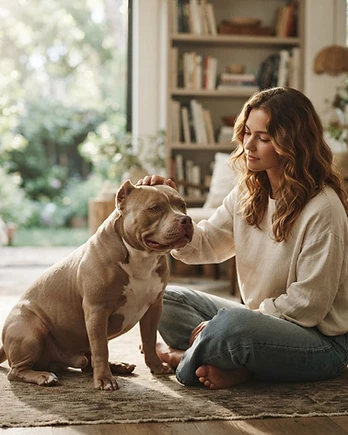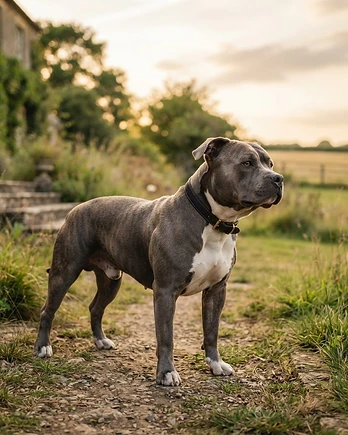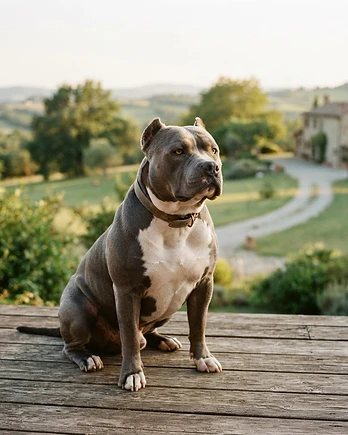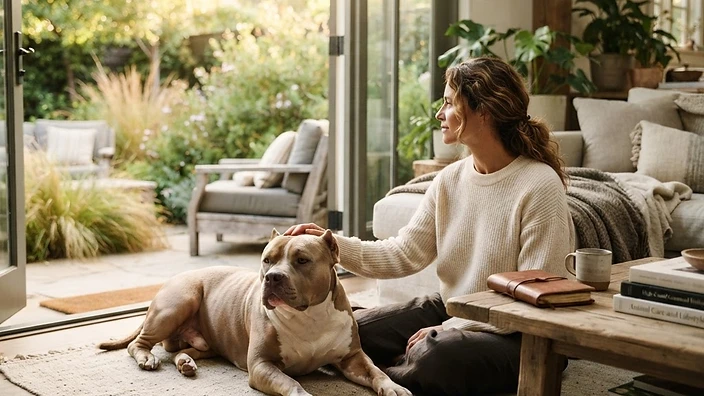
Bringing an American Bully into your home is one of the most rewarding decisions a dog lover can make. These dogs — registered with both the American Bully Kennel Club (ABKC) and the United Kennel Club (UKC) — are more than a breed. They are a lifestyle commitment built on structure, love, and consistency. Whether you've just reserved one of our available American Bully puppies or you're deep in your research phase, this guide is designed to be the only American Bully care resource you'll ever need.
American Bullies come in four ABKC-recognized size classes — Pocket, Standard, Classic, and XL — and each variant shares the same core care needs despite differences in stature and weight (Pocket males typically 13–17 inches at the withers; XL males 20+ inches and 80–150 lbs). What unites every size class is a muscular, compact build, a short double-layered coat, a broad blocky head, and a temperament that is simultaneously confident and deeply family-oriented. Understanding the breed's unique physiology is the foundation of excellent care, so we recommend pairing this guide with The Complete American Bully Breed Guide: Everything You Need to Know for full context.
This pillar article covers every dimension of American Bully care: daily routines, age-appropriate exercise, coat and skin maintenance, home and yard safety, seasonal considerations, travel readiness, and the lifelong wellness habits that keep your dog thriving for 10–13 years. Let's build the healthiest, happiest life possible for your Bully.
Building Your American Bully's Daily Routine
Dogs are creatures of habit, and American Bullies thrive on predictability. A consistent daily schedule reduces anxiety, supports digestive health, and reinforces the calm, confident temperament this breed is known for.
Morning Routine (6:00–8:00 AM)
- Potty break immediately upon waking — critical for puppies under 6 months who need elimination every 2–3 hours
- Morning meal — measured, not free-fed; portion depends on life stage and body weight (see Nutrition section)
- Short exercise session — 10–15 minutes for puppies, 30–45 minutes for adults
- Mental enrichment — a brief training session or puzzle feeder engages the Bully's above-average working intelligence
Midday Routine (12:00–1:00 PM)
- Potty break for puppies and seniors
- Second meal for puppies (three meals daily until 6 months)
- Socialization window — exposure to sounds, people, and environments during the critical 3–14 week developmental window shapes lifelong behavior
Evening Routine (5:00–7:00 PM)
- Main exercise session — the primary outlet for energy expenditure
- Dinner
- Wind-down enrichment — calm play, training reinforcement, or chew toys
- Final potty break before sleep
Consistency across feeding times, elimination, and exercise creates a dog with lower cortisol levels, better digestion, and superior trainability.
Exercise by Life Stage
One of the most common mistakes new Bully owners make is over-exercising puppies or under-exercising adults. American Bullies are a brachycephalic-adjacent breed with a broad chest and significant muscle mass — both factors that influence exercise tolerance at every age.
Puppy Exercise (8 Weeks – 12 Months)
The widely cited guideline for puppies is 5 minutes of structured exercise per month of age, twice daily. A 3-month-old puppy should receive no more than 15 minutes of leash walking twice per day. This protects the growth plates (physes), which remain open and vulnerable to injury until approximately 12–18 months in large/XL-class Bullies.
- Avoid: repetitive high-impact activities (jumping, running on hard surfaces, stair climbing) until growth plates close
- Encourage: free play on soft grass, short leash walks, swimming (excellent low-impact option)
- Socialization exercise: puppy classes, controlled playdates with vaccinated dogs
For puppies like Atlas — Lilac Tri-Color Male, Bowie — Blue Tri Male, and Ella — Lilac Tri Female, following age-appropriate exercise protocols during those first 12 months is the single biggest investment you can make in their long-term joint health.
Adolescent Exercise (12–24 Months)
As growth plates close and muscle mass increases, exercise intensity can gradually escalate:
- 45–60 minutes of moderate activity daily
- Introduce structured activities: weight pulling (with proper equipment), flirt pole work, treibball
- Continue to avoid excessive jumping or landing on hard surfaces
- Mental stimulation becomes increasingly important as the adolescent Bully tests boundaries
Adult Exercise (2–7 Years)
The adult American Bully needs 45–90 minutes of physical activity daily, split across two sessions. Suitable activities include:
- Brisk leash walking and urban hiking
- Off-leash play in securely fenced yards
- Structured sports: dock diving, weight pull, agility (modified for body type)
- Swimming — ideal year-round exercise for muscle conditioning without joint stress
Senior Exercise (7+ Years)
Senior Bullies slow down, but inactivity is never the answer. Aim for 30–45 minutes of gentle daily movement:
- Short, frequent walks rather than one long session
- Hydrotherapy or swimming for dogs with hip dysplasia or osteoarthritis
- Low-impact puzzle enrichment to maintain cognitive function
- Monitor for signs of exercise intolerance: excessive panting, lagging behind, reluctance to move


An American Bully puppy on a leash walking on soft grass, demonstrating the recommended low-impact exercise approach for dogs under 12 months of age to protect open growth plates and developing joints.
Nutrition: Fueling the American Bully Physique
The American Bully's trademark muscular build requires a diet calibrated for high biological value protein, appropriate caloric density, and targeted micronutrients. This is not a breed that thrives on bargain kibble.
Key Nutritional Principles
- Crude protein: 24–30% for adults; 28–32% for puppies and performance dogs
- Fat content: 12–18% for active adults; moderate fat helps maintain the breed's coat luster
- AAFCO compliance: always choose foods meeting Association of American Feed Control Officials standards for your dog's life stage
- Calcium:Phosphorus ratio: critical during puppyhood — imbalances contribute to developmental orthopedic disease (DOD); ideal ratio 1.2:1 to 1.8:1
- Omega-3 fatty acids (EPA/DHA): from fish oil or marine sources; supports skin, coat, and joint health — particularly important for a breed prone to ichthyosis and skin fold dermatitis
- Glucosamine and chondroitin: beneficial additives from 12 months onward to support joint cartilage
Feeding Schedule by Age
| Age | Meals Per Day | Portion Guidance | |---|---|---| | 8–12 weeks | 4 meals | Per manufacturer weight-based chart | | 3–6 months | 3 meals | Adjust for body condition score | | 6–12 months | 2–3 meals | Transition to adult food at 12 months (XL: 18 months) | | 1–7 years | 2 meals | Maintain body condition score 4–5/9 | | 7+ years | 2 meals | Reduce caloric density; increase joint support |
Raw/BARF diets are popular in the Bully community and can be highly effective when properly balanced, but require veterinary nutritionist oversight to avoid calcium/phosphorus imbalances and pathogen risks.
Grooming: Maintaining the American Bully's Coat and Skin
Despite their short coat, American Bullies are moderate shedders who require consistent grooming to maintain skin health, reduce allergen load, and catch early signs of dermatological issues.
Coat Care
- Weekly brushing with a rubber curry brush or deshedding mitt removes dead hair and distributes natural sebum
- Bathing every 4–6 weeks using a hypoallergenic, pH-balanced canine shampoo (pH 6.5–7.5); over-bathing strips the skin's protective acid mantle
- Coat health indicators: a healthy Bully coat is dense, glossy, and close-lying; dullness, scaling, or excessive shedding may indicate nutritional deficiency, thyroid dysfunction (hypothyroidism), or allergic skin disease
Skin Fold Care
Bullies with prominent facial folds, lip folds, or tail pocket folds require daily fold cleaning to prevent intertrigo (skin fold dermatitis):
- Use fragrance-free canine wipes or dilute chlorhexidine solution
- Dry folds thoroughly after cleaning — moisture is the primary driver of yeast (Malassezia) and bacterial overgrowth
- Check between toes for redness or discharge (pododermatitis is common in the breed)
Nail, Ear, and Dental Care
- Nails: trim every 3–4 weeks; overgrown nails alter gait mechanics and stress the carpus and tarsus joints
- Ears: weekly inspection and gentle cleaning with a veterinarian-approved ear cleaner; the Bully's rose ear conformation can trap debris
- Dental hygiene: daily tooth brushing with enzymatic canine toothpaste reduces periodontal disease, which is linked to systemic cardiovascular and renal conditions; dental chews and water additives are secondary supplements, not replacements

An American Bully receiving routine grooming including coat brushing and skin fold inspection, highlighting the breed-specific dermatological care required to prevent intertrigo, Malassezia overgrowth, and coat dullness.
Home and Yard Safety
Creating a safe environment is non-negotiable. American Bullies are powerful, curious, and athletic dogs that can get into serious trouble without proper precautions.
Indoor Safety
- Puppy-proof at floor level: electrical cords, toxic houseplants (sago palm, pothos, philodendron), small objects that can be swallowed, and unsecured trash cans
- Flooring: avoid polished hardwood or tile for puppies and seniors — use non-slip rugs or yoga mats to prevent joint-damaging slips
- Crate: a properly sized crate (adult Bully should be able to stand, turn, and lie down comfortably) is not punishment — it's a den, a management tool, and a safety net
- Temperature: Bullies are heat-sensitive due to their brachycephalic facial structure and muscle mass; maintain indoor temperatures between 65–78°F; never leave unsupervised in a car
Yard Safety
- Fence height and integrity: a minimum 6-foot privacy fence is recommended for Standard and XL Bullies; check for gaps, digging vulnerabilities, and gate latch security monthly
- Pool safety: American Bullies are not natural swimmers due to their dense muscle mass and short muzzle — always supervise near water and consider a canine life vest
- Toxic plants and chemicals: common yard hazards include fertilizers, herbicides, cocoa mulch (contains theobromine), and plants such as azalea, oleander, and lantana
- Heat surfaces: concrete and asphalt can reach 150°F+ in a Texas summer — test with your palm before walking your Bully; use dog boots or walk during cooler hours
Seasonal Care in Austin, Texas
As an Austin-based breeder, we understand the unique challenges of the Texas climate. The Complete American Bully Care Guide dives deeper into regional health considerations, but here's the seasonal framework every Texas Bully owner needs.
Summer (May–September)
- Brachycephalic obstructive airway syndrome (BOAS) risk increases dramatically above 85°F
- Exercise only before 8 AM or after 7 PM
- Provide unlimited fresh water and a shaded outdoor area at minimum; a kiddie pool offers cooling enrichment
- Watch for heat exhaustion signs: excessive panting, drooling, brick-red gums, weakness, vomiting — a veterinary emergency requiring immediate cooling and transport
- Heartworm prevention year-round (Texas has one of the highest heartworm incidence rates in the US)
Fall and Winter
- Austin winters are mild (average lows 40°F) but cold snaps do occur
- Short-coated Bullies feel the cold more than double-coated breeds — a well-fitted dog coat is appropriate below 40°F for walks
- Antifreeze (ethylene glycol) toxicity risk increases in winter; store securely and clean spills immediately — it is lethal in small doses
Spring
- Peak flea, tick, and heartworm mosquito season begins; ensure prevention is current
- Seasonal environmental allergies (atopy) commonly flare in spring in Texas; watch for itching, paw licking, and facial rubbing
Travel With Your American Bully
Bullies are adaptable travel companions when conditioned gradually.
- Vehicle safety: use a crash-tested crate or a canine-specific seatbelt harness; unrestrained dogs become projectiles in accidents
- BOAS and air travel: most major US airlines ban short-nosed breeds in cargo holds due to respiratory risk; cabin travel (under-seat carrier) is only viable for Pocket-class Bullies under ~20 lbs
- Hydration and rest stops: stop every 2 hours for water, elimination, and brief movement on road trips
- Documentation: carry vaccination records, microchip information, and a photo ID in case of separation
- Hotel and rental etiquette: always confirm pet policies; bring your dog's crate, blanket, and familiar toys to reduce environmental stress
- Microchipping: the AVID or HomeAgain 15-digit ISO microchip, registered in a national database, is the single most effective permanent identification method
Veterinary Care and Lifelong Wellness
Core Vaccination Schedule
| Age | Vaccines | |---|---| | 6–8 weeks | DA2PP (distemper, adenovirus, parvovirus, parainfluenza) — first | | 10–12 weeks | DA2PP booster; Bordetella | | 14–16 weeks | DA2PP final puppy series; Rabies | | 12–16 months | DA2PP and Rabies boosters | | Every 1–3 years | Per veterinarian recommendation based on titer testing |
Health Screening and OFA Testing
Ethical American Bully breeders — including our program at American Bully Haven Pups — prioritize Orthopedic Foundation for Animals (OFA) health testing before breeding:
- Hip and elbow dysplasia evaluation (OFA or PennHIP radiography)
- Cardiac auscultation by a board-certified cardiologist (American Bullies carry risk for congenital subaortic stenosis)
- Eye certification (OFA CAER exam) for hereditary cataracts and progressive retinal atrophy
- Thyroid panel (OFA thyroid) — hypothyroidism is prevalent in the breed
For a complete breakdown of breed-specific health considerations, explore The Complete American Bully Breed Guide.
Parasite Prevention Protocol
- Heartworm prevention: monthly macrocyclic lactone (ivermectin, milbemycin oxime) year-round
- Flea and tick prevention: isoxazoline class (fluralaner, afoxolaner, sarolaner) or topical permethrin/fipronil; consult your veterinarian
- Intestinal parasites: fecal float examination at least twice yearly; deworming with fenbendazole or pyrantel pamoate as indicated
Spay/Neuter Timing
Current veterinary research, including studies from UC Davis, recommends delaying spay/neuter in large-breed dogs until 18–24 months to allow complete hormonal maturation, which supports musculoskeletal and behavioral development. Discuss timing with a reproductive-aware veterinarian.
Senior Wellness (7+ Years)
- Biannual veterinary exams (versus annual for adults)
- Senior bloodwork panel: CBC, comprehensive metabolic panel, urinalysis, thyroid (T4)
- Cognitive dysfunction syndrome (CDS) becomes a consideration at 10+ years; signs include disorientation, sleep disruption, and house soiling
- Joint supplements: glucosamine (500–1000 mg/day), chondroitin sulfate, and UC-II collagen have the strongest evidence base
- Adjust diet to a senior-formulated food with reduced phosphorus (to support renal function) and maintained high-quality protein
For detailed guidance on bringing a new puppy home and the first critical days, our Bringing Home an American Bully Puppy: Your First-Week Checklist is an essential companion resource.
Socialization and Mental Enrichment
The American Bully's exceptional temperament — friendly, stable, and confident — does not develop in a vacuum. It is the product of deliberate socialization during the critical developmental period (3–14 weeks) and continued exposure throughout adolescence.
Socialization Checklist
- Exposure to 100+ novel people, sounds, surfaces, and environments before 14 weeks
- Controlled interactions with vaccinated, well-mannered dogs
- Positive-reinforcement-based puppy classes (AKC S.T.A.R. Puppy or equivalent)
- Exposure to children, elderly individuals, people in hats/uniforms, and individuals using mobility devices
Mental Enrichment Tools
- Puzzle feeders and Kongs: feed meals through enrichment devices rather than bowls
- Nose work / scent detection: leverages the dog's primary sense and tires them more efficiently than physical exercise alone
- Obedience and trick training: American Bullies are highly food-motivated and excel at AKC Canine Good Citizen (CGC) training
- Chew enrichment: raw marrow bones, bully sticks, or durable rubber chews satisfy the breed's strong jaw and reduce destructive chewing
For more in-depth care topic exploration, visit our full resource library and explore the cluster articles linked throughout this guide.
Addressing Common American Bully Care Myths
Myth: American Bullies are aggressive and don't need much socialization. Fact: The ABKC breed standard explicitly disqualifies dogs showing viciousness or unprovoked aggression. The American Bully was selectively bred for an exceptional human-friendly temperament. However, like any breed, without proper socialization and training, behavioral problems can develop. Socialization is mandatory, not optional.
Myth: The more muscle, the healthier the dog. Fact: Extreme musculature, particularly in XXL-type dogs outside the ABKC standard, can be associated with cardiovascular strain and orthopedic stress. A healthy body condition score (4–5 on a 9-point scale) with visible but not extreme muscle definition is the goal.
Myth: American Bullies don't need much exercise because they're stocky. Fact: Adult Bullies require 45–90 minutes of daily activity. Under-exercised Bullies develop obesity, destructive behaviors, anxiety, and joint degeneration.
Myth: Short coats mean no grooming required. Fact: As detailed above, the American Bully requires consistent grooming — particularly skin fold care — to prevent dermatological disease.
Key Takeaways
- Daily routine consistency — feeding, exercise, and sleep at the same times — reduces anxiety and supports digestive health
- Exercise must match life stage: protect growth plates in puppies (under 5 min/month of age rule); keep seniors moving gently
- Nutrition drives physique: prioritize AAFCO-compliant, high-protein diets with Omega-3 support and correct Ca:P ratios
- Grooming is health care: weekly brushing, monthly baths, daily fold cleaning, and dental hygiene prevent costly medical issues
- Home and yard safety require active management: 6-foot fencing, non-slip surfaces, pool supervision, and heat management
- Texas heat is a serious risk for brachycephalic-adjacent breeds — never exercise Bullies in peak summer heat
- OFA health testing and ABKC/UKC registration are marks of an ethical breeding program — ask every breeder for documentation
- Veterinary partnership from puppyhood through senior years — including OFA-guided screening — is the backbone of longevity
- Socialization during the 3–14 week window is irreplaceable and determines lifelong temperament
- Mental enrichment is as important as physical exercise for a well-balanced Bully
Frequently Asked Questions
How much exercise does an American Bully need per day?
Adult American Bullies (ages 2–7) require approximately 45–90 minutes of moderate to vigorous physical activity daily, ideally split across a morning and evening session. The exact amount depends on size class, individual fitness level, and weather conditions. Pocket Bullies may be satisfied with 45 minutes, while Standard and XL dogs typically need closer to 60–90 minutes. Always reduce intensity during hot weather and monitor for respiratory distress, as the breed's broad chest and shortened facial anatomy can limit heat dissipation.
What should I feed my American Bully puppy?
Feed a large-breed puppy formula with 28–32% crude protein, a calcium-to-phosphorus ratio of 1.2:1 to 1.8:1, and AAFCO certification for growth/all life stages. Avoid adult food for puppies under 12 months (18 months for XL class), as the calcium and caloric density differs. Feed three measured meals daily from 8 weeks to 6 months, then transition to twice daily. Supplement with fish oil (EPA/DHA) at approximately 50 mg/kg of body weight for coat and joint support. Raw diets can be used but require professional nutritional balancing.
How often should I take my American Bully to the vet?
Puppies require veterinary visits at 8, 12, and 16 weeks for core vaccinations, then at 12 months for boosters. Healthy adults should have an annual wellness exam including heartworm test, fecal examination, and physical assessment. Senior Bullies (7+ years) benefit from biannual exams with comprehensive bloodwork (CBC, chemistry panel, urinalysis, thyroid) to catch age-related conditions — kidney disease, hypothyroidism, and arthritis — early when they are most treatable.
Are American Bullies good in hot climates like Texas?
With proper management, yes — but vigilance is essential. American Bullies are sensitive to heat due to their broad chest, muscle mass, and moderately compressed facial anatomy. In Austin's climate, restrict outdoor exercise to before 8 AM and after 7 PM from May through September. Always provide unlimited fresh water, shaded rest areas, and monitor closely for heat exhaustion signs (excessive panting, drooling, brick-red gums, weakness). Year-round heartworm prevention is non-negotiable in Texas's Gulf Coast climate zone.
What are the most common health problems in American Bullies?
The most prevalent health concerns include hip and elbow dysplasia (addressed through OFA screening), allergic skin disease and atopy, hypothyroidism, congenital cardiac conditions (particularly subaortic stenosis), ichthyosis (a scaling skin disorder), and cherry eye (prolapsed nictitating membrane gland). Responsible breeders reduce these risks through multi-generational OFA health testing. Ask your breeder for hip, elbow, cardiac, and eye clearances on both parents before purchasing a puppy.
When should I spay or neuter my American Bully?
Current evidence supports delaying spay/neuter in large and XL-breed dogs until 18–24 months of age. Gonadal hormones play an important role in the closure of growth plates, musculoskeletal development, and behavioral stabilization. Early sterilization (before 6 months) in large breeds is associated with increased incidence of hip dysplasia, cranial cruciate ligament tears, and certain cancers. Discuss the optimal timing — and alternatives such as ovary-sparing spay or vasectomy — with a veterinarian experienced in large-breed reproductive medicine.
Your Partner in Lifelong Bully Care
Caring for an American Bully is a long-term commitment — and it's one of the most fulfilling ones you'll ever make. When you bring home a puppy from American Bully Haven Pups, you're not just getting a dog. You're gaining a partner who will match your energy, fill your home with joy, and trust you completely with their wellbeing.
We're here every step of the way. Meet our current litter of exceptional puppies — including Diesel — Chocolate Tri Male and Hazel — Merle Female — and explore our adoption guide to understand how our placement process works. Ready to start the conversation? Contact us — we'd love to help you find the perfect Bully for your family and lifestyle.