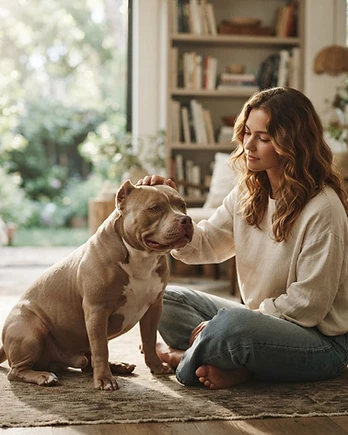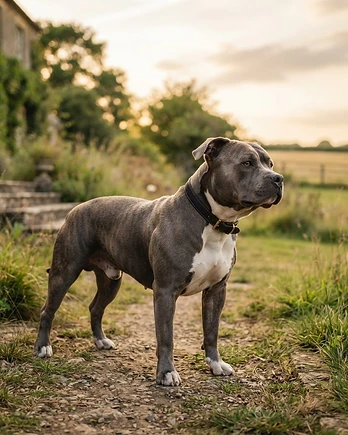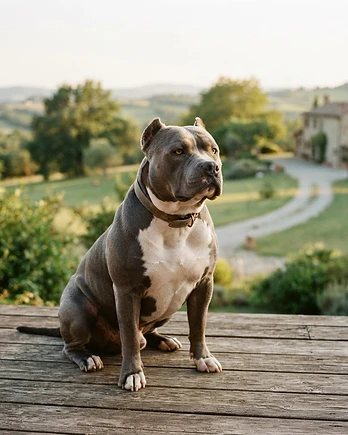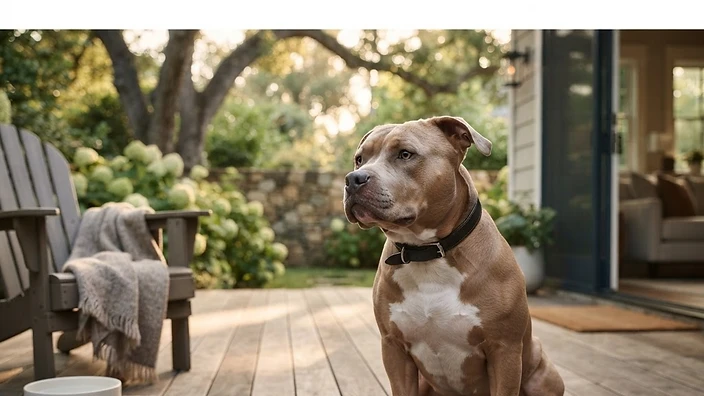
Owning an American Bully is one of the most rewarding experiences a dog lover can have. These dogs — muscular, loyal, and surprisingly gentle — form profound bonds with their families and give back tenfold every ounce of care you invest in them. But caring for a Bully well means understanding their unique physiology, their emotional needs, and the way those needs shift from an energetic eight-week-old puppy all the way through their mellow, dignified senior years.
At American Bully Haven Pups, we've spent years refining our approach to health-focused, ethical breeding registered with both the ABKC (American Bully Kennel Club) and the UKC (United Kennel Club). That experience has taught us what works — and what doesn't — when it comes to raising a Bully who is physically sound, emotionally stable, and genuinely happy. This guide distills everything we know into one comprehensive resource.
Whether you're preparing to bring home one of our puppies like Atlas — Lilac Tri-Color Male or Hazel — Merle Female, or you're the proud owner of an adult Bully looking to level up your care routine, this is the only guide you'll need. Explore our full resource library for deeper dives into every topic covered here.
Understanding the American Bully Breed: A Foundation for Great Care
Before diving into routines and schedules, it helps to understand what makes the American Bully distinct. Developed in the 1990s from American Pit Bull Terrier and American Staffordshire Terrier lineage — with contributions from Bulldog breeds — the American Bully was selectively bred for a compact, heavily muscled build and a calm, people-oriented temperament. The breed is officially recognized in four size classes by the ABKC: Pocket (under 17" at the withers for males), Standard (17"–20"), Classic, and XL (over 20"). Each class shares the same core care needs, though XL dogs may require more caloric intake and joint monitoring.
Bullies have a brachycephalic tendency (shorter muzzle compared to many breeds), a dense single or double coat, and a musculoskeletal structure that places particular demands on joints — especially hips, elbows, and stifles. Responsible breeders perform OFA (Orthopedic Foundation for Animals) hip and elbow evaluations before breeding, which is a key reason to work with an ethical, health-tested program. Understanding these anatomical realities will shape every section of this guide.
Bringing Your American Bully Home: The First Days
The transition home is one of the most formative experiences in your Bully's life. A puppy removed from its littermates enters a period of heightened stress, and how you manage that window shapes their confidence and attachment for years to come.
Read our detailed walkthrough in Bringing Your American Bully Puppy Home: The First 48 Hours and the companion Bringing Home an American Bully Puppy: Your First-Week Checklist for a step-by-step approach. At a high level:
- Designate a safe space — a crate or pen with familiar-smelling bedding, positioned in a low-traffic area.
- Limit visitors for the first 48–72 hours to reduce sensory overload.
- Establish feeding times immediately — two to three meals per day on a fixed schedule.
- Begin gentle name association and positive-reinforcement handling right away.
- Schedule a veterinary wellness exam within the first 72 hours of bringing your puppy home.
Puppy-Proofing and Home Safety
American Bully puppies are curious, powerful chewers. Before your pup arrives, audit your home for:
- Electrical cords — tuck or cover all exposed wiring.
- Toxic plants — common culprits include sago palm, oleander, azalea, and xylitol-containing products.
- Small objects — coins, batteries, children's toys, and hair ties are serious intestinal obstruction risks.
- Unsecured trash cans — Bullies are food-motivated and will raid them without hesitation.
- Stairs and elevated surfaces — puppies under 12 weeks should not navigate stairs unsupervised; joint impact from falls can cause lasting damage.
Yard Safety
A securely fenced yard is ideal for American Bullies, but fencing must be robust. A well-muscled adult Standard or XL Bully can generate significant force. Recommended minimum fence height is 5–6 feet; privacy fencing is preferred because visual barriers reduce fence-running and reactivity. Inspect the perimeter for gaps, loose boards, or dig points. In Austin's climate, ensure shade is accessible throughout the day — Bullies are heat-sensitive due to their brachycephalic tendencies.
Daily Care Routine: Building Healthy Habits
Consistency is the cornerstone of a well-adjusted Bully. Dogs thrive on predictability, and a structured daily routine reduces anxiety, prevents destructive behavior, and supports metabolic and digestive health.
Morning Routine (Sample)
| Time | Activity | |------|----------| | 6:30 AM | Potty break (leash walk or yard) | | 6:45 AM | Breakfast — measured portion, calm environment | | 7:15 AM | Morning exercise (age-appropriate — see below) | | 8:00 AM | Rest/crate time or free roam with supervision |
Evening Routine (Sample)
| Time | Activity | |------|----------| | 5:30 PM | Potty break | | 5:45 PM | Dinner — measured portion | | 6:30 PM | Evening exercise or enrichment | | 8:00 PM | Wind-down — calm interaction, gentle brushing | | 9:30 PM | Final potty break, crate or sleep area |
Adjust timing to your schedule, but keep mealtimes and exercise windows consistent within 30 minutes each day.
Nutrition: Fueling a Muscular, Active Breed
American Bullies are a high-muscle, moderate-to-high energy breed with specific macronutrient requirements. Proper nutrition underpins joint integrity, coat quality, immune function, and longevity.
Puppy Nutrition (8 Weeks – 12 Months)
- Feed a large-breed puppy formula with AAFCO (Association of American Feed Control Officials) nutritional adequacy for growth.
- Target crude protein: 28–32%, crude fat: 14–18%, with controlled calcium-to-phosphorus ratios (1.2:1 to 1.4:1) to support bone development without accelerating growth rate.
- Feed three times daily from 8–16 weeks, then twice daily from 16 weeks onward.
- Avoid free-feeding — portion control prevents obesity, a major contributor to joint stress in a breed already predisposed to hip dysplasia.
Adult Nutrition (1–7 Years)
- Transition to an adult large-breed formula at 12–14 months.
- A 60-lb Standard Bully typically requires 1,400–1,800 kcal/day depending on activity level; an XL at 90–120 lbs may need 2,200–2,800 kcal/day.
- Look for whole animal protein (chicken, beef, salmon) as the first ingredient; avoid corn syrup, artificial preservatives (BHA, BHT, ethoxyquin), and excessive filler carbohydrates.
- Fish oil supplementation (EPA + DHA, 1,000–2,000 mg/day for a 60-lb dog) supports coat sheen, skin barrier integrity, and joint lubrication.
- Glucosamine (500–1,000 mg) and chondroitin sulfate (400–800 mg) daily are commonly recommended for Bullies as a preventive joint supplement beginning at 12–18 months.
Senior Nutrition (7+ Years)
- Shift to a senior or all-life-stages formula with reduced caloric density (to offset decreased metabolic rate) and elevated omega-3 fatty acid content.
- Increase joint supplement dosing and consider adding green-lipped mussel extract, a natural source of glycosaminoglycans.
- Monitor body condition score (BCS) monthly — a score of 4–5 on a 9-point scale is ideal; ribs should be palpable under a thin fat layer.


An American Bully puppy eating a measured meal from a stainless steel bowl, illustrating the importance of AAFCO-compliant, life-stage-appropriate nutrition and portion control discussed in the American Bully care guide.
Exercise by Life Stage: Protecting Joints at Every Age
Exercise is one of the most nuanced aspects of Bully care. Under-exercise leads to obesity, muscle atrophy, and behavioral issues. Over-exercise — especially in puppies whose growth plates haven't closed — causes lasting orthopedic damage. For a comprehensive breakdown, see our dedicated American Bully Exercise Guide: Age-Safe Activity & Joint Care.
Puppies (8–16 Weeks)
- 5 minutes of structured exercise per month of age, twice daily (so an 8-week-old gets 10 minutes max per session).
- Activities: leash walking on flat surfaces, gentle play in grass, basic recall games.
- Avoid: jumping, stairs, repetitive impact on hard surfaces, tug games with excessive resistance.
- Growth plates in American Bullies typically close between 12–18 months; high-impact activity before closure risks permanent joint deformity.
Adolescent Dogs (4–14 Months)
- Gradually increase to 20–30 minute walks twice daily.
- Introduce basic agility foundations, off-leash play in safe areas, and swimming (one of the best low-impact exercises for muscle building).
- Mental enrichment — puzzle feeders, sniff walks, obedience training — is as important as physical exercise during this developmental window.
Adult Dogs (14 Months – 7 Years)
- Healthy adults thrive with 45–60 minutes of moderate exercise daily, split into two sessions.
- Weight pulling (with proper equipment and progressive loading), structured walks, flirt pole play, and swimming are all excellent.
- Avoid prolonged running on hard surfaces — concrete and asphalt accelerate joint wear on a breed already carrying significant body mass.
Senior Dogs (7+ Years)
- Maintain daily movement — short, gentle walks of 15–20 minutes twice daily preserve muscle mass and joint mobility.
- Hydrotherapy and controlled swimming remain excellent options.
- Watch for signs of discomfort: stiffness after rest, reluctance to climb stairs, altered gait. Report changes to your veterinarian promptly — conditions like degenerative joint disease (DJD) and canine hip dysplasia (CHD) are manageable when caught early.
Grooming: More Than Just Looking Good
American Bullies are relatively low-maintenance in the grooming department, but a consistent routine does more than keep your dog looking sharp — it's a health monitoring practice.
Coat Care
- Bullies have a short, close-lying single coat (in most lines) that sheds moderately year-round with heavier seasonal shedding in spring and fall.
- Brush weekly with a rubber curry brush or bristle brush to distribute skin oils, remove loose hair, and stimulate circulation.
- Bathe every 4–6 weeks or as needed using a gentle, pH-balanced canine shampoo. Over-bathing strips natural sebum and can trigger dry, itchy skin — a common complaint in Bullies with sensitive skin.
- After bathing, dry thoroughly, especially in skin folds and wrinkle creases. Moisture trapped in folds breeds yeast (Malassezia) and bacteria.
Skin Fold Maintenance
Many Bullies, particularly Pocket and Classic types, have facial wrinkles and body folds that require daily to every-other-day cleaning with unscented pet-safe wipes or a diluted chlorhexidine solution. Signs of fold dermatitis include redness, odor, and discharge — address these with your vet before they escalate.
Nail Care
- Trim nails every 2–3 weeks. Overgrown nails alter gait mechanics and increase joint stress in a heavy-muscled breed.
- Use a guillotine or scissor-style clipper; avoid the quick (the vascular core visible as a pink shadow in light-colored nails).
- Introduce nail trims during puppyhood using desensitization and high-value treats to prevent lifelong resistance.
Ear Care
- Check ears weekly for odor, redness, and excessive wax buildup — all signs of otitis externa (ear infection).
- Clean monthly with a veterinarian-approved ear cleaner; never insert cotton swabs past the visible canal.
Dental Care
- Periodontal disease affects an estimated 80% of dogs over age 3 and is directly linked to systemic conditions including cardiac and renal disease.
- Brush teeth 3–5 times weekly with canine-specific enzymatic toothpaste.
- Supplement with dental chews (VOHC-approved products like Greenies), raw bones under supervision, or water additives.

An American Bully receiving a thorough brush-down with a rubber curry brush during a weekly grooming session, highlighting the coat care, skin fold maintenance, and nail and dental care routines outlined in this complete American Bully care guide.
Preventive Health Care and Veterinary Schedule
For a complete deep dive, see The Complete American Bully Health Guide and American Bully Wellness: A Complete Preventive Guide. The core framework:
Vaccination Schedule
- 6–8 weeks: DA2PP (distemper, adenovirus, parvovirus, parainfluenza) — core puppy series begins.
- 10–12 weeks: DA2PP booster + Bordetella.
- 14–16 weeks: DA2PP final puppy booster + Rabies (required by Texas law).
- 12–16 months: DA2PP and Rabies boosters; transition to 3-year rabies protocol.
- Annual wellness exams thereafter, with titers testing as an alternative to reflexive annual boosters (discuss with your vet).
Parasite Prevention
- Heartworm prevention is non-negotiable in Texas — year-round monthly administration of an FDA-approved macrocyclic lactone (ivermectin, milbemycin, or moxidectin-based product).
- Flea and tick prevention: topical or oral isoxazoline-class products (fluralaner, afoxolaner) are highly effective and monthly.
- Annual fecal exam to screen for intestinal parasites (roundworm, hookworm, whipworm, Giardia).
OFA Health Screening
- Reputable breeders complete OFA hip and elbow evaluations before breeding, but owners should discuss baseline radiographs at 24 months for their own records.
- Cardiac auscultation by a board-certified veterinary cardiologist (OFA Cardiac exam) is also recommended given the breed's known susceptibility to congenital cardiac conditions.
Training and Behavioral Wellness
A well-trained Bully is a safe, happy Bully. Refer to How to Train an American Bully Puppy the Right Way and Understanding American Bully Behavior: A Complete Guide for complete behavioral guidance.
Key principles:
- Use positive reinforcement exclusively — aversive methods (choke chains, e-collars on puppies, physical correction) increase cortisol, undermine trust, and can trigger defensive aggression in any breed.
- Begin socialization before 16 weeks — the critical socialization window. Expose your puppy to varied people, surfaces, sounds, and environments in a controlled, positive manner.
- Enroll in a puppy kindergarten class by 10–12 weeks (after first DA2PP series) to build confidence and manners simultaneously.
- Mental stimulation — obedience training, scent work, interactive feeders — reduces boredom-driven destructive behavior more effectively than additional physical exercise alone.
Seasonal Care in Austin, Texas
Summer Heat Management
Austin summers regularly exceed 100°F, and American Bullies are at elevated risk for heat stroke due to their brachycephalic anatomy and dense musculature. Practical protocols:
- Walk during early morning (before 8 AM) or after 7 PM — pavement above 77°F can cause paw pad burns in 60 seconds.
- Always provide fresh, cool water; consider a dog-specific cooling mat and kiddie splash pool.
- Never leave a Bully in a parked vehicle — internal temperatures reach lethal levels within minutes.
- Know heat stroke signs: excessive panting, drooling, glassy eyes, stumbling, collapse. This is a veterinary emergency.
Winter Care
Austin winters are mild but include cold fronts with temperatures dipping into the 20s–30s°F. Short-coated Bullies lose body heat faster than double-coated breeds:
- Use a fitted dog coat for walks when temperatures drop below 45°F.
- Provide a warm, draft-free sleeping area — elevated beds off cold floors are ideal.
- Inspect paws after walks for ice melt chemicals (sodium chloride, magnesium chloride); rinse paws and apply paw balm to prevent cracking.
Spring Allergen Season
Texus's heavy cedar and oak pollen seasons (December–April) commonly trigger environmental allergies in Bullies — manifesting as paw licking, facial rubbing, ear infections, and skin hot spots. Management strategies include wiping the dog down after outdoor excursions, regular bathing, and veterinary-prescribed antihistamines or Cytopoint injections if symptoms are significant.
Travel and Transport
American Bullies are adaptable travelers when properly conditioned:
- Car travel: Use a crash-tested crate or harness tested to FMVSS 213 equivalent standards. Never allow a Bully to ride loose in a truck bed.
- Crate conditioning: Begin crate training in puppyhood (see our adoption guide) so the crate becomes a safe retreat, not a stressor.
- Air travel: Most airlines prohibit brachycephalic breeds in cargo hold due to respiratory risk. Bullies that fit under the seat may qualify as cabin passengers — verify airline policy before booking.
- Hotel and lodging: Always call ahead; breed restrictions are common. Carry your dog's ABKC or UKC registration papers and vaccination records as documentation of legitimate ownership.
- Hydration on the road: Offer water every 2 hours during long trips and schedule potty breaks every 3–4 hours minimum.
Caring for a Senior American Bully (7+ Years)
The average lifespan of a well-cared-for American Bully is 10–12 years, with some individuals reaching 13–14 years. Senior care is about preserving quality of life:
- Bi-annual veterinary exams replace annual visits — age-related conditions progress quickly and early intervention matters.
- Senior bloodwork panel (complete blood count, comprehensive metabolic panel, thyroid function) annually to detect early organ dysfunction.
- Orthopedic support: Orthopedic memory foam beds, ramps instead of stairs, warm-water hydrotherapy.
- Cognitive enrichment: Canine cognitive dysfunction (CCD) — the dog equivalent of dementia — affects a meaningful percentage of dogs over 11. Continued mental stimulation and a stable routine slow cognitive decline.
- Weight management: Even modest obesity (10–15% over ideal body weight) accelerates joint degeneration, cardiac stress, and metabolic disease in senior dogs.
Key Takeaways
- Establish a consistent daily routine from day one — feeding, exercise, rest, and socialization on a predictable schedule.
- Feed a species-appropriate, AAFCO-compliant diet with correct protein, fat, and calcium ratios for your dog's life stage.
- Protect growth plates — no high-impact exercise before 14–18 months; follow the 5-minutes-per-month-of-age rule for puppies.
- Groom weekly (coat), every 2–3 weeks (nails), daily (skin folds), and monthly (ears); brush teeth 3–5 times per week.
- Follow a complete veterinary schedule including core vaccines, heartworm prevention, flea/tick protection, and OFA health screening.
- In Austin's climate, heat management is life-critical in summer; provide cooling resources and never leave your Bully in a hot vehicle.
- Senior care begins at 7 years — shift to bi-annual vet visits, orthopedic support, and senior nutrition.
- Training and socialization are lifelong investments; positive reinforcement and early socialization produce stable, confident dogs.
- Work only with ABKC- or UKC-registered, health-tested breeders — learn the differences at ABKC vs UKC Registration: What Every Bully Owner Must Know.
Frequently Asked Questions
How much exercise does an American Bully need daily?
Adult American Bullies generally need 45–60 minutes of moderate exercise per day, ideally split into two sessions. The breed is energetic but not hyperactive, and their dense musculature means they tire more quickly than leaner breeds during high-intensity activity. Puppies under 14 months should follow the 5-minutes-per-month-of-age guideline per session to protect developing growth plates. Mental exercise — obedience training, puzzle feeders, scent games — should complement physical activity at every life stage. For a full breakdown, see our American Bully Exercise Guide.
What do I feed an American Bully puppy?
Feed a high-quality, AAFCO-approved large-breed puppy formula with 28–32% crude protein and controlled calcium-to-phosphorus ratios (approximately 1.2:1 to 1.4:1). Feed three measured meals daily until 16 weeks, then twice daily. Avoid overfeeding — obesity during puppyhood stresses developing hips and elbows. Whole-animal protein sources (chicken, turkey, salmon) should appear first on the ingredient list, and you should avoid artificial preservatives, excessive corn-based fillers, and by-product meals of unspecified origin. Introduce fish oil and a joint supplement (glucosamine/chondroitin) at 12 months as a preventive foundation.
Are American Bullies good with children and families?
Yes — the American Bully was intentionally bred to be an affectionate, people-oriented companion, and well-socialized, well-trained individuals are typically excellent family dogs. Their even temperament and high pain tolerance make them patient with children. That said, their size and enthusiasm mean interactions with very young children should be supervised. Early socialization and consistent positive reinforcement training are essential — read Understanding American Bully Behavior to understand how to build a reliably gentle family companion.
How do I prevent hip dysplasia in my American Bully?
While canine hip dysplasia (CHD) has a significant genetic component, environmental management meaningfully influences its expression. Start by purchasing from an OFA health-tested breeding program (both parents should have OFA hip and elbow clearances). Then: keep your puppy lean during growth, avoid high-impact activity before growth plate closure (14–18 months), feed a large-breed puppy food with controlled calcium levels, introduce glucosamine and omega-3 supplementation early, and provide orthopedic sleeping surfaces. Annual or bi-annual monitoring radiographs in adult and senior dogs allow early intervention with physical therapy, anti-inflammatory protocols, or surgical options if dysplasia develops.
How often should an American Bully see a veterinarian?
Puppies require frequent visits — typically at 8, 12, and 16 weeks for vaccine series completion, then again at 6 months for spay/neuter consultation and a wellness check. Adults (1–7 years) should have a comprehensive annual wellness exam including physical assessment, heartworm test, fecal exam, and vaccine review. Senior Bullies (7+) benefit from bi-annual visits with a full senior bloodwork panel at least once per year. Any time you notice changes in weight, gait, appetite, coat condition, or behavior, schedule an appointment promptly — early detection is the single most impactful variable in managing chronic disease.
Is an American Bully the right breed for me?
The American Bully thrives in homes where someone is present for most of the day, consistent training is a priority, and the dog is treated as a true family member rather than a yard dog. They don't do well with prolonged isolation and can develop separation anxiety if under-socialized or under-stimulated. They are an excellent choice for experienced or first-time owners who are committed to positive training, regular exercise, and veterinary care. Review our about our breeding program page to understand the temperament and health standards we breed toward, and explore our available American Bully puppies to see if a current litter is the right fit.
Ready to Welcome an American Bully Into Your Family?
Caring for an American Bully is a genuine commitment — and an extraordinary privilege. These dogs give back every bit of effort you invest, rewarding consistent care and loving guidance with unmatched loyalty and joy. If you're ready to take the next step, we'd love to introduce you to our current puppies: Bowie — Blue Tri Male, Diesel — Chocolate Tri Male, and Ella — Lilac Tri Female are just a few of the exceptional pups available now.
Browse our available American Bully puppies, review our adoption guide to understand our process, and contact us with any questions. We're here to support you from the very first conversation all the way through your Bully's senior years.