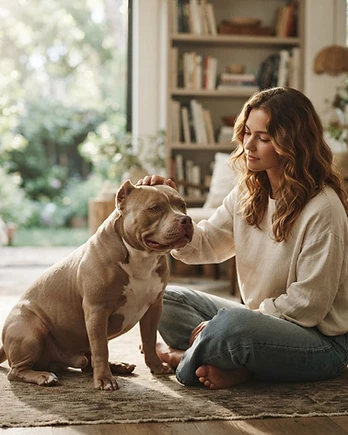
Bringing an American Bully into your life is one of the most rewarding decisions you'll ever make. These dogs — compact, muscular, and overflowing with affection — bond to their families with an intensity that is hard to put into words. But that bond comes with real responsibility. An American Bully raised on consistent care, sound nutrition, smart exercise, and genuine love doesn't just survive — it thrives, turning heads at the dog park and melting hearts on the couch every single evening.
At American Bully Haven Pups, we've spent years breeding ABKC- and UKC-registered American Bullies in Austin, Texas, and the single most common thing we hear from new owners is: "I wish I'd had one place that told me everything." This guide is that place. Whether you're welcoming a puppy like Atlas — our Lilac Tri-Color Male American Bully or Hazel — our stunning Merle Female, or you're already parenting a young adult or senior Bully, every section below was written for you.
We've organized this pillar resource to walk through every dimension of American Bully care in life-stage order — from the chaotic, joyful first weeks of puppyhood through the slower, precious senior years. Bookmark it, share it, and return to it as your dog grows. You can also explore our full resource library for deep-dives into every topic we touch here.
Understanding the American Bully: Breed Basics That Shape Care
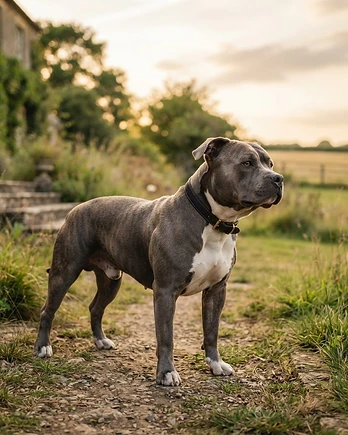
Before you can care for an American Bully well, you need to understand what makes this breed distinct. The American Bully was developed in the 1990s as a companion-focused offshoot of the American Pit Bull Terrier and American Staffordshire Terrier, with intentional crosses to bulldogs to widen structure and soften temperament. The result is a brachycephalic-adjacent, heavily muscled, short-coated breed recognized by the ABKC (American Bully Kennel Club) and UKC (United Kennel Club) in four size classes: Pocket, Standard, Classic, and XL.
For a comprehensive overview of conformation, bloodlines, and breed history, read The Complete American Bully Breed Guide: Everything to Know. Understanding the breed standard directly informs how you exercise, feed, and health-screen your dog at every stage.
Key breed characteristics that influence care:
- Muscle mass and bone density — higher than average; dietary protein and joint support matter more than in lighter breeds
- Short, single-layer coat — low shedding maintenance but zero insulation in cold weather
- Brachycephalic facial structure (especially in Pocket and Classic lines) — affects thermoregulation and exercise tolerance
- High pain tolerance — owners must observe behavioral cues for discomfort rather than relying on vocalization
- People-oriented temperament — separation anxiety is common; environmental enrichment is non-negotiable
Life Stage 1 — Puppyhood (8 Weeks to 6 Months)
Bringing Your Puppy Home
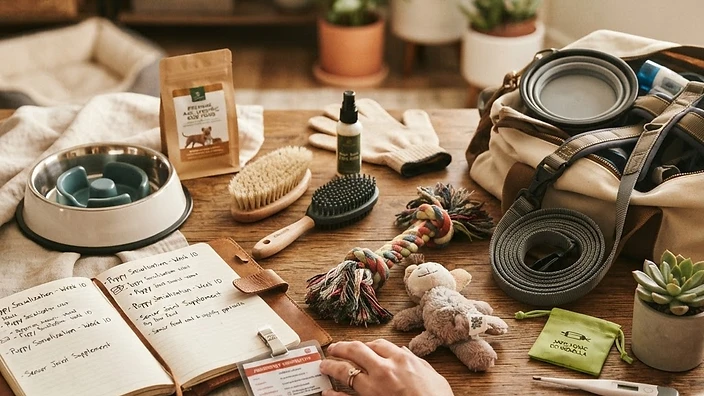
The first 72 hours set the emotional tone for your dog's entire life. Prepare a dedicated space with a crate or playpen, a water bowl, puppy-safe bedding, and a few enrichment toys before your puppy arrives. Keep visitors limited for the first 48 hours so your pup can bond with immediate family first.
American Bully puppies leave our program at 8 weeks, fully vaccinated for their age, dewormed, and microchipped. They arrive with a health record and a starter bag of the same food they've been eating — do not change foods abruptly. Transition to any new diet over 7–10 days using a 75/25, then 50/50, then 25/75 blend to avoid gastrointestinal upset.
Puppy Nutrition (8 Weeks – 6 Months)
Growth-stage nutrition is arguably the most consequential care decision you'll make. American Bully puppies need a diet formulated for large- to extra-large-breed puppies, with:
- Crude protein: 28–32% on a dry matter basis
- Fat: 14–18% for caloric density and coat health
- Calcium-to-phosphorus ratio: 1.2:1 to 1.4:1 to support skeletal development without accelerating bone growth too rapidly
- DHA (docosahexaenoic acid): essential for neurological and ocular development
- AAFCO statement: look for "complete and balanced for growth" or "all life stages"
Feed 3 times daily at 8–12 weeks, transitioning to twice daily by 12–16 weeks. Portion sizes vary by product and bodyweight — use the manufacturer's feeding chart as a starting point, then adjust based on body condition score (BCS). A puppy at ideal BCS has ribs palpable but not visible, a slight waist tuck, and no excess fat padding.
Exercise for Puppies: The 5-Minute Rule
One of the most important — and most violated — care principles for American Bully puppies is controlled exercise. Puppies under 6 months have open growth plates (physeal cartilage at the ends of long bones), which are vulnerable to repetitive concussive stress. The veterinary-endorsed guideline: 5 minutes of structured exercise per month of age, twice daily. A 3-month-old puppy needs no more than 15 minutes of leash walking twice a day.
Free play in a safe yard is fine and necessary for development, but avoid:
- Forced running or jogging alongside a bicycle
- Jumping from heights (stairs, furniture, truck beds)
- Prolonged fetch or tug sessions on hard surfaces
Early Socialization and Behavioral Foundation
The primary socialization window closes around 14–16 weeks. During this period, expose your puppy to at least 100 novel stimuli: people of different ages and appearances, other vaccinated dogs, traffic sounds, bicycles, umbrellas, veterinary handling, nail trims, and car rides. Positive associations built here literally shape synaptic architecture in the developing brain.
Begin crate training and basic obedience (sit, stay, come, leave it) immediately. American Bullies are highly food-motivated and respond exceptionally well to reward-based training. Harsh corrections are counterproductive with this breed and can create reactivity.

A young American Bully puppy explores a new outdoor environment, illustrating the importance of early socialization and controlled exercise for healthy development. Proper early-life care sets the foundation for a well-balanced adult dog.
Life Stage 2 — Adolescence (6 Months to 18 Months)
Adolescence is the "why is my dog suddenly ignoring me" phase. Hormonal changes, continued physical growth, and cognitive reorganization mean your previously compliant puppy will test limits. Stay consistent. This is also the phase where many dogs end up in rescues — don't give up.
Exercise by Age: Adolescent Bullies
By 6 months, growth plates in smaller bones are mostly closed but the major weight-bearing physes (distal femur, proximal tibia) don't close until 12–18 months in larger individuals. A practical exercise progression:
| Age | Exercise Duration | Intensity | |---|---|---| | 6–9 months | 20–30 min/session, 2x daily | Leash walks, light play | | 9–12 months | 30–40 min/session, 2x daily | Moderate hikes, structured play | | 12–18 months | 40–60 min/session, 2x daily | Full activity, begin weight-pull conditioning if desired |
Nutrition Transition: Puppy to Adult Food
Most American Bullies transition from puppy to adult formula between 12–18 months, depending on size class. Pocket Bullies can transition closer to 12 months; XL Bullies benefit from staying on puppy or "large breed puppy" formulas until 18 months. Discuss timing with your veterinarian.
Spay/Neuter Timing
Emerging research — including orthopedic studies from UC Davis — suggests that early gonadectomy (before 12 months) in large, muscular breeds increases the risk of cranial cruciate ligament (CCL) tears and hip dysplasia. We recommend consulting your vet about waiting until 12–18 months for most American Bullies unless there is a medical or behavioral reason to act earlier.
Grooming: A Complete American Bully Grooming Routine
American Bullies are often praised as "low maintenance" on grooming — and in terms of coat care, that's largely true. But a complete grooming routine covers far more than brushing.
Coat and Skin Care
- Brushing: Once weekly with a rubber curry brush or bristle brush. During seasonal shedding (spring and fall), increase to 3x per week.
- Bathing: Every 4–6 weeks using a hypoallergenic, pH-balanced canine shampoo (pH 6.5–7.5). Over-bathing strips the skin's natural sebum barrier and can trigger environmental allergy flares.
- Skin fold care: Dogs with pronounced facial and body folds (common in Micro and Pocket types) need daily fold cleaning with a fragrance-free pet wipe or diluted chlorhexidine solution. Moisture trapped in folds breeds bacteria and yeast (Malassezia).
Nail Trimming
Trim nails every 2–3 weeks. Overgrown nails shift the metacarpal and metatarsal joint angles, creating chronic low-grade lameness and contributing to long-term joint degeneration. Use a guillotine-style or scissor trimmer; for dark nails, trim in thin slices until you see the gray "quick shadow" in the cut face.
Ear Cleaning
Clean ears every 2 weeks with a veterinarian-approved ear cleaner. American Bullies with rose ears (folded) are more susceptible to otitis externa (ear canal inflammation) than erect-eared breeds. Signs of infection: dark discharge, odor, head shaking, pawing at the ear.
Dental Hygiene
Periodontal disease affects an estimated 80% of dogs over age 3. Brush your Bully's teeth 3–5 times per week using enzymatic canine toothpaste (never human toothpaste — xylitol is toxic). Supplement with VOHC (Veterinary Oral Health Council)-approved dental chews.
Nutrition for Life: Feeding Your American Bully at Every Stage
For a comprehensive breakdown of macronutrients, feeding schedules, supplements, and raw vs. kibble comparisons, see our detailed nutrition cluster article. Below is a life-stage summary.
Adult Nutrition (18 Months – 7 Years)
- Protein: 24–28% crude protein, from named animal sources (chicken, beef, salmon) listed as the first ingredient
- Fat: 12–16% for energy and coat health
- Calories: Typically 1,200–2,000 kcal/day depending on size class and activity level (Pocket Bullies at the lower end, XL Bullies at the upper end)
- Omega-3 fatty acids: Supplement with fish oil (EPA + DHA) at 20–55 mg/kg body weight daily for coat luster, joint health, and cardiovascular function
- Joint supplements: Glucosamine (500–1,000 mg/day) and chondroitin (400–800 mg/day) are supported by veterinary literature for musculoskeletal maintenance
Foods to Avoid
Never feed: xylitol, grapes/raisins, onions/garlic (Allium species), macadamia nuts, chocolate (theobromine toxicity), raw yeast dough, or alcohol.


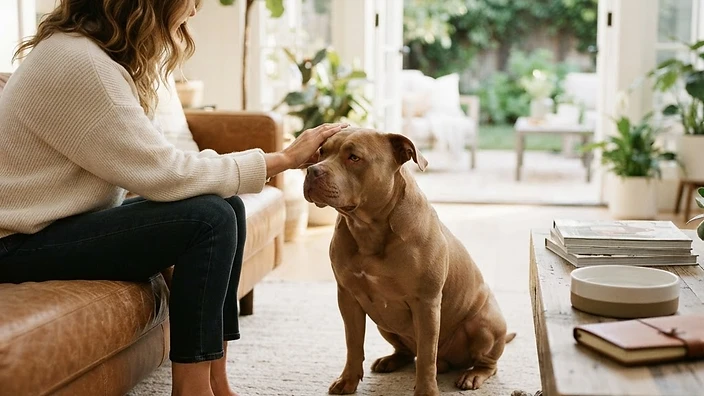
A senior American Bully relaxes on a memory foam orthopedic dog bed in a comfortable indoor setting, representing the specialized care needs of aging Bullies. Thoughtful senior care including joint support, adjusted nutrition, and regular veterinary checkups can extend quality of life well into the dog's second decade.
Exercise and Physical Conditioning
American Bullies are athletic, muscular dogs that need daily physical and mental stimulation. Under-exercised Bullies develop destructive behaviors, obesity, and anxiety. Over-exercised young Bullies develop orthopedic injuries. The key is age-appropriate, structured activity.
Daily Exercise Blueprint for Adult Bullies
- Morning: 30–45 minute brisk leash walk or structured off-leash play in a fenced yard
- Evening: 30-minute walk plus 10–15 minutes of training or enrichment games (nose work, puzzle feeders)
- Total: 60–90 minutes of moderate-intensity activity daily
Mental Enrichment
American Bullies are more cognitively complex than many people expect. Without mental stimulation, they become bored and destructive. Incorporate:
- Sniff walks (let them explore scent trails at their own pace)
- KONG stuffed with frozen food
- Flirt poles (excellent for prey-drive outlet in a controlled setting)
- Basic trick training (teaches impulse control and deepens your bond)
Cautions for Brachycephalic Individuals
Bullies with shortened muzzles are prone to Brachycephalic Obstructive Airway Syndrome (BOAS). Signs of respiratory distress during exercise: open-mouth breathing within 5 minutes of light activity, cyanotic (bluish) gums, collapse. Exercise in the early morning or evening during hot weather and always carry water. If BOAS signs are severe, consult a veterinary specialist about corrective soft-palate resection.
Home Environment and Yard Safety
Indoors
American Bullies are indoor dogs. Their short, single-layer coat provides minimal insulation, and their brachycephalic facial structure impairs thermoregulation in both heat and cold. A home temperature of 68–75°F (20–24°C) is ideal.
Puppy-proof and dog-proof for:
- Electrical cords (chewing risk)
- Toxic houseplants (pothos, sago palm, lilies, aloe vera)
- Human medications left on counters
- Accessible trash cans (gastrointestinal foreign body risk)
- Low furniture that invites jumping (joint risk for puppies)
Yard Safety
- Fencing: Minimum 5-foot privacy fence; many adult male XL Bullies can clear 4-foot fences. Ensure there are no gaps or footholds for climbing.
- Pool safety: American Bullies are not strong natural swimmers due to their heavy, front-weighted build. Never leave a Bully unattended near water; install a pool fence or ramp.
- Toxic plants: Remove from the yard — oleander, azaleas, lantana, and sago palm are common in Texas and all are highly toxic.
- Heat: In Austin's summers (regularly above 100°F), limit outdoor time between 10 a.m. and 6 p.m. Provide fresh water, shade, and a cooling mat or kiddie pool.
Preventive Veterinary Care and Health Screening
Ethical breeders — and responsible owners — take a proactive, preventive approach to health. American Bullies are predisposed to several conditions that benefit from early detection.
Core Vaccination Schedule
| Age | Core Vaccines | |---|---| | 6–8 weeks | DA2PP (distemper, adenovirus, parvovirus, parainfluenza) | | 10–12 weeks | DA2PP booster + Leptospira (4-serovar) | | 14–16 weeks | DA2PP booster + Rabies (1-year) | | 12–16 months | DA2PP + Rabies (3-year) boosters | | Annually | Leptospira, Bordetella; DA2PP per titer or 3-year protocol |
Common Health Conditions and Screening
- Hip dysplasia: OFA (Orthopedic Foundation for Animals) hip radiographs recommended at 24 months. Prevalence in American Bullies is estimated at 15–25% depending on lineage.
- Elbow dysplasia: OFA elbow screening at 24 months
- Cardiac disease: OFA cardiac evaluation by a board-certified cardiologist; dilated cardiomyopathy (DCM) has been reported in bully-type breeds
- Hereditary cataracts: OFA CAER eye exam annually
- Skin allergies (atopic dermatitis): Very common in the breed; management includes allergen identification, omega-3 supplementation, and veterinary-prescribed immunotherapy in chronic cases
- Hypothyroidism: OFA thyroid panel at 2–4 years
Our breeding program tests for all of the above before pairing. Learn more at about our breeding program.
Parasite Prevention
In Central Texas, year-round heartworm, flea, and tick prevention is non-negotiable. Heartworm disease (Dirofilaria immitis) is transmitted by mosquitoes and is fatal without aggressive treatment. Use an AHS (American Heartworm Society)-recommended protocol: monthly preventive (oral isoxazoline or macrocyclic lactone combination) and annual antigen testing.
Seasonal Care
Summer (Texas Heat Protocol)
- Walk before 8 a.m. or after 7 p.m.
- Test pavement temperature: if it burns your bare hand after 7 seconds, it will blister paw pads
- Provide a shaded outdoor area with a cooling mat
- Freeze treats in Kong toys or lick mats for indoor enrichment
- Know the signs of heat stroke: rectal temperature above 104°F, excessive panting, vomiting, disorientation, seizures — this is a veterinary emergency
Winter
- Temperatures below 50°F are uncomfortable for most American Bullies; below 40°F, consider a canine coat for outdoor excursions
- Dry, heated indoor air dries paw pads; apply a pet-safe balm like Musher's Secret weekly
- Watch for antifreeze (ethylene glycol) puddles on driveways — ingestion of even a small amount causes acute renal failure and is rapidly fatal
Spring and Fall
Seasonal environmental allergens (oak pollen is intense in Austin) can trigger atopic dermatitis flares. Wipe paws and belly with a damp cloth after outdoor time to reduce allergen load brought indoors. Spring is also peak heartworm mosquito season — confirm preventive is current.
Traveling With Your American Bully
- By car: Use a crash-tested crate or IMMI crash-tested harness secured to the seatbelt. Never transport in an open truck bed.
- By air: Most airlines prohibit brachycephalic breeds in cargo; cabin travel depends on size class (Pocket Bullies under 20 lbs may qualify). Research airline policies at least 60 days in advance.
- Hotels: Book pet-friendly hotels in advance; many have weight limits (commonly 50 lbs) that affect larger Bullies.
- Health certificate: Required for interstate travel and flying; your vet issues a USDA-endorsed certificate valid for 10 days for air travel.
- Pack: food (pre-measured), collapsible water bowl, documentation (vaccination records, microchip registration), medications, and a familiar blanket.
Life Stage 3 — Senior Years (7+ Years)
American Bullies are generally considered seniors at 7–8 years, though larger XL Bullies may show age-related changes earlier. Lifespans range from 10–13 years in well-cared-for individuals.
Senior Nutrition Adjustments
- Transition to a senior or "mature adult" formula with reduced caloric density (seniors are less active and prone to weight gain)
- Increase omega-3 supplementation for cognitive support (DHA is neuroprotective)
- Consider a joint supplement upgrade: green-lipped mussel extract provides ETA (eicosatetraenoic acid) not found in standard fish oil
- Digestibility declines with age; look for highly digestible protein sources and added prebiotics or probiotics
Senior Health Monitoring
Biannual veterinary exams (every 6 months instead of annually) allow earlier detection of:
- Osteoarthritis (most common condition in senior Bullies)
- Hypothyroidism (often presents as weight gain, lethargy, and poor coat)
- Kidney disease (BUN/creatinine panel twice yearly)
- Dental disease escalation
- Lipomas and cutaneous masses — most are benign, but fine needle aspirate confirms
Quality-of-Life Enrichment for Senior Bullies
Slower doesn't mean less fulfilling. Adapt activity to physical ability: replace strenuous fetch with sniff walks, hydrotherapy (underwater treadmill), or short multiple daily walks instead of one long one. Orthopedic memory foam beds dramatically improve sleep quality and joint comfort for arthritic seniors. Ramps to furniture prevent the joint impact of jumping.
Key Takeaways
- American Bullies thrive indoors with daily exercise, mental enrichment, and consistent human companionship
- Puppy exercise must be strictly limited (5 min/month of age) to protect open growth plates
- Short coats offer minimal insulation — temperature management is critical in both heat and cold
- Preventive health screening (OFA hip/elbow/cardiac, annual heartworm testing, biannual senior exams) is the cornerstone of longevity
- Dental hygiene, nail maintenance, and skin fold care are non-negotiable grooming essentials
- Nutrition quality directly impacts musculoskeletal development, coat condition, immune function, and lifespan
- Senior care begins at 7–8 years with adjusted nutrition, biannual vet visits, and adapted exercise
- Ethical sourcing matters: ABKC- and UKC-registered breeders who health-test parents give your dog the best genetic start
Frequently Asked Questions
How much exercise does an adult American Bully need daily?
An adult American Bully in good health needs approximately 60–90 minutes of moderate activity per day, ideally split between a morning and evening session. This can include leash walks, off-leash yard play, structured training, or enrichment activities like flirt pole sessions. Brachycephalic individuals may need shorter, more frequent walks rather than prolonged continuous activity, especially in warm weather. Monitoring your dog's breathing and energy levels during exercise helps you calibrate the right intensity for your individual dog.
What is the best food for an American Bully?
The best food for an American Bully is an AAFCO-compliant kibble or raw diet with a named animal protein as the first ingredient, a crude protein content of 24–30%, and appropriate calcium-to-phosphorus ratios. For muscle development and coat health, look for formulas that include omega-3 fatty acids (from fish meal or fish oil) and avoid fillers like corn syrup, artificial dyes, or unnamed "meat by-products." Consult your veterinarian to match caloric density to your dog's activity level and body condition score, and adjust portions based on weight trends rather than fixed feeding charts alone.
Do American Bullies have a lot of health problems?
Like all purpose-bred dogs, American Bullies have breed-specific predispositions — primarily hip and elbow dysplasia, skin allergies (atopic dermatitis), cardiac conditions, and respiratory concerns in heavily brachycephalic individuals. However, dogs from health-tested parents (OFA-certified hips, elbows, heart, and eyes) and raised on appropriate nutrition have meaningfully lower rates of these conditions. Preventive care, annual wellness exams, and early intervention when symptoms arise dramatically reduce the impact of any genetic predispositions. Lifespan of 10–13 years is common in well-cared-for Bullies from responsible breeders.
Are American Bullies good with children?
American Bullies were specifically developed as family companions and are widely known for their patience and affection with children. They tend to be gentle, playful, and tolerant — often described as "nanny dogs" by longtime owners. As with any breed, children should always be supervised with dogs and taught to interact respectfully. Early socialization to children of different ages during the critical window (8–14 weeks) cements calm, confident behavior around kids throughout the dog's life.
How often should I take my American Bully to the vet?
Puppies require visits approximately every 3–4 weeks from 8 to 16 weeks for vaccination series completion, then at 6 months (deworming check, pre-spay/neuter consultation if applicable) and 12 months (adult wellness baseline). Adult Bullies (18 months–7 years) should have annual comprehensive wellness exams. Senior Bullies (7+ years) benefit from biannual exams to monitor age-related conditions early. Heartworm testing should be performed annually regardless of age.
Can American Bullies live in apartments?
Yes — American Bullies can adapt well to apartment living provided their exercise and mental enrichment needs are consistently met. They are not high-energy working dogs that require acres of land; they are people-focused companions who are content relaxing indoors as long as they receive their daily walks and quality time with their family. The key considerations for apartment Bullies are: daily outdoor exercise (60–90 minutes), indoor enrichment tools (puzzle feeders, training games), and a quiet, temperature-regulated space, since their short coats make them sensitive to both heat and cold.
Start Your Journey With Confidence
Owning an American Bully is a long-term commitment of love, consistency, and informed care — and you've already taken the most important step by investing in your education. For more breed-specific guidance, explore The Complete American Bully Breed Guide and browse our full resource library for articles on nutrition, training, health, and more.
If you're ready to bring one of these extraordinary dogs home, meet our available puppies — including Bowie — our Blue Tri Male, Diesel — our Chocolate Tri Male, and Ella — our Lilac Tri Female. Each puppy leaves with full health documentation, ABKC/UKC registration, and our ongoing support. Read our adoption guide to understand our process, and don't hesitate to contact us with any questions — we're here for the entire journey, from the day your puppy comes home to their senior years and everything in between.