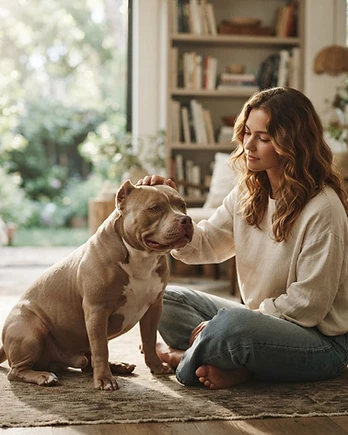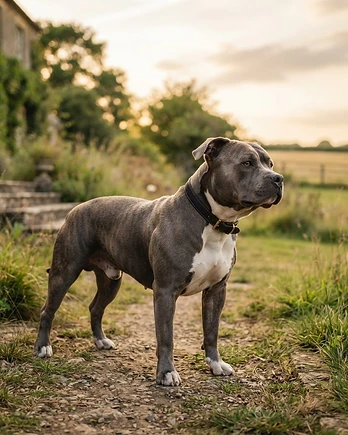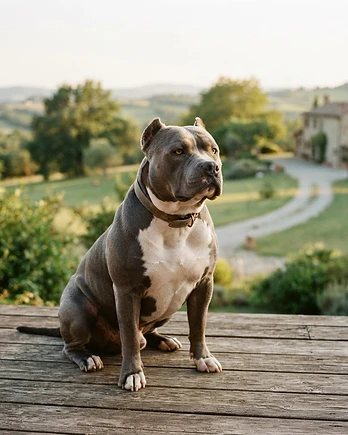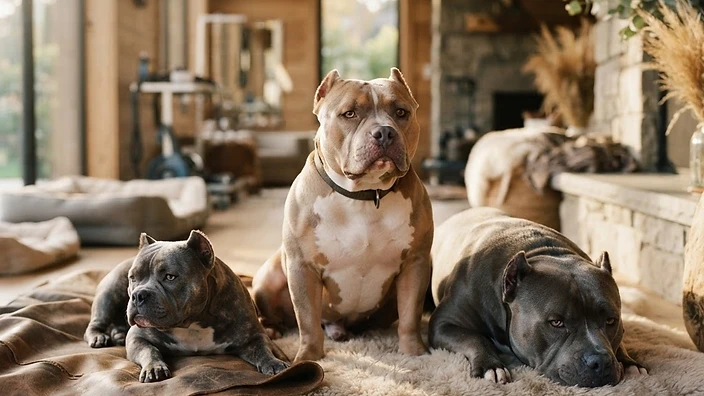
Few breeds capture hearts quite like the American Bully. Blocky heads, massive shoulders, and a gait that commands attention — and yet, the moment one of these dogs leans into your leg and gazes up at you with soft, adoring eyes, you understand that looks are only half the story. The American Bully is, at its core, a companion breed engineered for love.
Whether you're researching your first Bully purchase, evaluating a breeder, or simply trying to separate fact from the avalanche of internet myth, this guide is your definitive resource. We've structured it as a complete reference — from the breed's documented origins in the early 1990s through the nuances of coat color genetics, ABKC conformation standards, and what truly separates an ethical breeding program from a profit-driven one.
At American Bully Haven Pups, we've spent years studying, health-testing, and thoughtfully breeding ABKC- and UKC-registered American Bullies here in Austin, Texas. Everything in this guide reflects both hands-on experience and alignment with veterinary and registry best practices. Explore our full resource library for companion articles, or read on for the most thorough American Bully breed guide available anywhere online.
Origin and History of the American Bully
The American Bully emerged in the United States between approximately 1980 and 1990, with the breed taking its recognizable form through the early-to-mid 1990s. The primary foundation breeds were the American Pit Bull Terrier (APBT) and the American Staffordshire Terrier (AmStaff), with selective infusions from the English Bulldog, Olde English Bulldogge, and in some lines the Staffordshire Bull Terrier.
The goal was deliberate and well-documented: preserve the APBT's legendary loyalty, trainability, and affection toward humans while accentuating a more compact, heavily muscled, and visually imposing physique — and simultaneously breeding away from any dog-selective aggression. Early breeders prioritized human sociability above all else.
The American Bully Kennel Club (ABKC) was established in 2004, providing the breed's first formal registry and conformation standard. The United Kennel Club (UKC) followed with official recognition in 2013. These milestones transformed the American Bully from a loosely defined type into a legitimate, standardized breed with documented pedigrees and health-focused breeding programs.
Key Founding Kennels and Bloodlines
Several foundational kennels shaped the American Bully into what it is today:
- Razor's Edge (Dave Wilson, Virginia) — perhaps the single most influential kennel, producing dogs with signature wide chests, shorter muzzles, and extremely human-friendly temperaments
- Gottiline / Gotti (Richard Barajas, West Coast) — introduced by Juan Gotty, this line emphasized extreme mass and wide bone structure and remains one of the most prevalent genetics in the breed today
- Remyline (Fabian Chichester) — known for producing consistent structure with strong toplines and excellent temperament
- Kurupt Bloodline — a West Coast line celebrated for producing the coveted lilac and champagne color expressions
- Mikeland Kennels — known for XL-type dogs with refined heads and stable temperaments
- Daxline and Nakamoto Bullies — influential in the Pocket variety, producing compact dogs with extreme breadth
Understanding bloodlines matters when evaluating a puppy — genetics aren't just about appearance, they predict structural tendencies, health predispositions, and temperament patterns across generations.
The Four ABKC-Recognized Size Varieties
One of the most common points of confusion for new buyers is that "American Bully" is not a single size — it's four officially recognized varieties, each with distinct height parameters under the ABKC breed standard.
Pocket Bully
- Males: under 17 inches at the withers (typically 13–16 inches)
- Females: under 14 inches at the withers
- Weight: typically 30–60 lbs depending on build
- The Pocket is the most compact variety, often exhibiting the most exaggerated width-to-height ratio. Despite the small stature, Pocket Bullies are dense, muscular dogs — not miniatures in the fragile sense.
Standard Bully
- Males: 17–20 inches at the withers
- Females: 16–19 inches at the withers
- Weight: typically 65–85 lbs
- The Standard is considered the "classic" expression of the breed and is the reference point against which all other varieties are measured proportionally.
Classic Bully
- Same height parameters as the Standard variety
- Weight: typically 50–70 lbs
- The Classic is distinguished by a lighter body frame and less overall bulk. It more closely resembles the American Pit Bull Terrier in silhouette, with a less exaggerated chest and narrower build. Classic Bullies are often chosen by owners who want the temperament without extreme mass.
XL Bully
- Males: over 20 inches, up to approximately 23 inches at the withers
- Females: over 19 inches, up to approximately 22 inches
- Weight: typically 80–150+ lbs
- The XL is the largest recognized variety. These are imposing, powerful dogs that nonetheless carry the same breed-typical affectionate temperament. XL Bullies have surged in popularity but also carry the greatest responsibility for structural soundness — joint health, hip and elbow evaluations via OFA (Orthopedic Foundation for Animals) testing are non-negotiable at this size.
| Variety | Male Height | Female Height | Typical Weight | |---------|------------|--------------|----------------| | Pocket | <17 in | <14 in | 30–60 lbs | | Standard | 17–20 in | 16–19 in | 65–85 lbs | | Classic | 17–20 in | 16–19 in | 50–70 lbs | | XL | >20 in | >19 in | 80–150+ lbs |
ABKC Conformation Standard: What Judges and Breeders Look For
The American Bully Kennel Club conformation standard defines the ideal physical expression of the breed. Understanding this standard helps buyers evaluate whether a dog (or a litter) reflects genuine breed quality.
Head
The head is broad, large in proportion to the body, with a wide, deep skull, pronounced cheek muscles (zygomatic arch), and a short to medium muzzle with a strong underjaw. The stop is well-defined. Loose, pendulous lips are acceptable; excessive dewlap is a fault.
Body and Topline
The chest is broad and deep, with well-sprung ribs. The topline should be level or have a very slight arch over the loin. A roached or swayed back is a serious structural fault. The body should be compact with a short, firm back relative to height.
Hindquarters and Movement
Well-muscled hindquarters with broad thighs, moderate angulation, and parallel rear legs when viewed from behind. Movement should be fluid and powerful — not waddling or uncoordinated, which often indicates structural unsoundness.
Coat and Color
The coat is short, close, stiff to the touch, and glossy. All color combinations are accepted by the ABKC except merle (which is a disqualification in most show classes due to the double-merle health risks) — though merle dogs are still registerable and appear widely in the pet and breeding market.
Temperament Standard
The ABKC explicitly states that the American Bully must be confident, outgoing, and stable in temperament. Aggression toward humans is a disqualifying fault in the conformation ring and should be a disqualifying fault in any ethical breeding program.

A young American Bully puppy sitting beside a child outdoors, demonstrating the breed's characteristic human-oriented temperament, tolerance, and affectionate nature that makes them exceptional family companions.
American Bully Temperament: The Breed's Greatest Asset
If you ask experienced Bully owners what they love most, the answer is almost never "the looks" — it's the temperament. The American Bully was purpose-bred to be a human-oriented companion, and that breeding intention is deeply expressed in the modern dog.
With Family
American Bullies are intensely loyal and affectionate with their immediate family. They are exceptional with children — patient, gentle, and tolerant in a way that surprises first-time owners. The breed's low predatory drive and high human attachment make it one of the most family-compatible large-breed dogs available.
With Strangers
A well-bred, properly socialized American Bully is confident and friendly with strangers rather than shy or aggressive. Early socialization — exposure to diverse environments, people, and stimuli between 3 and 16 weeks — is essential to developing this natural potential.
With Other Animals
This is where nuance matters. Some lines carry moderate dog-selective tendencies inherited from APBT ancestry. This does not make the breed dangerous, but it does mean that early socialization, proper introductions, and ongoing management are important. Dog-to-dog dynamics should always be supervised with any large, powerful breed.
Intelligence and Trainability
American Bullies are highly food-motivated and eager to please, which makes them very trainable. They respond exceptionally well to positive reinforcement methods. Harsh corrections or dominance-based training are counterproductive and can undermine the breed's naturally confident temperament.
Coat Colors and Genetics: A Deep Dive
American Bullies display one of the widest color palettes of any breed — a direct result of diverse founding genetics and decades of selective breeding for visual diversity. Understanding color genetics helps buyers make informed decisions and helps breeders predict outcomes.
Base Colors and Pigment Genetics
All dog coat color is produced by two pigments: eumelanin (black/brown) and phaeomelanin (red/yellow). The interaction of multiple gene loci determines every color you see.
- Black: dominant eumelanin expression (K locus dominant black, Bb genotype)
- Blue: dilution of black via the d locus (dd genotype); blue is one of the most common colors in the breed
- Chocolate/Brown: recessive b locus (bb genotype), replacing black with brown pigment
- Lilac: double dilution — both blue (dd) and chocolate (bb) expressed simultaneously; one of the rarest and most sought-after expressions
- Champagne/Isabella: dilute red/fawn; lighter expression of phaeomelanin with dilution genes
- Fawn and Red: phaeomelanin expression at various intensities
Pattern Genetics
- Tri-color: expression of the tan point pattern (at locus, a^t a^t genotype) with a base color plus tan/copper points on the face, chest, and legs. Tri-color dogs are extremely popular — see our available Atlas — Lilac Tri-Color Male American Bully puppy, Bowie — Blue Tri Male American Bully puppy, Diesel — Chocolate Tri Male American Bully puppy, and Ella — Lilac Tri Female American Bully puppy.
- Merle: produced by the M locus (Mm genotype); creates mottled, irregular pigment patches. Merle is a registerable color but a show disqualification under ABKC rules. Responsible breeders never breed merle-to-merle (double merle), as MM genotype causes blindness, deafness, and severe neurological deficits. Our Hazel — Merle Female American Bully puppy is a stunning example of this pattern produced responsibly.
- Piebald/Pied: white spotting via the S locus, producing large white patches with colored regions
- Brindle: striping pattern created by phaeomelanin striping over eumelanin base (kbr allele at K locus)

A visual showcase of American Bully coat color variations including blue tri-color, lilac tri-color, and merle patterns, illustrating the diverse pigment genetics produced through responsible color breeding in the American Bully breed.
Color Myths Debunked
A common misconception is that "exotic" colors like lilac, merle, or champagne indicate mixed breeding or genetic defects. In reality, these colors result from well-documented recessive gene combinations that have been present in the breed's foundation stock. Color itself does not predict health — irresponsible breeding practices do. Always request color panel DNA testing results from any breeder producing these phenotypes.
American Bully vs. Related Breeds: Key Distinctions
The American Bully is frequently confused with several related breeds. Here's how to tell them apart:
| Feature | American Bully | American Pit Bull Terrier | American Staffordshire Terrier | English Bulldog | |---------|---------------|--------------------------|-------------------------------|----------------| | Build | Heavy, wide, blocky | Athletic, lean, agile | Muscular, moderate | Stocky, low-slung | | Head | Broad, massive | Wedge-shaped, moderate | Broad, strong | Extremely wide, wrinkled | | Height | 13–23 in (by variety) | 17–21 in | 17–19 in | 14–15 in | | Temperament | Companion-focused | High-drive, athletic | Confident, stable | Gentle, low-energy | | Registry | ABKC, UKC | UKC, ADBA | AKC | AKC | | Energy Level | Moderate | High | Moderate-high | Low |
The most important distinction: the American Bully is not a Pit Bull. While it shares ancestry, it is a separately registered, distinctly standardized breed with different structural goals and temperament emphases. Legislation that targets "Pit Bulls" by physical description (Breed Specific Legislation, or BSL) may or may not capture American Bullies depending on jurisdiction — always research your local ordinances.
Health Considerations and Responsible Breeding
The American Bully's compact, heavily muscled structure creates specific health considerations that every owner and prospective buyer should understand.
Common Health Issues
- Hip and elbow dysplasia: highly prevalent in heavier varieties; OFA hip and elbow evaluations at 24 months are the industry standard
- Brachycephalic Obstructive Airway Syndrome (BOAS): dogs with extremely short muzzles (particularly Pocket and extreme-type dogs) may experience breathing difficulties; evaluate muzzle length carefully
- Cherry eye: prolapse of the nictitating membrane gland; common in the breed and often requires surgical correction
- Skin allergies and atopic dermatitis: the breed has a higher-than-average incidence of environmental and food allergies
- Cardiac conditions: OFA cardiac evaluation by a board-certified cardiologist is recommended, particularly for breeding dogs
- Hereditary cataracts and progressive retinal atrophy (PRA): eye certifications (CAER/OFA EYES) are recommended
What to Require From a Breeder
Ethical breeders test breeding animals for hips, elbows, eyes, cardiac function, and relevant genetic panels before breeding. Ask for OFA registration numbers — these are publicly searchable at ofa.org. Genetic panel testing through Embark or Animal Genetics can confirm color genetics, carrier status for hereditary diseases, and confirm breed composition.
For a comprehensive look at health maintenance across the lifespan, see The Complete American Bully Care Guide: Puppyhood to Senior Years.
Registration Bodies: ABKC vs. UKC
American Bully Kennel Club (ABKC)
Founded in 2004, the ABKC is the breed's primary registry and the authority on the breed standard. ABKC registration requires documented pedigrees and conformation to breed standard. The ABKC sanctions conformation shows, Best of Breed competitions, and maintains the stud book.
United Kennel Club (UKC)
The UKC recognized the American Bully in 2013. UKC registration opens additional show and performance event opportunities and carries significant credibility in the broader purebred dog community. Many serious breeders dual-register their dogs with both ABKC and UKC.
At American Bully Haven Pups, all of our dogs are registered with both ABKC and UKC, ensuring full pedigree documentation and conformation accountability. Learn more about our breeding program.
Key Takeaways
- The American Bully emerged in the 1990s from APBT and AmStaff foundation stock, purpose-bred as a companion animal
- Four ABKC-recognized varieties — Pocket, Standard, Classic, and XL — are distinguished primarily by height at the withers
- Temperament is the breed's defining feature: confident, stable, deeply affectionate, and human-oriented
- The ABKC conformation standard emphasizes broad structure, level topline, and disqualifies human aggression
- Coat color genetics are complex and fascinating — lilac, blue tri, chocolate tri, merle, and champagne result from documented recessive gene combinations
- Influential bloodlines including Razor's Edge, Gottiline, Remyline, and Kurupt have shaped the modern breed
- Health testing (OFA hips/elbows/cardiac/eyes) is non-negotiable in ethical breeding programs
- The American Bully is a separate, distinct breed from the American Pit Bull Terrier despite shared ancestry
- Both ABKC and UKC recognition provide the strongest pedigree accountability
Frequently Asked Questions
Is the American Bully a dangerous breed?
No — and this is perhaps the most important misconception to address. The American Bully was specifically bred to reduce dog-to-human aggression while amplifying human sociability. Reputable behavior studies consistently show that breed is a poor predictor of individual dog behavior compared to factors like socialization history, training, and owner management. Human aggression is a disqualifying fault under the ABKC standard, meaning ethical breeders are actively selecting against it every generation. A well-bred, properly socialized American Bully is among the most gentle and affectionate large breeds you can own.
What is the difference between a Pocket Bully and a Micro Bully?
The Pocket Bully is the smallest ABKC-recognized variety, with males under 17 inches. "Micro Bully" is an unofficial, non-standardized marketing term used to describe dogs smaller than Pocket parameters — typically under 13 inches. Micro Bullies are not recognized by the ABKC or UKC, and their extreme compactness often correlates with significant structural and health challenges, including breathing difficulties and joint problems. Buyers should be cautious of breeders prioritizing extreme size reduction over health and structural soundness.
How long do American Bullies live?
Typically 10–12 years, though this varies significantly by variety and breeding quality. Pocket and Standard varieties tend toward the longer end; XL Bullies, like all giant/large breeds, often live 9–11 years. Health-tested bloodlines from ethical breeders consistently produce dogs with longer, healthier lifespans than those from health-untested stock. Diet, exercise, weight management, and preventive veterinary care are the biggest controllable factors in longevity.
How much does an American Bully puppy cost?
Prices vary considerably based on variety, bloodline, color, and breeder reputation. From ethical, health-tested breeders, expect to pay $2,500–$8,000 for a well-bred puppy. Exotic colors (lilac, merle, champagne, tri-color combinations) and XL variety from proven bloodlines can command $5,000–$15,000 or more. Be skeptical of puppies priced under $1,500 — that price point rarely accommodates the cost of OFA testing, genetic panels, quality nutrition, veterinary care, and ABKC registration that ethical breeding requires. Browse our available American Bully puppies to see current pricing and availability.
Are American Bullies good with children?
Exceptionally so — this is one of the breed's most celebrated traits. American Bullies tend to be highly tolerant, patient, and gentle with children, often seeking out kids as play companions. Their low prey drive and high human orientation make them safer with small children than many terrier or herding breeds. As with any dog, children should always be taught appropriate dog interaction, and adult supervision is recommended for toddlers with any large breed.
Do American Bullies require a lot of exercise?
Moderately. American Bullies are not the high-endurance athletes that American Pit Bull Terriers are. 30–60 minutes of daily exercise — walks, play sessions, fetch — is sufficient for most individuals. XL variety dogs benefit from structured but lower-impact exercise to protect joints. Pocket Bullies are often surprisingly energetic. Mental stimulation through training, puzzle feeders, and socialization is equally important as physical exercise for maintaining a balanced temperament.
Explore More From Our Breed Resource Hub
This guide is the pillar of our Breed category — and every subtopic deserves its own deep dive. Whether you want to understand bloodline genetics, color inheritance, the show world, or training philosophy, our cluster articles go even deeper:
- The Complete American Bully Breed Guide: Everything You Need to Know
- The Complete American Bully Breed Guide: Everything You Need to Know
- The Complete American Bully Breed Guide: Everything You Need to Know
- The Complete American Bully Breed Guide: Everything You Need to Know
- The Complete American Bully Breed Guide: Everything You Need to Know
- The Complete American Bully Breed Guide: Everything You Need to Know
- The Complete American Bully Breed Guide: Everything You Need to Know
- The Complete American Bully Breed Guide: Everything You Need to Know
Ready to Welcome an American Bully Into Your Home?
If this guide has confirmed what you suspected — that the American Bully might be the perfect dog for your family — we'd love to help you take the next step. At American Bully Haven Pups, every puppy we produce is ABKC- and UKC-registered, health-tested, and raised in a home environment with early neurological stimulation and socialization protocols.
Visit our available American Bully puppies to meet our current litter, including gorgeous tri-color and merle pups ready to go home. Review our adoption guide to understand our process, or contact us with any questions. We believe the right dog and the right family, matched thoughtfully, changes both lives forever — and we'd be honored to help make that match.