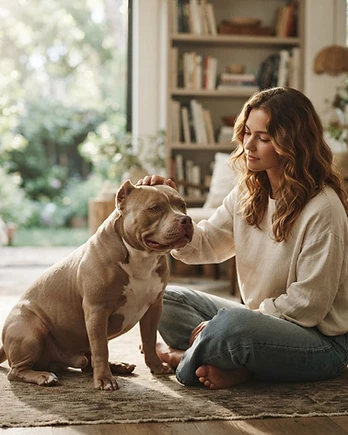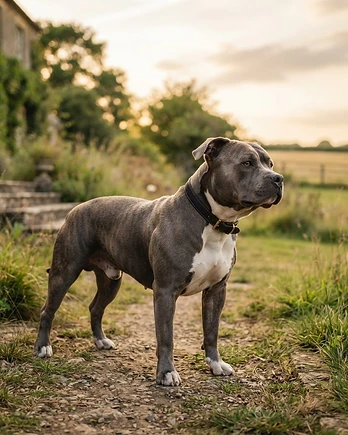
Owning an American Bully is one of the most rewarding experiences a dog lover can have. These dogs — with their broad, muscular frames, expressive eyes, and deeply loyal temperaments — give everything they have to the people they love. But that devotion deserves something in return: a lifetime of intentional, informed care that honors who they are at every stage.
Whether you're preparing for your first puppy or navigating the senior years with a dog you've raised since birth, this guide is built to be the only resource you'll ever need. We've organized it by life stage and care category, covering daily routines, age-appropriate exercise, coat and skin maintenance, home safety, seasonal adjustments, travel readiness, and long-term wellness habits — all written from the perspective of ethical, ABKC- and UKC-registered breeders who have dedicated our lives to this breed.
This is the hub of our full resource library — and throughout this article, you'll find links to deeper dives on every major topic. Bookmark this page. Share it. Come back to it. It's meant to grow with you and your Bully.
Understanding the American Bully: A Care-Focused Overview
Before diving into routines and checklists, it helps to understand what makes the American Bully's care needs unique. Developed in the 1980s and 90s from American Pit Bull Terrier and American Staffordshire Terrier foundation stock — with carefully selected influences from breeds like the American Bulldog — the American Bully was purpose-bred for companionship, stability, and physical presence.
The American Bully Kennel Club (ABKC) recognizes four size variants: Pocket (under 17" at the withers for males), Standard (17"–19"), Classic, and XL (over 20"). The United Kennel Club (UKC) officially recognized the breed in 2013. Each variant shares the same fundamental care requirements, though larger dogs like the XL Bully have proportionally greater joint health considerations.
Key physical characteristics that directly influence care:
- Short, low-maintenance coat — single or minimal undercoat, prone to skin sensitivities
- Brachycephalic-adjacent facial structure in some lines — can affect thermoregulation
- Heavy, compact musculature — requires age-appropriate exercise to protect developing joints
- Deep chest — elevates bloat (gastric dilatation-volvulus) risk, especially in XL variants
- Loose, expressive skin — wrinkle folds require regular cleaning
For a complete breed profile, see The Complete American Bully Breed Guide: Everything You Need to Know.
Bringing Your Puppy Home: The First Days
The transition from breeder to home is the most formative period in your puppy's life. Stress, improper handling, or environmental chaos during this window can create lasting behavioral and physiological imprints. Our guide to Bringing Your American Bully Puppy Home: The First 48 Hours covers the critical first two days in detail, but here are the foundational principles:
The First Week Setup
- Designated sleep space: A crate (30"–36" for Standard; 42"+ for XL) lined with a washable fleece blanket creates den security. Place a worn t-shirt from your home inside to introduce your scent before arrival.
- Water and food stations: Stainless steel bowls — not plastic — reduce bacterial load and minimize chin acne, a common issue in the breed. Use a raised feeding station once the puppy reaches 6+ months to reduce gulping-related bloat risk.
- Temperature control: Puppies under 12 weeks cannot self-regulate body temperature. Keep room temperature between 72–78°F.
- Puppy-proofing: Remove electrical cords, toxic houseplants (sago palm, philodendron, pothos), and small ingestible objects at floor level.
For a full room-by-room checklist, read our Bringing Home an American Bully Puppy: Your First-Week Checklist.


A young American Bully puppy explores a safe indoor environment during the critical socialization period, demonstrating the importance of positive early exposures for developing a stable, confident adult temperament.
Early Socialization: The Critical Window (3–16 Weeks)
The socialization window closes around 16 weeks. What your puppy encounters — or doesn't encounter — during this period shapes their neurological baseline for life. Systematic, positive-reinforcement exposure to:
- People: men with beards, children, people in hats, uniforms, wheelchairs
- Sounds: traffic, thunderstorms (use desensitization recordings), vacuums, fireworks
- Surfaces: tile, grass, gravel, grates, stairs
- Animals: other dogs of varying sizes, cats if applicable
Aim for 3–5 novel, positive exposures per day during this window. Keep sessions brief (5–10 minutes) and reward heavily with high-value treats (freeze-dried chicken, beef liver). Flooding — overwhelming the puppy with stimuli — is counterproductive and can cause fear responses that persist into adulthood.
Daily Care Routines by Life Stage
Puppy (8 Weeks – 12 Months)
Feeding: 3 meals per day of a puppy-appropriate, large-breed formula with minimum 28% crude protein and 15–17% fat. Avoid overfeeding — American Bully puppies that grow too rapidly are at significantly higher risk for hip dysplasia and elbow dysplasia. Follow The Complete American Bully Nutrition Guide for macro ratios, caloric density, and AAFCO-compliant feeding standards.
Sleep: Puppies need 16–18 hours of sleep per day. Enforce nap times just as you would with a toddler — overtired puppies bite, bark, and have accidents.
Potty training: Take outside immediately after waking, after every meal, and every 60–90 minutes. Puppies gain full bladder control around 16–20 weeks. Expect 1–3 overnight trips until 12 weeks.
Mental stimulation: Kong stuffed with peanut butter (xylitol-free), lick mats, and sniff walks meet enrichment needs without overloading joints.
Adolescent (12 Months – 2 Years)
This stage is the most challenging for many owners. Testosterone and estrogen surges (even in spayed/neutered dogs) affect impulse control. Continue obedience training using positive reinforcement — force-based corrections during this period can increase reactive behavior in guardian-bred lines.
Transition to adult feeding: 2 meals per day, 26–30% crude protein, 12–16% fat. Monitor body condition score (BCS) on the 1–9 scale — American Bullies should sit at BCS 5 (ribs palpable but not visible).
Adult (2 – 7 Years)
The American Bully reaches full physical maturity between 18 months (Pocket) and 3 years (XL). Adult care is largely about consistency: maintaining weight, dental hygiene, skin and coat health, and annual veterinary wellness exams.
For first-time owners navigating the adult care phase, The First-Time American Bully Owner's Complete Guide is an excellent companion resource.
Senior (7+ Years)
American Bullies typically enter the senior phase around age 7 (earlier for XL variants, who age faster due to their size). Watch for:
- Reduced activity tolerance
- Weight gain (metabolism slows 20–30% in senior dogs)
- Stiffness after rest — may indicate osteoarthritis, hip dysplasia, or degenerative joint disease
- Increased water intake — can signal kidney disease or diabetes mellitus
- Cognitive changes: disorientation, altered sleep-wake cycles, reduced responsiveness
Transition to a senior-formula food lower in phosphorus to support renal function. Add omega-3 fatty acids (EPA/DHA from fish oil) at 20–55 mg/kg body weight daily for joint and cognitive support. Glucosamine and chondroitin sulfate supplementation at veterinary-recommended doses can slow cartilage degradation.
Biannual veterinary exams replace annual ones at this stage. Comprehensive senior bloodwork panels (CBC, chemistry, urinalysis, thyroid panel) should be run every 12 months.
Exercise: Age-Safe Activity and Joint Care
Exercise is essential for the American Bully's physical and psychological wellbeing — but it must be age-appropriate. Over-exercising a puppy before growth plates close (typically 12–18 months, later in XL) causes permanent joint damage. Under-exercising an adult leads to obesity, destructive behavior, and cardiovascular decline.
The 5-Minute Rule for Puppies
A widely used veterinary guideline: 5 minutes of structured exercise per month of age, twice daily. A 3-month-old puppy should receive no more than 15 minutes of on-leash walking twice per day. Off-leash free play in a safely fenced area is acceptable in shorter bursts.
Avoid until 12–18 months:
- Jogging or running on hard surfaces
- Repetitive jumping (on/off furniture, agility obstacles)
- Weight pulling or resistance training
- Stairs in excess during the 8–16 week window
Adult Exercise Needs
Healthy adult American Bullies need 45–90 minutes of moderate exercise daily, split across two sessions. Best activities:
- Structured on-leash walks (mental stimulation + physical conditioning)
- Fetch in a secure yard (high-intensity burst exercise)
- Swimming — low-impact, exceptional for cardiovascular fitness
- Flirt pole work — 5–10 minute sessions, high reward
For detailed protocols including weight-bearing progressions and conditioning programs, read our American Bully Exercise Guide: Age-Safe Activity & Joint Care.

A muscular adult American Bully jogs through a grassy yard during a morning exercise session, highlighting the importance of daily physical activity and joint-safe conditioning protocols for maintaining optimal canine health.
Joint Health and OFA Testing
Hip dysplasia prevalence in the American Bully is estimated at 20–24% across the broader bully breed population. Responsible breeders screen breeding pairs using OFA (Orthopedic Foundation for Animals) hip and elbow evaluations, PennHIP distraction index measurements, and cardiac assessments. When you adopt from an ethical breeder, ask for OFA clearances on both parents. Learn about our breeding program and the health testing we conduct on every pairing.
Grooming: Coat, Skin, Ears, Nails, and Teeth
Coat and Skin Care
The American Bully's short, glossy coat requires minimal brushing — a rubber curry brush or grooming mitt once or twice per week removes dead hair and stimulates sebaceous gland circulation for natural shine. Bathing every 4–6 weeks with a hypoallergenic, pH-balanced canine shampoo (4.5–7.5 pH) prevents stripping the skin's acid mantle.
American Bullies are disproportionately prone to atopic dermatitis, environmental allergies, and Demodex (demodectic mange). Signs include:
- Pruritus (itching), erythema (redness), lichenification (skin thickening)
- Patchy alopecia (hair loss)
- Secondary bacterial pyoderma (hot, moist skin lesions)
If you notice any of these signs, a veterinary dermatology workup — including skin scraping for mites, cytology for yeast and bacteria, and allergen panel testing — is warranted before starting any treatment.
Wrinkle care: Dogs with pronounced facial or body folds (common in Classic and XL variants) should have folds cleaned every 2–3 days using fragrance-free pet wipes or a dilute chlorhexidine solution. Dry thoroughly — moisture trapped in folds breeds Malassezia yeast and Pseudomonas bacterial infections.
Ear Care
Crop or natural-eared, American Bullies accumulate cerumen (ear wax) and debris. Inspect ears weekly. Clean monthly (or after swimming) using a veterinarian-approved ear cleaner with a drying agent. Signs of otitis externa: head shaking, odor, brown/black discharge, pawing at ears. Chronic otitis often has an allergic underpinning — address the root cause, not just the symptom.
Nail Care
Nails should be trimmed every 3–4 weeks. Overgrown nails alter gait mechanics and place abnormal stress on the carpus and tarsus. Use a guillotine or scissor-style trimmer for thick bully nails. The quick (vascular core) extends further in dark nails — trim in small increments (1–2mm) and keep styptic powder nearby. Dremel grinding tools are excellent for dogs sensitive to clipping pressure.
Dental Hygiene
Dental disease affects an estimated 80% of dogs by age 3 and is directly linked to cardiac, renal, and hepatic disease via bacteremia. Daily toothbrushing with enzymatic pet toothpaste (avoid human toothpaste — the xylitol and fluoride are toxic) is the gold standard. Alternatives and adjuncts: dental chews (VOHC-approved), water additives, and raw meaty bones (under supervision only).
Annual professional dental cleanings under anesthesia are recommended from age 2–3 onwards for most American Bullies.
Home and Yard Safety
Indoor Safety
- Temperature: American Bullies, particularly those with broader skull morphology, are heat-sensitive. Keep indoor temperature at or below 78°F during warm months. Signs of hyperthermia: excessive panting, drooling, bright red gums, disorientation.
- Toxic substances: Common household toxins include xylitol (sugar-free gum, peanut butter), grapes and raisins, onions, macadamia nuts, chocolate (theobromine toxicity), NSAIDs (ibuprofen, naproxen), and certain essential oils (tea tree, eucalyptus).
- Furniture and falls: Despite their muscular appearance, Pocket and Standard Bullies can injure themselves jumping from heights above 36". Use pet stairs or ramps for couches and beds.
Yard Safety
- Fencing: Minimum 5-foot privacy fence for Standard and above; 4 feet for Pocket. American Bullies are not typically escape artists, but adolescent males can be determined.
- Toxic plants: Azalea, oleander, sago palm, autumn crocus, and black walnut (hulls) are highly toxic. Audit your yard against the ASPCA's toxic plant database.
- Heat management: Provide shade at all times. Fresh water must be available outdoors. Never leave a Bully in a parked vehicle — cabin temperatures can exceed 120°F within 20 minutes on an 80°F day.
- Pool safety: Despite their density, some American Bullies can swim. However, their heavy, front-weighted build makes swimming exhausting and re-entry onto pool steps difficult. Install pool fencing or use a life vest during supervised swim sessions.
Seasonal Care
Summer
The American Bully's heat sensitivity is the primary summer concern. Exercise before 8 AM or after 7 PM when pavement temps drop below 100°F (the benchmark test: press your bare hand to the pavement for 7 seconds — if it's too hot for your hand, it's too hot for paws). Signs of heat exhaustion require immediate veterinary attention.
Flea and tick prevention should be maintained year-round in Texas but is especially critical May–October. Heartworm preventive (monthly oral or 6-month injectable ProHeart) is non-negotiable given Austin's year-round mosquito activity.
Winter
Short-coated breeds lose body heat rapidly. Below 45°F, outdoor sessions should be limited and a dog coat or vest used for Pocket variants especially. Salt and chemical ice melts on sidewalks cause paw pad chemical burns and can be toxic if ingested during self-grooming — rinse paws after every winter walk.
Joint stiffness in senior Bullies often worsens in cold, damp weather. Orthopedic memory foam beds off the cold floor make a meaningful difference in comfort and mobility.
Spring and Fall
Seasonal allergic rhinitis and atopic dermatitis flares are most common in March–May and September–October in Central Texas. Pre-emptive antihistamine use (cetirizine 0.5–1 mg/kg daily, veterinarian-confirmed) and omega-3 supplementation can reduce severity. Spring is also prime rattlesnake season in the Austin Hill Country — know the location of your nearest emergency veterinary clinic.
Travel With Your American Bully
Car Travel
Crate-train your Bully for vehicle travel — a loose 80-pound dog becomes a projectile in a collision. Crash-tested crates (Center for Pet Safety certified) or safety harnesses attached to seatbelt anchors are the two safest options. Never allow your dog to ride in the bed of a pickup truck.
For longer trips (4+ hours), plan rest stops every 2 hours for water, toileting, and brief walks. Avoid feeding a large meal within 2 hours of travel to reduce motion sickness and bloat risk.
Air Travel
Most major carriers prohibit snub-nosed breeds in the cargo hold due to respiratory risk — and while the American Bully is not technically brachycephalic, some lines with compressed muzzle morphology may face restrictions. Verify with the airline's breed policy before booking. Cabin travel requires an airline-approved soft carrier — realistic only for Pocket Bullies under 20 pounds.
Hotels and Lodging
Verify breed restrictions before booking — some insurers and property managers maintain BSL (breed-specific legislation) exclusion lists that include the American Bully or pit bull-type breeds. Pack a familiar blanket, their regular food (avoid switching mid-trip), and their crate for sleep security in unfamiliar environments.
Lifelong Wellness: Veterinary Care and Preventive Health
Vaccination Schedule
| Age | Core Vaccines | |---|---| | 6–8 weeks | DA2PP (Distemper, Adenovirus, Parvovirus, Parainfluenza) | | 10–12 weeks | DA2PP booster, Leptospirosis | | 14–16 weeks | DA2PP booster, Rabies (1-year) | | 12–16 months | DA2PP booster, Rabies (3-year), Leptospirosis booster | | Every 3 years (adult) | DA2PP, Rabies; annual Lepto |
Bordetella (kennel cough) and canine influenza are recommended for dogs with boarding, dog park, or grooming exposure.
Parasite Control
- Heartworm: Monthly preventive (ivermectin-based products like Heartgard, or milbemycin oxime) starting at 8 weeks. Annual heartworm antigen test before prescription renewal.
- Fleas/Ticks: Isoxazoline-class products (Simparica Trio, NexGard, Credelio) provide broad spectrum coverage. Note: use with caution in dogs with a personal or family history of seizures — discuss with your veterinarian.
- Intestinal parasites: Fecal flotation exam 2x per year in adults. Puppies should be dewormed with pyrantel pamoate at 2, 4, 6, and 8 weeks.
Spay and Neuter Timing
Emerging research supports delayed gonadectomy in large and giant breeds. For American Bullies — particularly Standard and XL — many sports medicine veterinarians recommend waiting until 18–24 months to allow growth plate closure and full musculoskeletal maturation. Early spay/neuter has been associated with increased risk of cranial cruciate ligament rupture and certain osteosarcomas in large breeds. Discuss the timing with a veterinarian experienced in bully breeds.
For a comprehensive preventive health framework, read American Bully Wellness: A Complete Preventive Guide and The Complete American Bully Health Guide.
Key Takeaways
- American Bully puppies require the 5-minute rule for exercise until growth plates close at 12–18 months.
- Socialization between 3–16 weeks is the single highest-leverage investment you can make in your dog's temperament.
- Short coats mask skin health issues — inspect weekly and address atopic signs early.
- Heat sensitivity is a year-round consideration in Texas; never leave a Bully outdoors without shade and fresh water.
- OFA hip/elbow clearances on both parents are a non-negotiable marker of an ethical breeder.
- Senior care begins at age 7 — transition to biannual vet exams, senior nutrition, and joint supplementation.
- Dental disease is preventable: daily brushing from puppyhood sets the foundation for lifelong systemic health.
- Delayed spay/neuter (18–24 months) is increasingly supported in large-breed bullies for joint health outcomes.
Frequently Asked Questions
How much exercise does an American Bully need every day?
Adult American Bullies thrive with 45–90 minutes of moderate exercise split across two daily sessions. Puppies follow the 5-minute-per-month-of-age rule to protect developing joints. XL Bullies may need slightly less high-impact exercise due to greater joint stress from their body weight. Always monitor for signs of fatigue — excessive panting, lagging, or reluctance to continue are cues to stop. For detailed age-based protocols, see our American Bully Exercise Guide.
Are American Bullies good with children and other pets?
Yes — the American Bully was specifically bred for family companionship and is known for its gentle, patient temperament with children. Proper socialization during the critical window (3–16 weeks) dramatically improves adult behavior with other animals. As with any large, muscular dog, interactions with toddlers should always be supervised to prevent accidental knockdowns. Bullies raised alongside cats generally coexist peacefully, though prey drive varies by bloodline.
How often should I take my American Bully to the vet?
Puppies require visits at 8, 12, and 16 weeks for core vaccine series, deworming, and developmental assessment — plus a 6-month check-in. Adults should have annual wellness exams including a heartworm antigen test, fecal flotation, and comprehensive physical assessment. From age 7 onward, biannual exams with senior bloodwork (CBC, chemistry panel, urinalysis, thyroid) are the standard of care.
What are the most common health problems in American Bullies?
The most clinically significant health concerns include hip dysplasia and elbow dysplasia (linked to rapid growth and genetics), atopic dermatitis and food sensitivities, brachycephalic-related airway compromise in heavily typed dogs, congenital cardiac conditions (subaortic stenosis, pulmonic stenosis), hypothyroidism, and cerebellar ataxia in certain bloodlines. Ethical breeders screen for these conditions via OFA and breed health testing programs. Our Complete American Bully Health Guide covers each condition in full clinical detail.
How do I know if I'm buying from an ethical breeder?
Ethical American Bully breeders will: provide ABKC or UKC registration papers, share OFA health test results for both parents, offer a health guarantee in writing, allow you to visit or video-tour the facility, socialize puppies from birth, and never pressure you to purchase quickly. Red flags include no health testing, multiple litters always available, unwillingness to answer questions, and prices that seem too good to be true. For a comprehensive guide, read How to Find an Ethical American Bully Breeder: Red & Green Flags.
At what age is an American Bully fully grown?
American Bullies reach structural height maturity around 12–14 months but continue to fill out muscularly until 2–3 years of age (later for XL). Growth plate closure — the metric that governs exercise restrictions — typically occurs between 12 and 18 months depending on size variant. Males generally mature later than females. XL Bullies may not reach their full adult body weight until 36 months.
Your Bully Deserves the Best — We're Here to Help
Caring for an American Bully is a privilege. These dogs don't just tolerate your attention — they need it, thrive on it, and give back in ways that change your life. We've written this guide because every dog deserves an owner who knows what they're doing, and every owner deserves a breeder who sets them up for success.
If you're ready to bring an American Bully into your home, browse our available American Bully puppies — including Atlas, our Lilac Tri-Color male, Bowie, our Blue Tri male, Diesel, our Chocolate Tri male, Ella, our Lilac Tri female, and Hazel, our stunning Merle female. Each puppy is raised with intention, health-tested lineage, and early neurological stimulation.
Read through our adoption guide to understand our process, and don't hesitate to contact us with questions. We believe the relationship between breeder and owner doesn't end at pickup — it's the foundation of a lifetime of support.