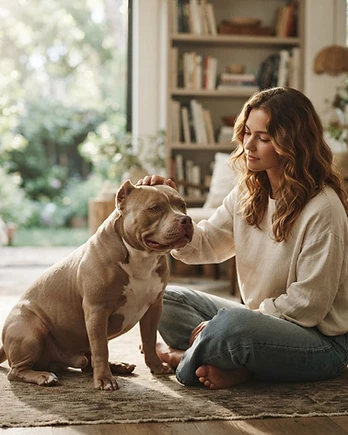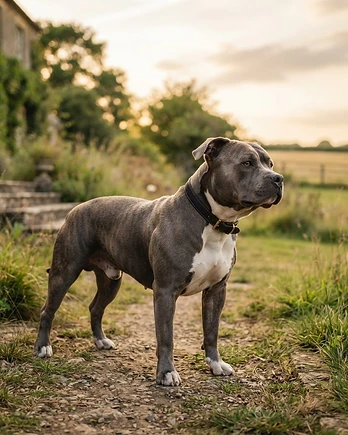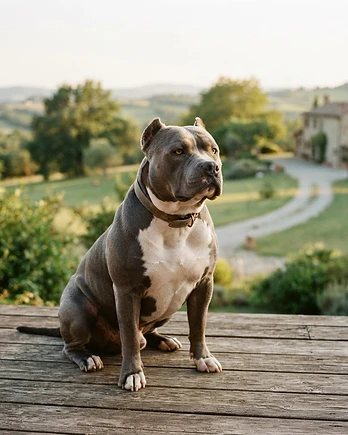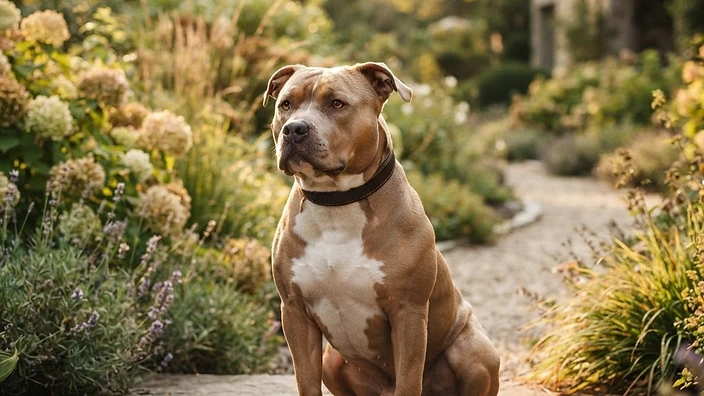
Few breeds inspire the kind of passionate devotion that the American Bully does. Walk into any room with one of these dogs — that broad chest, that confident stride, that face radiating pure joy at the sight of a human — and you understand immediately why families across the country are choosing the Bully as their companion of choice. They are simultaneously imposing and gentle, athletic and cuddly, loyal and sociable. They are, in a word, extraordinary.
At American Bully Haven Pups in Austin, Texas, we have dedicated ourselves to producing American Bullies that embody the breed at its finest: sound in structure, stable in temperament, and breathtaking in appearance. We are ABKC- and UKC-registered, and every breeding decision we make is informed by a deep understanding of the breed's history, genetics, and conformation standards. This guide is the product of that expertise — written for anyone who wants to truly understand the American Bully, from curious newcomers to seasoned enthusiasts.
Whether you are considering bringing home your first Bully, researching the breed's origins, or trying to decode coat color genetics, you have found the definitive resource. Bookmark it, share it, and return to it as often as you need. Let's dive in.
Key Takeaways
- The American Bully is a purpose-bred companion dog developed in the United States in the late 1980s and 1990s.
- There are four ABKC-recognized size classes: Pocket, Standard, Classic, and XL — each with distinct height parameters and visual characteristics.
- The breed is celebrated for its exceptional temperament: confident, gentle, loyal, and highly sociable with children and families.
- The ABKC and UKC are the primary registration bodies; the breed is NOT recognized by the AKC.
- Coat color genetics in the American Bully are among the most complex in the canine world, producing tri-colors, merles, lilacs, and more.
- Influential bloodlines include Razor's Edge, Gottiline, Remyline, and Gaff, among others.
- Health testing — including OFA hip and elbow evaluations — is a hallmark of ethical breeding programs.
- The American Bully is not the same breed as the American Pit Bull Terrier, American Staffordshire Terrier, or English Bulldog.
Origin and History of the American Bully
The American Bully is a relatively young breed, formally developed in the United States between the late 1980s and mid-1990s, primarily on the East Coast and West Coast. The breed's principal architect is widely credited as Dave Wilson of Razors Edge Kennels in the Washington, D.C. area, though breeders across Virginia, California, and New York contributed significantly to its early development.
The foundational stock was predominantly the American Pit Bull Terrier (APBT) and the American Staffordshire Terrier (AmStaff), both of which trace their ancestry to the bull-and-terrier crosses of 19th-century England. Early Bully breeders selectively intensified the blocky, compact, heavily muscled physical traits that occasionally appeared in APBT lines while simultaneously selecting away from the high-drive, gameness-oriented temperament that defined working APBT dogs. The goal was explicit: create the ultimate family companion — a dog with a powerful, visually commanding physique and an irreproachably gentle, human-loving disposition.
To achieve the exaggerated compact structure that distinguishes Bully-type dogs, early breeders carefully introduced genetics from English Bulldogs, Staffordshire Bull Terriers, and in some XL lines, the American Bulldog. These crosses contributed the wider chest, shorter muzzle, more pronounced stop, and heavy bone density that characterize the modern American Bully. It is worth noting that responsible breeders avoided excessive exaggeration that would compromise health — a principle that ethical programs like ours still uphold today.
The American Bully Kennel Club (ABKC) was founded in 2004 by Dave Wilson and Carlos Barksdale, providing the breed with its first formal registry, written conformation standard, and structured show circuit. The United Kennel Club (UKC) recognized the American Bully as a distinct breed in 2013, further legitimizing its status in the broader dog fancy. Today, the breed enjoys a global following, with active communities in Europe, Asia, South America, and Australia.
For a deeper dive into breed development across different eras and regional interpretations, explore our full resource library.
The Four ABKC Size Varieties
One of the most common sources of confusion about the American Bully is understanding its size classes. The ABKC recognizes four distinct varieties, differentiated primarily by height at the withers (shoulder). All four share the same breed standard for structure, type, and temperament — size is the primary differentiator.

A visual comparison of the four American Bully varieties — Pocket, Standard, Classic, and XL — illustrating the differences in height at the withers, body mass, and overall structure while demonstrating consistent breed type across all four classes.
Pocket Bully
The Pocket Bully is the smallest recognized variety. Males measure under 17 inches at the withers (no shorter than 14 inches); females measure under 16 inches (no shorter than 13 inches). Despite the name, Pocket Bullies are not small dogs in terms of body mass — they carry extraordinary muscle and bone density relative to their height, giving them a remarkably powerful appearance in a compact frame.
Pocket Bullies are enormously popular with urban apartment dwellers who want the full Bully experience in a slightly more manageable footprint. They are energetic, playful, and equally capable on the show floor. Expect weight ranges of roughly 30–50 pounds in well-bred examples, though heavily structured dogs may exceed this.
Standard Bully
The Standard Bully is the baseline variety — the reference point from which all other classes are measured. Males stand 17 to 20 inches at the withers; females stand 16 to 19 inches. The Standard presents the quintessential Bully silhouette: substantial bone, pronounced musculature, broad head with a well-defined stop, wide chest, and a compact, well-sprung rib cage.
Typical weight for a well-structured Standard Bully ranges from 50 to 80 pounds, though this varies significantly with individual build and sex. The Standard is the most competitively active class in ABKC shows and represents the breed in its most balanced expression.
Classic Bully
The Classic Bully is often the least understood variety. It shares the same height parameters as the Standard but carries a lighter body frame and less overall body mass. Think of it as a Bully with a more athletic, less exaggerated build — closer in silhouette to the American Pit Bull Terrier or AmStaff but still clearly Bully in type.
The Classic was formally recognized to honor dogs that displayed correct Bully temperament and movement but lacked the extreme muscle and bone mass of the Standard. Many buyers seeking an active, agile companion appreciate the Classic's more moderate build, which often supports joint health and longevity. Weight typically ranges from 40 to 70 pounds.
XL Bully
The XL Bully is the largest variety. Males stand over 20 inches at the withers (up to approximately 23 inches); females stand over 19 inches (up to approximately 22 inches). Everything about the XL is scaled up — the head, the chest, the bone, the overall mass. A well-built XL male can weigh 80 to 150+ pounds while still moving with surprising fluidity and athleticism.
XL Bullies have captured significant attention in popular culture and on social media. It is important to note that in ethical programs, XL size is achieved through deliberate lineage selection — not through the introduction of Mastiff or other molosser genetics, which would disqualify a dog from registration and misrepresent the breed.
| Variety | Male Height | Female Height | Approx. Weight | |---------|-------------|----------------|----------------| | Pocket | 14"–<17" | 13"–<16" | 30–50 lbs | | Standard | 17"–20" | 16"–19" | 50–80 lbs | | Classic | 17"–20" | 16"–19" | 40–70 lbs | | XL | >20"–23" | >19"–22" | 80–150+ lbs |
For more detailed exploration of each variety across different developmental stages, see our Complete American Bully Breed Guide resources.
Temperament: The Heart of the Breed
If structure is what draws people to the American Bully, temperament is what makes them stay. The breed standard explicitly identifies the American Bully's temperament as its most important characteristic — and with good reason. A correctly bred American Bully is:
- Outgoing and confident without being aggressive
- Deeply people-oriented, forming powerful bonds with every member of the household
- Exceptionally gentle and patient with children, earning the breed a well-deserved reputation as a "nanny dog" in modern families
- Sociable with strangers when properly socialized — not a guard dog by nature
- Energetic and playful, but capable of calm, settled behavior indoors
- Highly trainable due to strong food motivation and desire to please
Aggression toward humans is considered a serious fault under the ABKC standard and is grounds for disqualification in the show ring. This is not merely a competition technicality — it reflects the foundational mission of the breed. American Bullies were purpose-bred to be companions, not protection dogs, and generations of selective pressure toward human affinity have produced a dog that is, in most cases, incapable of unprovoked aggression toward people.
Dog-to-dog sociability varies by individual and bloodline. While many American Bullies coexist peacefully with other dogs, the breed carries terrier heritage that can occasionally manifest as same-sex dog selectivity. Early, positive socialization beginning at 3–5 weeks (during the critical socialization window) and continuing through adolescence significantly mitigates this tendency.
ABKC Conformation Standard: Structure and Type
The ABKC breed standard is the governing document for American Bully conformation. Understanding it is essential for evaluating breeding stock and appreciating the difference between a well-bred Bully and an untypical specimen.
Head
The ideal American Bully head is large, broad, and blocky with a pronounced stop (the transition between the skull and muzzle). The skull is wide between the cheeks (zygomatic arches), and the muzzle is medium in length, broad, and deep. The bite should be scissor or level. Undershot or overshot bites beyond a small degree are faulted.
Neck and Topline
The neck is heavy, muscular, and slightly arched, blending cleanly into well-laid-back shoulders. The topline (the dog's back from withers to tail base) should be level to slightly sloping, firm and strong in motion.
Body
The chest is broad, deep, and well-filled, with well-sprung ribs and a defined forechest (prosternum). The back is short, strong, and muscular. The loin is short and slightly tucked. The overall body is compact and substantial — the dog should feel dense and powerful in the hand.
Forequarters and Hindquarters
Shoulder blades are well-laid-back (approximately 45 degrees) and muscular. The front legs are straight, heavy-boned, and wide-set. Pasterns are slightly sloping. The rear is well-angulated with broad, muscular thighs. Cowhocks and sickle hocks are faulted.
Movement
Gait is confident, powerful, and efficient — smooth and ground-covering with strong drive from the rear. Paddling, crabbing, or stilted movement indicates structural faults.
Coat and Skin
The coat is short, close, stiff to the touch, and glossy. All coat colors and patterns are accepted under the ABKC standard — there are no disqualifying colors. Skin is tight and elastic, free from excessive wrinkle except in the face.
For the full discussion of how conformation relates to long-term health and wellness, read The Complete American Bully Care Guide.

A collection of American Bully puppies showcasing the breed's extraordinary range of coat colors and patterns, including lilac tri-color, blue tri-color, merle, and chocolate tri-color, each produced through specific combinations of genes at the A, B, D, K, M, and S loci.
Coat Colors and Genetics
The American Bully's color palette is one of the most dazzling in the canine world, and understanding the genetics behind those colors adds another layer of appreciation for the breed.
Base Colors
All canine coat color is built on two base pigments: eumelanin (black/brown) and phaeomelanin (red/yellow). The genes that modify these pigments produce the full spectrum of Bully colors.
Common Colors and Patterns
- Black — dominant eumelanin expression; a classic, rich base color
- Blue — dilution of black via the MLPH (dilution) gene (dd genotype); produces the steel-gray to slate coloration
- Chocolate/Brown — recessive brown (bb genotype) at the B locus; rich mahogany to liver tones
- Lilac — double dilution: both blue (dd) AND chocolate (bb); a stunning silver-lavender color becoming increasingly popular
- Fawn and Red — phaeomelanin-based; range from pale cream to deep red-mahogany
- Brindle — striping pattern caused by the K locus (kbr allele); black or blue stripes over a fawn/red base
- Tri-Color — expression of tan points via the atat genotype at the A locus (agouti), combined with any base color; produces the characteristic tan markings above the eyes, on the muzzle, chest, and legs
- Merle — caused by the PMEL17 (M locus) merle gene; creates mottled, marbled patterning by randomly diluting patches of eumelanin
- Piebald/Pied — white spotting caused by the S locus (MITF gene); produces large white patches
- Ghost/Reverse Tri — subtle tan-point expression under dilute or merle patterns
A Note on Double Merle
Merle-to-merle breeding (MM × MM) produces double merle (MM) puppies at a statistical rate of 25%. Double merle dogs face a high risk of ocular and auditory defects, including microphthalmia (small, malformed eyes), anophthalmia, and congenital deafness. Ethical breeders — including our program — never breed merle to merle. DNA color panel testing through laboratories such as Embark Veterinary or UC Davis is standard practice in responsible programs.
Our stunning Hazel — Merle Female American Bully puppy exemplifies responsible merle breeding: vibrant, correctly patterned, and produced from a non-merle partner. Similarly, Atlas — Lilac Tri-Color Male American Bully puppy and Ella — Lilac Tri Female American Bully puppy showcase the breathtaking double-dilute tri-color expression that results from careful, planned pairings.
For bold, classic tri expression, meet Bowie — Blue Tri Male American Bully puppy and Diesel — Chocolate Tri Male American Bully puppy — two exceptional examples of the tri-color pattern at its finest.
Influential Bloodlines
Bloodline knowledge is the language of serious American Bully breeders. Each foundational line contributed distinct traits that continue to shape the breed today.
Razor's Edge
Founded by Dave Wilson, Razor's Edge is arguably the most influential bloodline in American Bully history. Razor's Edge dogs were known for their wide, blocky heads, extreme muscle, calm temperaments, and short, compact bodies. Nearly every American Bully alive today carries some percentage of Razor's Edge genetics.
Gottiline
Produced by Richard Barajas of West Side Kennels around the dog Juan Gotty, the Gottiline contributed the extreme wide, low, and heavily boned phenotype now associated with Classic and XL varieties. Gotty himself sired over 1,000 offspring and shaped entire generations of Bully breeding.
Remyline
Founded by Fabian Chichester, Remyline became synonymous with athletic, well-proportioned Bullies with excellent movement and strong heads. Remyline dogs were known for producing consistent type across generations.
Gaff
Gaff (bred by Tha Gaff Kennels) contributed significantly to the XL variety, producing dogs of extreme size and bone while maintaining correctness of type.
Kurupt Bloodline
The Kurupt line, known primarily through dogs like Kurupt Muzik, became highly influential in producing the tri-color and exotic color combinations now prevalent in the breed, contributing heavily to the color genetics explosion of the 2010s.
Other Notable Lines
- Dax (producing extreme compact Pocket types)
- Miagi (known for aesthetic heads and color)
- Camelot (strong athleticism and temperament)
For deeper reading on bloodline history and how different lineages affect what you should expect from a puppy, visit our Complete American Bully Breed Guide series.
Registration Bodies: ABKC, UKC, and Beyond
Understanding registration is critical when evaluating breeders and puppies.
ABKC (American Bully Kennel Club)
Founded in 2004, the ABKC is the primary and most widely recognized registry for the American Bully. It maintains the official breed standard, sanctions conformation shows, and issues pedigree registration papers. ABKC registration requires both sire and dam to be registered, with litter applications submitted within specific timeframes.
UKC (United Kennel Club)
The UKC recognized the American Bully in 2013 and maintains its own breed standard (closely aligned with the ABKC). UKC offers performance events in addition to conformation showing, providing Bully owners with additional competitive venues.
Extreme Registry / Other Registries
Several smaller registries — including the Extreme Bully Registry (EBR) and various international bodies — exist, but the ABKC and UKC are the gold standard. Beware of puppies registered only with obscure or self-created registries, which offer no breed standard accountability.
What Registration Does NOT Guarantee
Registration confirms parentage documentation — it does not guarantee health, temperament, or quality. Only health testing (OFA hip evaluations, cardiac screening, BAER hearing tests for merles) and a track record of ethical breeding provide that assurance. Learn more about our commitment to health and ethics on our about our breeding program page.
American Bully vs. Related Breeds: Key Distinctions
The American Bully is frequently confused with related breeds. Here is a clear comparison:
| Feature | American Bully | American Pit Bull Terrier | American Staffordshire Terrier | English Bulldog | |---|---|---|---|---| | Primary Purpose | Companion | Working/Sport | Show/Companion | Companion | | Build | Heavily muscled, wide, compact | Athletic, lean, agile | Moderate muscle, athletic | Wide, low, wrinkled | | Head | Broad, blocky | Wedge-shaped | Broad, rounded | Very wide, deeply wrinkled | | Temperament | Extremely human-friendly | High-drive, loyal | Confident, trainable | Calm, stubborn | | ABKC Recognition | Yes | No | No | No | | AKC Recognition | No | No | Yes | Yes | | Typical Weight | 30–150+ lbs | 35–65 lbs | 40–70 lbs | 40–55 lbs |
The American Bully is its own distinct breed — not a "type" of Pit Bull, not a Staffie, and not a Bulldog. This distinction matters legally in BSL (breed-specific legislation) jurisdictions and practically when assessing temperament, exercise needs, and health screening requirements.
For more context on how the American Bully compares across multiple dimensions, see our breed guide companion resources.
Health Considerations and Ethical Breeding Standards
The American Bully is generally a robust breed, but responsible breeders proactively screen for known heritable conditions:
- Hip Dysplasia: Evaluated via OFA (Orthopedic Foundation for Animals) radiographs; recommended for all breeding stock. The ABKC encourages OFA testing as a hallmark of responsible breeding.
- Elbow Dysplasia: OFA elbow evaluation recommended, particularly in heavier-structured dogs.
- Cardiac Disease: Congenital heart defects (pulmonic stenosis, aortic stenosis) have been documented; cardiac auscultation or echocardiography is advised.
- Brachycephalic Obstructive Airway Syndrome (BOAS): Dogs with extreme shortening of the muzzle may experience respiratory compromise. Ethical breeding prioritizes muzzle length adequate for unrestricted breathing.
- Skin Conditions: Ichthyosis, demodectic mange susceptibility, and environmental allergies are seen in some lines; DNA testing for ichthyosis is available.
- BAER Testing: Mandatory for merle-patterned dogs to screen for congenital deafness.
Our breeding program adheres to OFA testing protocols and DNA health screening as baseline requirements. See The Complete American Bully Care Guide for a full overview of health management from puppyhood through senior years.
Frequently Asked Questions
Is the American Bully the same as a Pit Bull?
No. While the American Bully was developed using American Pit Bull Terrier genetics as a foundation, it is a distinct breed recognized separately by the ABKC and UKC. The American Bully was selectively bred for a more compact, heavily muscled body and a specifically companion-oriented temperament, differentiating it structurally and functionally from the APBT. Calling an American Bully a "Pit Bull" is akin to calling a Labrador Retriever a "Spaniel" — related, but categorically different.
Are American Bullies good with children?
American Bullies are widely regarded as one of the best family dogs available. The breed's temperament standard explicitly calls for extreme gentleness and high tolerance, and well-bred individuals typically display extraordinary patience with children of all ages. As with any breed, supervision is always recommended between dogs and young children, and early socialization maximizes the dog's comfort in family environments. Families with children consistently rank the American Bully among their most beloved companions.
How much does an American Bully puppy cost?
Pricing varies significantly based on variety, pedigree, coat color, and the reputation of the breeding program. Pet-quality American Bully puppies from ABKC/UKC-registered programs typically range from $2,000 to $5,000. Show-prospect and exotic-color puppies (lilac tri, merle, champagne tri) from elite bloodlines can range from $5,000 to $15,000 or more. Extremely low prices (under $1,000) from unregistered sources are a red flag for poor health screening, undocumented pedigrees, and unethical practices. Invest in quality — it pays dividends in health and temperament for the dog's entire life.
What is the lifespan of an American Bully?
Well-bred American Bullies typically live 10 to 13 years with proper care, nutrition, and veterinary attention. Smaller varieties (Pocket, Classic) tend toward the higher end of that range, while XL dogs may have slightly shorter lifespans due to the cardiovascular demands of greater body mass. Health testing of breeding parents, appropriate weight management, regular veterinary care, and a high-quality diet all contribute meaningfully to longevity.
Do American Bullies require a lot of exercise?
American Bullies are moderately active dogs. They benefit from 45–60 minutes of daily exercise, which can include leash walks, play sessions, and structured training activities. They are not marathon runners — their compact, muscular build is better suited to shorter bursts of activity than endurance exercise. Brachycephalic considerations mean that exercise in extreme heat should be limited and monitored. Mental stimulation through training and enrichment activities is equally important for this intelligent breed.
What does ABKC registration mean for a breeder?
ABKC registration means the breeder's dogs are entered in the American Bully Kennel Club's official registry with documented pedigrees traceable to registered ancestors. It signals that the breeder has agreed to maintain breed standards and submit accurate litter records. ABKC-registered breeders can participate in sanctioned conformation events, which provides external accountability for their breeding stock's quality and type. Paired with health testing and transparent breeding practices, ABKC registration is a meaningful marker of program credibility.
Ready to Find Your American Bully?
If this guide has deepened your appreciation for the American Bully — and we believe it will — the natural next step is exploring what a life with one of these extraordinary dogs looks like for your family. We invite you to browse our available American Bully puppies, review our adoption guide to understand our process, and learn more about our breeding program and the values that guide every pairing we make.
For more in-depth reading on specific aspects of the breed, explore the full resource library — including our complete series on American Bully breed essentials and ownership guidance from puppyhood through senior years.
Have questions that this guide didn't answer? We would love to hear from you. Contact us directly — we respond personally to every inquiry, because finding the right dog for your family is a conversation worth having.