Bringing an American Bully into your home is one of the most rewarding decisions a dog lover can make. These dogs — developed from American Pit Bull Terrier and American Staffordshire Terrier foundation stock and refined into a distinct breed recognized by both the American Bully Kennel Club (ABKC) and the United Kennel Club (UKC) — are athletic, affectionate, and deeply loyal. They are also a breed with specific care requirements that, when met thoughtfully, produce a dog that thrives physically and emotionally for 10–13 years.
This guide is the most comprehensive American Bully care resource we've written at American Bully Haven Pups. Whether you're preparing for a new puppy, navigating adolescence, or supporting an aging companion, every section here is built from real breeder experience, veterinary best practices, and the standards set by the ABKC and UKC. We've raised and placed dozens of American Bullies in Austin and across Texas, and we've poured everything we've learned into these pages.
Use this as your living reference — bookmark it, share it with your vet, return to it at each life stage. And if you're just beginning your journey, explore our adoption guide and about our breeding program to understand the ethical foundation behind every puppy we place.
Key Takeaways
- American Bullies thrive on structured daily routines that balance exercise, mental stimulation, rest, and social connection.
- Exercise must be age-appropriate — puppies under 12 months need low-impact activity to protect developing growth plates.
- A high-protein, breed-appropriate diet (28–30% crude protein for active adults) with AAFCO-compliant formulas supports muscle mass and joint health.
- Short-coated but not maintenance-free — regular grooming, ear cleaning, nail trims, and dental care are non-negotiable.
- OFA health testing of parent dogs, combined with proactive vet care, dramatically reduces risk of hip dysplasia, elbow dysplasia, and cardiac issues.
- Home and yard safety, seasonal acclimatization, and travel preparation are often overlooked but critically important for this breed.
- Senior Bullies (7+ years) need adjusted nutrition, joint support, and more frequent veterinary monitoring.
Understanding the American Bully Before You Begin
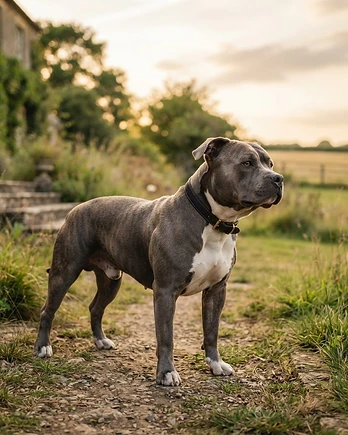
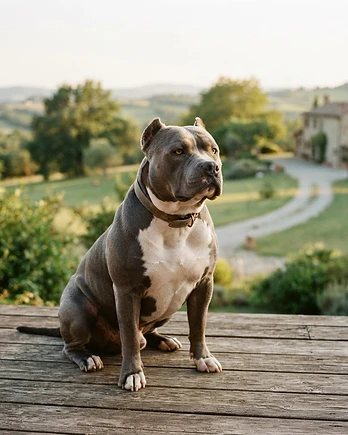
Before diving into daily care protocols, it helps to understand the breed's physical and temperamental architecture. The American Bully is a medium-to-large, heavily muscled, compact breed with four size classes recognized by the ABKC: Pocket (under 17" at the withers for males), Standard (17–20"), Classic (same frame as Standard but lighter body), and XL (over 20"). Each size class carries slightly different exercise tolerances and caloric needs.
The breed's brachycephalic-adjacent anatomy — a broad, blocky skull and wide jaw — means some lines carry mild airway sensitivity, particularly in extreme heat or during heavy exertion. Their muscular, low-to-the-ground build puts meaningful stress on hips, elbows, and stifles over a lifetime, making joint health a priority from day one.
Temperamentally, the American Bully is people-oriented and stimulus-sensitive — they form deep bonds, are highly trainable, and can develop anxiety or destructive behavior when under-stimulated or under-socialized. Understanding this from the start shapes every care decision you make.
For a deeper dive into breed history, conformation standards, and bloodline characteristics, read The Complete American Bully Breed Guide: Everything to Know.
Puppyhood Care (8 Weeks – 6 Months)
Bringing Your Puppy Home
The transition from breeder to home is a critical developmental window. At 8 weeks, your American Bully puppy's primary socialization period (3–12 weeks) is still active. Every positive experience now — different surfaces, sounds, people, and gentle handling — builds the confident temperament the breed is known for.
First 48 hours: Keep the environment calm. Introduce the crate as a safe den (never a punishment space), establish the sleeping area, and begin feeding on a consistent schedule — typically 3 meals per day of a puppy-formulated, large-breed kibble with at least 28% crude protein and a named animal protein as the first ingredient.
Vaccination and deworming: Your puppy should arrive with their first DHPP (Distemper, Hepatitis, Parvovirus, Parainfluenza) combination vaccine administered at 6–8 weeks. Follow your veterinarian's booster schedule through 16 weeks, followed by a rabies vaccine. Core vaccines every 3 years thereafter align with current AAFCO and AVMA guidelines.
Puppy Exercise: Protecting Growth Plates
One of the most common mistakes new Bully owners make is over-exercising young puppies. The growth plates (epiphyseal plates) in an American Bully's long bones don't fully close until 12–18 months, depending on size class. High-impact repetitive activity — long runs, jumping, stair climbing — before closure increases the risk of osteochondrosis dissecans (OCD), angular limb deformities, and early-onset hip dysplasia.
Safe puppy exercise guidelines:
- 5 minutes of structured exercise per month of age, twice daily (e.g., a 4-month-old gets two 20-minute sessions)
- Focus on free play, short leash walks on soft surfaces, and mental enrichment (sniff walks, puzzle feeders, basic obedience)
- Avoid repetitive fetch, forced jogging, or jumping onto/off furniture until 12+ months
Early Socialization and Training
Begin reward-based obedience training immediately — sit, down, stay, loose-leash walking, and "leave it" are foundations. American Bullies are food-motivated and highly responsive to positive reinforcement. Enroll in a puppy kindergarten class by 10–12 weeks (after second vaccine) to accelerate socialization.
Expose your puppy to: children of varying ages, men and women with different appearances, other vaccinated dogs, vehicles, grooming tools, and veterinary handling. Desensitization during this window pays dividends for the dog's entire life.

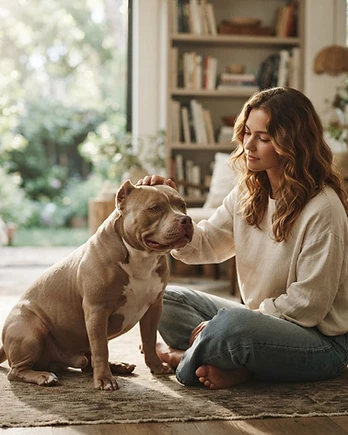
A young American Bully puppy engaging in a reward-based training session with its owner indoors, demonstrating early socialization practices that build the breed's characteristically friendly and stable temperament.
Adolescent Care (6 Months – 2 Years)
Adolescence in the American Bully is often the most challenging phase for owners. Hormonal shifts, testing of boundaries, and increasing physical strength combine to demand consistent leadership and structured enrichment.
Exercise Progression
From 6–12 months, gradually increase exercise duration and intensity — but still avoid high-impact repetitive stress. By 12 months, most Standard and Classic Bullies can begin structured moderate exercise: 30–45 minute leash walks, controlled off-leash play in a fenced yard, and introductory weight-pull or flirt-pole sessions.
XL Bullies may need an additional 3–6 months of conservative management due to their larger skeletal mass. Consult your veterinarian and request hip and elbow OFA preliminary radiographs at 12 months if you have concerns.
By 18–24 months, a fully developed American Bully can handle:
- 45–90 minutes of structured exercise daily (split into two sessions)
- Moderate-intensity activities: weight pull, spring pole, structured fetch, hiking on moderate terrain
- Canine sports: dock diving, agility (with appropriate joint clearance)
Nutrition for Growing Adolescents
Switch from puppy formula to adult large-breed maintenance formula around 12 months for Standard and Classic sizes; XL dogs may remain on puppy formula until 15–18 months. Look for formulas meeting AAFCO nutritional adequacy statements for "all life stages" or "adult maintenance."
Macronutrient targets for active adolescents:
- Crude protein: 28–32%
- Crude fat: 14–18%
- Omega-3 fatty acids (DHA/EPA): supplemented via fish oil for coat health and cognitive support
- Caloric density: 350–450 kcal/cup, adjusted to maintain a body condition score (BCS) of 4–5 on a 9-point scale
Avoid overfeeding during this stage — excess caloric intake accelerates skeletal growth, which increases joint stress in large-framed dogs.
Adult Care (2 – 7 Years): Peak Wellness
The Daily Routine That Works
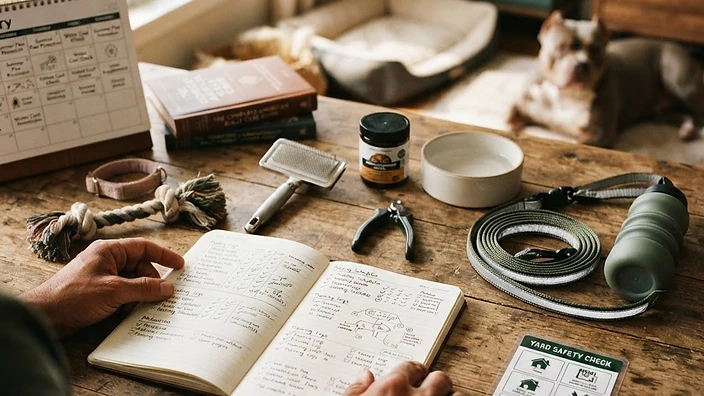
American Bullies are routine-dependent dogs. A predictable daily schedule reduces anxiety, supports healthy digestion, and reinforces training. Here's an evidence-informed daily structure:
| Time | Activity | |---|---| | 6:30 AM | Morning walk (20–30 min) + breakfast | | 9:00 AM | Mental enrichment (puzzle feeder, training session 10–15 min) | | 12:00 PM | Midday check-in, brief yard time or Kong/chew | | 5:00 PM | Main exercise session (30–45 min) | | 6:00 PM | Dinner | | 8:00 PM | Calm bonding time, grooming check | | 10:00 PM | Bedtime in crate or designated sleeping area |
Grooming: Short Coat, Real Needs
The American Bully's short, close-lying single coat is low-maintenance compared to long-coated breeds, but it is not zero-maintenance. A consistent grooming routine prevents skin issues, ear infections, dental disease, and overgrown nails — the four most common preventable health complaints in the breed.
Weekly grooming checklist:
- Brushing: Rubber curry brush or soft-bristle brush, 2–3x per week — removes dead coat, distributes sebum, stimulates circulation and coat gloss
- Ear cleaning: Weekly with a veterinarian-approved, alcohol-free ear cleanser — American Bullies' ear canals are prone to yeast and bacterial overgrowth, especially in humid Austin summers
- Nail trimming: Every 2–3 weeks — overgrown nails alter gait biomechanics and stress the carpal and digital joints
- Dental care: Daily tooth brushing with enzymatic, dog-safe toothpaste is ideal; minimum 3x per week. Dental disease affects 80% of dogs over age 3 and directly impacts systemic health via bacteremia
- Skin fold inspection: Bullies with pronounced facial folds require daily fold cleaning with a soft cloth or medicated wipe to prevent skin fold dermatitis (intertrigo)
- Bath: Every 4–6 weeks with a pH-balanced, sulfate-free shDog shampoo — overbathing strips the skin's natural lipid barrier

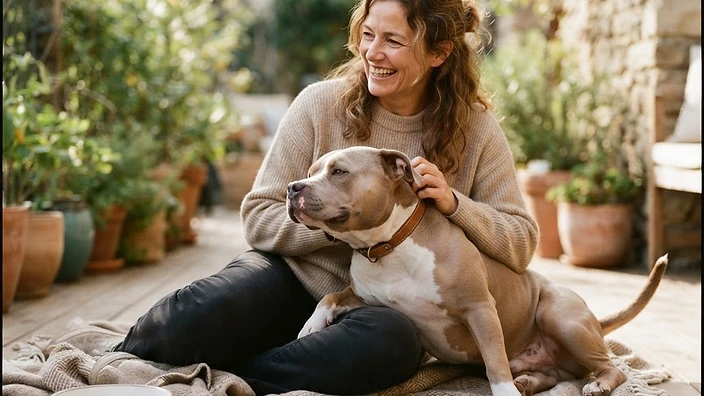
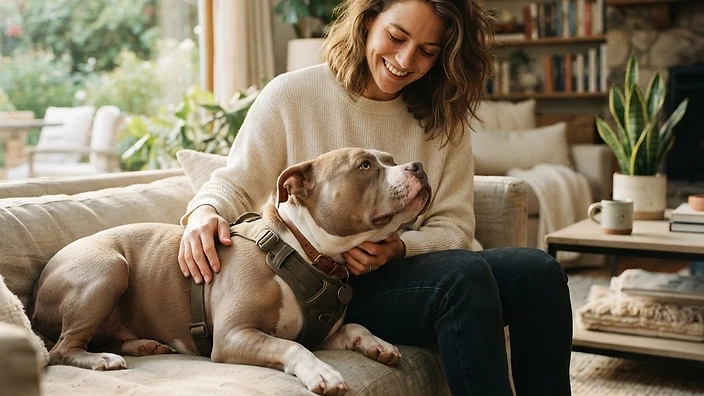
An American Bully receiving a thorough brushing with a rubber curry brush during a weekly grooming session, highlighting the importance of coat maintenance, skin fold inspection, and regular ear and nail care for the breed's overall health.
Home and Yard Safety
American Bullies are powerful, curious, and athletic enough to create real hazards in an unprepared home.
Indoor hazards to eliminate:
- Toxic plants: Sago palm, oleander, dieffenbachia, lilies, and philodendron are all commonly found in Texas homes and are toxic to dogs
- Human foods: Xylitol (in sugar-free gum, peanut butter), grapes/raisins, onions, garlic, macadamia nuts, and chocolate are all dangerous
- Medications and supplements should be stored in locked cabinets
- Electrical cords should be protected with cord covers — Bullies are chewers, especially under 2 years
Yard safety essentials:
- Fence height and integrity: Minimum 6-foot privacy fence — Standard and XL males are capable of scaling shorter fences. Inspect monthly for gaps, loose boards, or burrowing spots
- Pool and water features: Install a pool fence or cover — not all Bullies are strong swimmers, and their muscular mass creates a negative buoyancy risk. Always supervise water access
- Shade and hydration: In Austin's heat (regularly 100°F+ in July–August), permanent shade structures and fresh water are non-negotiable. Heat exhaustion can become heat stroke in under 15 minutes in a Bully left in direct sun
- Yard chemicals: Herbicides, fertilizers, and pesticides should be stored and applied according to label safety windows before dog access is restored
Seasonal Care
Summer (Texas-specific): The American Bully's muscular build and moderate muzzle length make them more heat-sensitive than many breeds. Exercise before 8 AM or after 7 PM during peak summer. Asphalt temperatures in Austin can exceed 150°F in direct sun — if you can't hold your palm to the pavement for 5 seconds, it will burn paw pads. Use dog-safe paw balm proactively. Watch for early heat stress signs: excessive panting, drooling, brick-red gums, ataxia.
Winter: American Bullies have minimal insulating undercoat. At temperatures below 45°F, short outdoor sessions and a dog coat or vest for extended outdoor time is appropriate, particularly for Pocket Bullies. Ensure sleeping areas are off cold floors — orthopedic or memory foam beds reduce joint stress.
Flea, tick, and heartworm prevention is year-round in Central Texas. Monthly FDA-approved heartworm preventatives (e.g., isoxazoline-class or macrocyclic lactone products) and appropriate flea/tick control are baseline, not optional.
Health Maintenance and Veterinary Care
Preventive Care Schedule
| Life Stage | Vet Visits | Key Screenings | |---|---|---| | 8–16 weeks | Every 3–4 weeks for vaccine series | Fecal parasite screen, deworming | | 6 months | Spay/neuter consultation | Pre-surgical bloodwork | | 12 months | Annual wellness | Heartworm test, OFA preliminary (optional) | | 2 years | Annual wellness | OFA hip/elbow radiographs (full certification) | | 3–6 years | Annual wellness | Bloodwork panel, dental evaluation | | 7+ years | Biannual wellness | Full bloodwork, urinalysis, blood pressure, joint assessment |
Breed-Specific Health Concerns
Hip and Elbow Dysplasia: The most significant musculoskeletal concern in the breed. OFA (Orthopedic Foundation for Animals) hip and elbow evaluations of both parent dogs are the baseline ethical standard. Ask your breeder for OFA numbers — any reputable ABKC-registered program will provide them. Learn more about our breeding program and the health testing we require.
Cardiac conditions: Dilated cardiomyopathy (DCM) and congenital subaortic stenosis (SAS) have been documented in bully-type breeds. Annual cardiac auscultation and OFA cardiac evaluations for breeding dogs are best practice.
Skin and coat conditions: Allergic dermatitis (environmental and food-triggered), demodex mange (which has a hereditary predisposition in some lines), and seborrhea are common. A hydrolyzed protein or novel protein diet trial may be warranted if chronic skin issues emerge.
Brachycephalic Obstructive Airway Syndrome (BOAS): While not all American Bullies are severely brachycephalic, extreme-type dogs with very short muzzles can exhibit stenotic nares, elongated soft palates, or tracheal hypoplasia. Surgical correction by a board-certified veterinary surgeon may be indicated.
Travel and Lifestyle Integration
Safe Travel
- Vehicle safety: Use a crash-tested crate or harness rated to your dog's weight. Unrestrained dogs become projectiles in accidents — and in Texas, an unrestrained dog in a truck bed is a citation risk
- Air travel: Most adult American Bullies exceed cabin weight limits; cargo travel carries elevated risk for brachycephalic-adjacent dogs. Drive or use a licensed pet transport service for long distances
- Hotel and lodging: Call ahead — "pet-friendly" policies vary. Bring your dog's bed, food (diet changes cause GI upset), water from home if possible, and their medical records
Enrichment and Mental Stimulation
Physical exercise alone is insufficient for the American Bully's intelligent, stimulus-seeking mind. Structured mental enrichment reduces destructive behavior and supports emotional regulation:
- Kong stuffing and lick mats (frozen peanut butter, plain yogurt, or wet food)
- Nose work and scent games
- Obedience and trick training sessions (10–15 minutes, 2x daily)
- Socialization outings — dog-friendly patios, pet supply stores, parks
Senior American Bully Care (7+ Years)
American Bullies are considered seniors around age 7, though larger XL dogs may show aging signs earlier (5–6 years). The senior years require a proactive shift in care strategy.
Nutritional Adjustments
Metabolic rate declines with age — maintain a BCS of 4–5 to avoid obesity, which accelerates joint degeneration. Transition to a senior or joint-support formula with:
- Reduced caloric density (300–380 kcal/cup)
- Added glucosamine (500–1000 mg/day) and chondroitin sulfate for articular cartilage support
- Increased omega-3 fatty acids (EPA/DHA) for anti-inflammatory benefit
- Higher digestibility — aging digestive systems absorb nutrients less efficiently
Mobility and Joint Support
- Transition to orthopedic memory foam bedding if not already used
- Install non-slip mats on hard floors — senior Bullies with hip dysplasia or arthritis are fall risks
- Ramps over stairs for vehicle entry and couch access
- Consider veterinary-supervised hydrotherapy or underwater treadmill therapy for dogs with significant OA
- NSAIDs (e.g., meloxicam, carprofen) may be prescribed by your vet — never administer human pain medications
Cognitive and Emotional Wellbeing
Canine Cognitive Dysfunction Syndrome (CCDS) — the canine equivalent of dementia — affects an estimated 28% of dogs aged 11–12. Watch for: disorientation, altered sleep-wake cycles, reduced interaction, house-soiling. Supplements containing phosphatidylserine, medium-chain triglycerides (MCTs), and antioxidants have supporting evidence for cognitive maintenance.
Maintain social engagement — senior Bullies still need connection, gentle play, and routine. Don't mistake slowing down for wanting less love.
Frequently Asked Questions
How much exercise does an American Bully need daily?
Adult American Bullies (2–7 years) need 45–90 minutes of physical activity daily, ideally split into two sessions. This should include a mix of structured leash walks, yard play, and mentally engaging activities like training or nose work. Puppies under 12 months need far less — follow the 5-minutes-per-month-of-age rule per session to protect developing growth plates. Senior Bullies benefit from 20–40 minutes of gentle, low-impact exercise daily, adjusted based on joint health and overall condition.
What should I feed my American Bully?
Feed an AAFCO-compliant kibble or raw diet with a named animal protein (chicken, beef, salmon) as the first ingredient. Adults do well on 28–30% crude protein and 14–18% crude fat. Avoid formulas with corn syrup, artificial preservatives (BHA, BHT, ethoxyquin), or vague protein sources like "meat meal." Two measured meals per day reduce bloat risk and support stable blood glucose. Adjust portions to maintain a BCS of 4–5 — you should feel ribs easily but not see them.
Are American Bullies good with children?
Yes — the American Bully was specifically developed with human-friendly temperament as a breed priority. They are typically gentle, patient, and affectionate with children of all ages. However, their muscular build and enthusiastic nature mean supervision is essential with toddlers, and all children should be taught appropriate dog interaction. Early socialization with children during puppyhood reinforces positive associations that last a lifetime.
How do I keep my American Bully's skin and coat healthy?
A healthy coat starts from the inside: feed a diet rich in omega-3 and omega-6 fatty acids, and supplement with fish oil (EPA/DHA) if the kibble doesn't include adequate levels. Externally, brush 2–3x weekly, bathe every 4–6 weeks with a pH-balanced shampoo, and inspect skin folds daily if present. Chronic itching, hair loss, or redness may indicate environmental allergies (atopy), food intolerance, or demodex — consult your vet for a diagnosis before self-treating.
When should I take my American Bully to the vet?
Annual wellness exams are the baseline for adult dogs; biannual visits are recommended for seniors 7+. Seek immediate veterinary attention for: labored breathing, pale or blue gums, collapse, seizures, bloated or distended abdomen, inability to urinate, eye injuries, or any suspected toxin ingestion. American Bullies are stoic dogs — they often mask pain. Learning your dog's normal baseline makes detecting subtle changes easier.
How long do American Bullies live?
A well-cared-for American Bully typically lives 10–13 years. Pocket and Classic varieties often trend toward the longer end of this range; XL Bullies, due to their larger body mass, may trend slightly shorter. The most significant factors influencing lifespan are diet quality, exercise consistency, veterinary preventive care, and the genetic health of the parent dogs — which is why OFA health testing and ethical breeding practices matter so profoundly.
Explore Every Aspect of American Bully Care
This pillar guide covers the full arc of American Bully ownership, but each topic deserves deeper exploration. Our resource library includes dedicated guides on every aspect of care:
- Daily routine and exercise scheduling
- Puppy nutrition and feeding transitions
- Grooming tools and techniques
- Home safety and puppy-proofing
- Seasonal wellness and Texas climate care
- Travel with your American Bully
- Senior Bully health and mobility
- Breed-specific health testing and OFA protocols
For breed history, conformation, and temperament background, visit The Complete American Bully Breed Guide: Everything to Know. You can browse our entire library at the full resource library.
Ready to Welcome Your American Bully?
If you've made it through this guide, you're already a more informed future owner than most. That preparation is exactly what a dog like this deserves — and what sets families up for a truly exceptional relationship.
We currently have several beautiful, ABKC-registered puppies available from health-tested parents: meet Diesel — Chocolate Tri Male American Bully puppy, Atlas — Lilac Tri-Color Male American Bully puppy, Bowie — Blue Tri Male American Bully puppy, Hazel — Merle Female American Bully puppy, and Ella — Lilac Tri Female American Bully puppy.
Browse all our available American Bully puppies, or contact us with any questions. We're here to support you long after your puppy comes home.