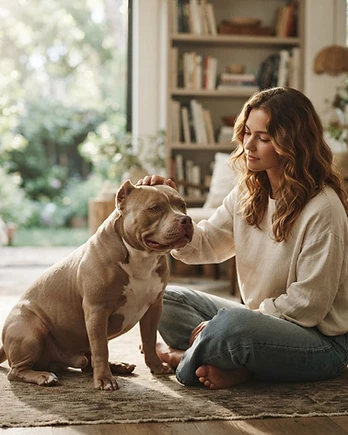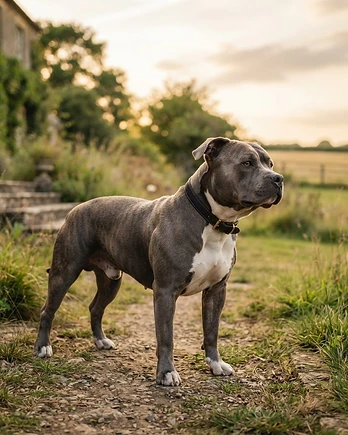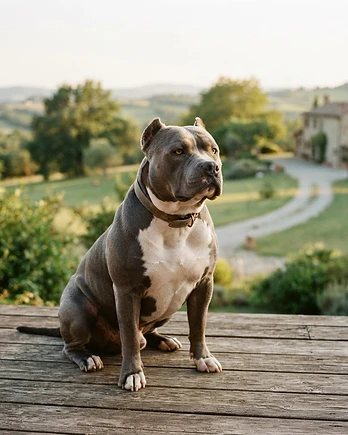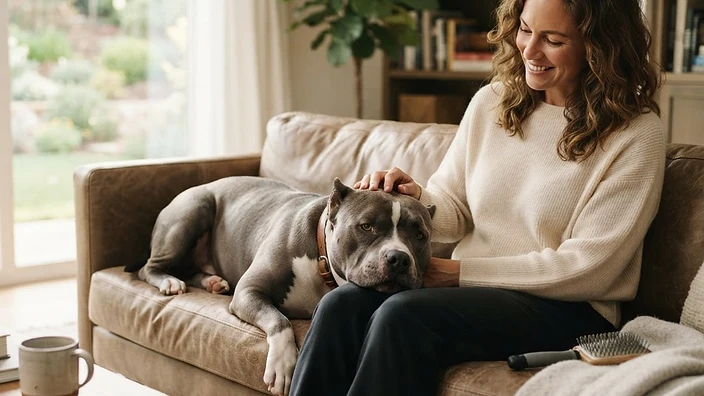
Bringing an American Bully into your home is one of the most rewarding decisions you'll ever make. These dogs — compact, powerful, and overflowing with affection — bond deeply with their families and thrive when they're well cared for. But that devotion runs both ways. Owning an American Bully is a long-term commitment that spans roughly 10–13 years, and every stage of that journey has its own nutritional requirements, exercise thresholds, grooming rhythms, and health checkpoints.
This guide is the most comprehensive American Bully care resource we've ever put together at American Bully Haven Pups. Whether you're still researching the breed, welcoming a new puppy, or navigating your Bully's senior years, you'll find practical, veterinary-aligned guidance for every phase of life. For an equally thorough introduction to the breed itself — temperament, size classes, and breed history — start with The Complete American Bully Breed Guide: Everything to Know.
Let's walk through everything — from daily routines and age-appropriate exercise to grooming, seasonal care, travel, and lifelong wellness habits that will keep your Bully thriving for years to come.
Understanding the American Bully's Physical and Behavioral Needs
The American Bully was developed through selective crosses of the American Pit Bull Terrier, American Staffordshire Terrier, and several bulldog-type breeds to produce a dog with a wide, muscular build and a profoundly gentle temperament. ABKC (American Bully Kennel Club) and UKC (United Kennel Club) recognize four size classes — Pocket, Standard, Classic, and XL — each with slightly different exercise tolerances and care considerations.
| Size Class | Typical Weight | Height at Withers | |------------|---------------|-------------------| | Pocket | 30–50 lbs | Under 17" (males) | | Standard | 50–80 lbs | 17"–20" (males) | | Classic | 50–80 lbs | 17"–20" (males) | | XL | 80–150+ lbs | Over 20" (males) |
Regardless of size class, all American Bullies share brachycephalic-adjacent facial structure (though most are not severely brachycephalic), short single-layer coats, and a high drive for human connection. These traits shape every care decision you'll make.
Daily Care Routine by Life Stage
Puppy Stage (8 Weeks – 12 Months)
The first year is your most important window. Puppies leaving our care at American Bully Haven Pups are at least 8 weeks old, ABKC/UKC registered, microchipped, and up to date on core vaccinations. Your job from day one is to build on that foundation.
Daily routine checklist for puppies:
- 3–4 small meals daily (switch to twice daily around 6 months)
- 5 minutes of structured exercise per month of age, twice daily (e.g., a 3-month-old gets 15-minute sessions)
- Short, positive-reinforcement training sessions (5–10 minutes, 2–3 times daily)
- Socialization exposure: new people, sounds, surfaces, and environments
- Crate training and consistent sleep schedule
- Daily handling: ears, paws, mouth — to build tolerance for grooming and vet exams
Puppies like Diesel — Chocolate Tri Male American Bully puppy and Atlas — Lilac Tri-Color Male American Bully puppy arrive with the foundational socialization already underway — but it's your daily consistency that will shape their adult temperament.
Adolescent Stage (1–2 Years)
Adolescence is often the most challenging phase for new owners. Hormonal shifts (especially in intact dogs), increased energy, and some selective hearing are all normal. Maintain structure, increase exercise gradually, and lean on positive reinforcement. Spay/neuter timing should be discussed with your veterinarian — current research, including studies published by the American Veterinary Medical Association (AVMA), suggests waiting until at least 12–18 months for large-breed dogs to allow full musculoskeletal maturity.
Adult Stage (2–7 Years)
Adult Bullies are in their prime. They've filled out their muscular frame, have established personalities, and need consistent exercise, mental stimulation, and preventive health care. Twice-daily feeding, regular veterinary wellness exams (annually), heartworm prevention, flea/tick control, and dental hygiene become the steady rhythm of care.
Senior Stage (7+ Years)
American Bullies are considered seniors around age 7, though XL individuals may show signs earlier due to their greater body mass. Increase veterinary visits to twice annually. Senior-specific nutritional adjustments — reduced caloric density, joint-supporting ingredients like glucosamine and chondroitin sulfate, and omega-3 fatty acids from fish oil — become important. Watch for early signs of hip dysplasia, elbow dysplasia, and hypothyroidism, which are more prevalent in the breed.
Nutrition: Fueling a Muscular, Athletic Dog
American Bullies have high lean muscle mass and benefit from diets with a crude protein content of 24–30% from high-quality animal sources. Look for AAFCO (Association of American Feed Control Officials) statements confirming the food is complete and balanced for the appropriate life stage.
Key nutritional principles:
- Biological value of protein: Chicken, beef, salmon, and eggs have the highest biological value — prioritize named meat sources over by-product meals.
- Fat content: 12–18% fat supports energy and coat health; omega-3 to omega-6 ratio matters for inflammatory balance.
- Caloric density: Adult Standards typically need 1,200–1,800 kcal/day depending on activity level; XL adults may need 2,200–3,000 kcal/day.
- Carbohydrate sources: Sweet potato, brown rice, and oats are well-tolerated; avoid corn and wheat as primary carbohydrates for dogs with skin sensitivities.
- Calcium:Phosphorus ratio: Especially critical during puppyhood — excess calcium supplementation in growing large-breed puppies has been linked to developmental orthopedic disease (DOD).
Common misconception: Many new Bully owners assume raw diets are automatically superior. Raw feeding (BARF — Biologically Appropriate Raw Food) can be nutritionally complete, but requires careful formulation to meet AAFCO guidelines. Improperly balanced raw diets lead to calcium and phosphorus imbalances. If you choose raw, work with a veterinary nutritionist.

A young American Bully puppy eats from a measured stainless steel bowl, representing the importance of life-stage-appropriate, AAFCO-compliant nutrition with correct crude protein and calcium-to-phosphorus ratios for musculoskeletal development.
Exercise by Age: Building a Strong Body Without Damaging Growing Joints
One of the most common mistakes new Bully owners make is over-exercising puppies. The growth plates in an American Bully's long bones (physis) don't close until approximately 12–18 months depending on size class. High-impact repetitive exercise before growth plate closure increases the risk of physeal fractures and abnormal bone development.
Exercise guidelines by age:
| Age | Type of Exercise | Duration/Frequency | |-----|-----------------|--------------------| | 8–16 weeks | Free play, short leash walks, socialization | 10–15 min, 2x daily | | 4–6 months | Leash walks, gentle play, basic obedience | 20–30 min, 2x daily | | 6–12 months | Longer walks, swimming, light structured play | 30–45 min, 2x daily | | 1–3 years | Weighted walks (optional), fetch, agility, swimming | 45–60 min, 2x daily | | 3–7 years | Full exercise regimen, structured athletic work | 60 min, 2x daily | | 7+ years | Low-impact: swimming, gentle walks, light play | 30–45 min, 2x daily |
Swimming is the gold standard exercise for American Bullies at every age — it builds cardiovascular fitness and muscle mass with near-zero joint impact. Always supervise water activities; despite their power, many Bullies are poor natural swimmers due to their dense, low body-fat physique.
Grooming: Simple But Consistent
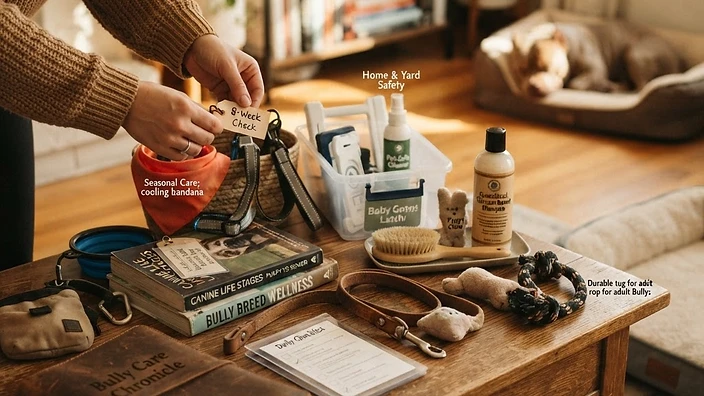
The American Bully's short, dense single coat is one of the breed's most low-maintenance traits — but "low maintenance" doesn't mean zero maintenance. A consistent grooming routine supports skin health, coat condition, and early detection of lumps, skin infections, and parasites.
Weekly Grooming Checklist
- Brushing: Use a rubber curry brush or a soft-bristle brush 2–3 times weekly to remove dead skin cells, loose hair, and distribute sebaceous oils. Daily brushing during seasonal shedding transitions.
- Bathing: Every 4–6 weeks using a gentle, pH-balanced canine shampoo. Overbathing strips the skin's lipid barrier and can trigger seborrheic dermatitis.
- Ear cleaning: Weekly inspection; clean with a veterinarian-approved ear cleaning solution to prevent otitis externa (ear infections), to which Bullies are somewhat prone.
- Nail trimming: Every 2–3 weeks; overgrown nails cause altered gait and joint stress over time.
- Dental hygiene: Daily brushing with enzymatic canine toothpaste is ideal; aim for a minimum of 3x weekly. Dental disease affects over 80% of dogs by age 3 (AVMA) and is linked to systemic cardiac and renal conditions.
- Wrinkle/skin fold care: Some Standard and XL Bullies with pronounced head wrinkles need daily fold cleaning with a dry cloth or unscented canine wipe to prevent moisture-related intertrigo (skin fold dermatitis).
Home and Yard Safety
Creating a safe environment is an often-overlooked pillar of Bully care. These dogs are athletic, curious, and powerful enough to create hazards for themselves.
Indoor Safety
- Puppy-proof at floor level: Electrical cords, toxic houseplants (Sago palm, philodendron, pothos), cleaning products, and small objects are all dangers.
- Non-slip flooring: American Bullies' heavy bodies and low center of gravity make them vulnerable to hip and shoulder injuries on slippery hardwood or tile floors. Use area rugs or grip mats in high-traffic areas.
- Temperature regulation: These dogs are sensitive to extreme heat due to their brachycephalic-adjacent facial structure limiting airflow. Keep indoor temperatures between 65–78°F; never leave a Bully in an unventilated space.
- Crate sizing: Adult Standards need a 42" crate; XL adults may need a 48" heavy-duty crate.
Yard Safety
- Fencing: Minimum 6-foot privacy fence; American Bullies are athletic and motivated. Ensure no gaps at the base — a determined Bully can dig out in minutes.
- Shade and water: In Austin's Central Texas climate, outdoor sessions in summer should be limited to early morning or evening. Fresh water must always be accessible.
- Toxic plants: Remove oleander, lantana, and azaleas — all common in Texas landscaping and all toxic to dogs.
- Pool safety: Install a pool ramp or steps; fence off pool access when unsupervised.

An adult American Bully enjoys supervised play in a safely fenced Texas backyard with access to shade and fresh water, demonstrating best practices for outdoor safety and heat management in Central Texas's warm climate.
Preventive Health Care and Veterinary Wellness
Core Vaccination Schedule
Following AVSAB (American Veterinary Society of Animal Behavior) and AVMA guidelines:
- 6–8 weeks: DA2PP (Distemper, Adenovirus, Parvovirus, Parainfluenza)
- 10–12 weeks: DA2PP booster + Bordetella
- 14–16 weeks: DA2PP final puppy booster + Rabies
- 12–16 months: DA2PP booster, Rabies booster
- Every 1–3 years: Adult boosters per titer testing or veterinary protocol
Parasite Prevention
Heartworm disease (caused by Dirofilaria immitis, transmitted by mosquitoes) is a year-round threat in Texas. Monthly heartworm preventatives (macrocyclic lactones such as ivermectin or milbemycin oxime) are non-negotiable. Flea and tick prevention — whether isoxazoline-class oral products, topicals, or collar-based — should also be maintained year-round given Central Texas's climate.
OFA Health Testing
Ethical breeders — including our program at American Bully Haven Pups — conduct OFA (Orthopedic Foundation for Animals) health testing on breeding stock. For American Bullies, priority tests include:
- OFA Hip Dysplasia evaluation (radiographic)
- OFA Elbow Dysplasia evaluation
- OFA Cardiac evaluation (congenital heart disease screening)
- OFA Eye certification (CAER exam)
- Thyroid panel (hypothyroidism screening)
When you adopt from a reputable breeder, ask to see the OFA records for both parents. Learn more about what to look for in our adoption guide.
Seasonal Care in Central Texas
American Bullies in Austin face unique seasonal challenges that owners in cooler climates don't encounter.
Summer (May–September)
- Heat stroke risk is real. Dogs with any brachycephalic features can reach dangerous core temperatures within minutes in Texas summer heat. Never exercise your Bully when the ambient temperature exceeds 85°F without shade access and frequent water breaks.
- Signs of heat stroke: excessive panting, drooling, brick-red gums, staggering, collapse. This is a veterinary emergency — move the dog to a cool environment and apply cool (not ice cold) water to paw pads and groin while transporting to the emergency vet.
- Use dog-safe sunscreen on pink-pigmented, thin-coated areas (ears, belly, nose) on dogs with light-colored coats.
Winter (December–February)
- Austin winters are mild but occasional cold fronts drop temperatures near or below freezing. Short-coated Bullies with low body fat feel the cold more than double-coated breeds. A fitted dog jacket for temperatures below 45°F is appropriate, especially for Pocket-sized individuals.
- Rock salt and chemical ice melts cause paw pad irritation and are toxic if licked. Use pet-safe deicer alternatives and rinse paws after outdoor walks.
Allergy Season (Spring and Fall)
Texas cedar (Ashe juniper), oak pollen, and ragweed are significant allergen loads. American Bullies are predisposed to environmental allergies (atopic dermatitis). Signs include recurrent paw licking, facial rubbing, and skin redness. Work with your veterinarian on an allergy management protocol — options range from antihistamines and fatty acid supplementation to Apoquel, Cytopoint, or allergen-specific immunotherapy.
Mental Stimulation and Behavioral Wellness
A physically tired Bully is a well-behaved Bully — but mental fatigue is just as important. These are intelligent dogs who were selectively bred to engage with humans; without mental enrichment, boredom-driven destructive behaviors emerge.
Mental enrichment strategies:
- Food puzzle toys (Kong, Snuffle mats, Licki mats): 10–15 minutes of food-stuffed enrichment replaces a full hour of free exercise in terms of mental fatigue.
- Nose work and scent games: Scatter feeding in grass or teaching a simple "find it" game develops olfactory neural pathways.
- Obedience and trick training: American Bullies are eager to please and respond exceptionally well to positive reinforcement (R+ training methods). 10-minute training sessions build impulse control and strengthen the human-dog bond.
- Socialization maintenance: Adult Bullies need continued exposure to novel environments, people, and other dogs to maintain the confident, stable temperament the breed is known for.
Traveling With Your American Bully
Bullies are social dogs and many families want to bring them along on trips. Here's how to do it safely:
- Vehicle safety: A crash-tested travel crate or a dog-specific seatbelt harness is essential. Unrestrained dogs become dangerous projectiles in accidents.
- Air travel: Most airlines prohibit brachycephalic breeds in cargo. Consult directly with the carrier; some medium-sized Bullies may qualify as in-cabin travelers on specific airlines. Always travel with health certificates issued within 10 days of departure.
- Road trips: Schedule rest stops every 2 hours; bring your dog's regular food (dietary changes during travel cause GI distress), a collapsible water bowl, and a portable first aid kit.
- Hotel stays: Research pet-friendly hotels in advance; many have weight or breed restrictions. Breed-specific legislation (BSL) — though increasingly challenged legally — still exists in some municipalities. Check local ordinances before traveling to a new city.
Key Takeaways
- Follow the 5-minute rule for puppy exercise to protect developing growth plates.
- Feed a high-protein (24–30% crude protein), AAFCO-approved diet calibrated to your Bully's size class and life stage.
- Groom weekly — brushing, ear cleaning, dental hygiene, and nail trims are the non-negotiable pillars.
- Prioritize OFA health-tested bloodlines to reduce genetic disease risk.
- In Central Texas, heat management in summer and allergy monitoring in spring/fall are critical seasonal care tasks.
- Mental enrichment is just as essential as physical exercise for behavioral wellness.
- Senior Bullies (7+) need twice-annual vet visits, joint-supportive nutrition, and lower-impact exercise.
- A safe home and yard — with secure fencing, non-toxic plants, and climate control — prevents the majority of common accidents.
Frequently Asked Questions
How much exercise does an American Bully need daily?
Adult American Bullies in their prime (ages 2–7) thrive on approximately 60 minutes of moderate-to-vigorous exercise daily, ideally split into two 30-minute sessions. Swimming, brisk leash walks, and structured fetch are ideal. Puppies need far less — the "5 minutes per month of age" rule applies twice daily and protects developing joints. XL Bullies may have slightly lower exercise tolerance due to cardiovascular load from their greater body mass; always monitor for excessive panting or lagging pace as indicators to dial back intensity.
What should I feed my American Bully?
Choose a high-quality commercial kibble or a veterinary-nutritionist-formulated raw or home-cooked diet with 24–30% crude protein from named animal sources (chicken, beef, salmon), 12–18% fat, and an AAFCO complete-and-balanced statement for the correct life stage. For puppies, select a formula specifically labeled for large-breed puppies or "all life stages" — adult formulas often lack the appropriate calcium-to-phosphorus ratio for safe musculoskeletal development. Supplements commonly beneficial for the breed include fish oil (omega-3 fatty acids), probiotic support for gut health, and glucosamine/chondroitin for joint integrity as dogs age into adulthood.
Are American Bullies good family dogs?
Absolutely — and this is one of the most important misconceptions to address. The American Bully was intentionally bred to be a companion dog with a stable, affectionate temperament. ABKC and UKC breed standards both explicitly prioritize people-friendliness and gentle disposition. Well-socialized American Bullies are known for their patience with children, their loyalty to family members, and their adaptability to various living environments. Aggression toward humans is considered a serious breed fault and is contrary to the standard. Proper socialization from puppyhood and responsible ownership are the primary determinants of temperament, as with any breed.
How often do American Bullies need vet checkups?
Puppies need frequent vet visits during their first year — typically at 8, 12, and 16 weeks for vaccinations, then again around 6 months (spay/neuter consultation) and 12 months for the adult booster series. Healthy adults ages 1–7 should have a comprehensive annual wellness exam including heartworm test, fecal parasite screen, dental assessment, and bloodwork panel. Senior Bullies (7+) benefit from biannual visits to catch age-related conditions — including hypothyroidism, hip dysplasia progression, and cardiac changes — as early as possible when intervention is most effective.
Do American Bullies shed a lot?
American Bullies shed moderately year-round, with more pronounced seasonal shedding transitions in spring and fall as photoperiod changes trigger coat turnover. Their short, single-layer coats mean shedding is manageable compared to double-coated breeds, but it is ever-present. A rubber curry brush used 2–3 times weekly dramatically reduces loose hair in the home. Regular bathing with a deshedding shampoo formulation during peak shedding seasons also helps. The short coat offers no insulating advantage in cold weather, which is why jacket use in winter is practical rather than merely aesthetic.
What health problems are common in American Bullies?
American Bullies are predisposed to several conditions worth monitoring: hip dysplasia and elbow dysplasia (developmental orthopedic conditions with a genetic and environmental component), skin allergies (atopic dermatitis), hypothyroidism (reduced thyroid hormone production causing weight gain and lethargy), cherry eye (prolapse of the nictitating membrane gland), and congenital heart abnormalities in some bloodlines. Choosing a puppy from OFA-health-tested parents — as we require in our breeding program — substantially reduces inherited disease risk. Maintaining a healthy body weight is the single most impactful lifestyle factor for joint and cardiovascular health.
Continue Exploring Our Care Resource Library
This pillar guide is the hub of our complete care content. For deeper dives into specific topics, explore our full resource library:
- The Complete American Bully Care Guide: Puppyhood to Senior Years — nutrition deep dive
- The Complete American Bully Care Guide: Puppyhood to Senior Years — exercise and fitness
- The Complete American Bully Care Guide: Puppyhood to Senior Years — grooming routines
- The Complete American Bully Care Guide: Puppyhood to Senior Years — health and preventive care
- The Complete American Bully Care Guide: Puppyhood to Senior Years — puppy development stages
- The Complete American Bully Care Guide: Puppyhood to Senior Years — mental enrichment and training
- The Complete American Bully Care Guide: Puppyhood to Senior Years — senior Bully care
- The Complete American Bully Care Guide: Puppyhood to Senior Years — home and yard safety
Ready to Welcome a Bully Into Your Family?
Knowledge is the foundation of great ownership — and now you have it. If you're ready to take the next step, browse our available American Bully puppies, including Bowie — Blue Tri Male American Bully puppy, Hazel — Merle Female American Bully puppy, and Ella — Lilac Tri Female American Bully puppy. Every puppy we raise comes from OFA-health-tested parents, is ABKC and UKC registered, and leaves our Austin home with a solid foundation of socialization and veterinary care already in place.
Have questions? We'd love to hear from you — contact us any time. Raising a Bully well is a lifelong journey, and we're honored to be part of yours.