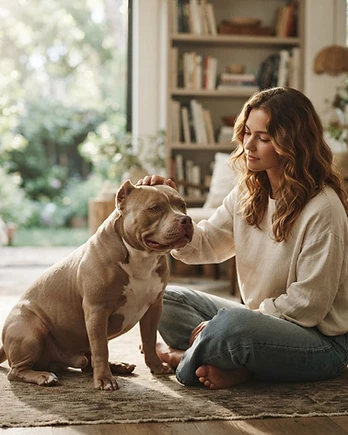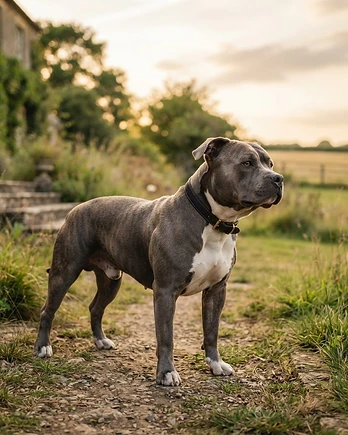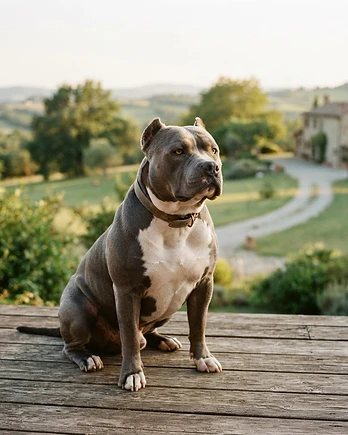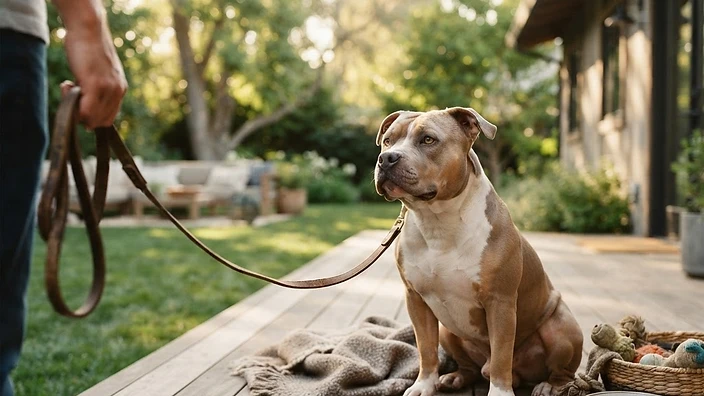
Bringing an American Bully into your home is one of the most rewarding decisions a dog lover can make. These compact, muscular, deeply affectionate dogs bond with their families in ways that are hard to put into words — they are loyal to their core, gentle with children, and possess a confident temperament that makes them a joy to raise. But owning any dog well takes knowledge, consistency, and love. Owning an American Bully well takes all of those things applied with breed-specific precision.
This guide was written for every stage of your journey with your Bully — from the day you bring home a wriggly eight-week-old to the slower, quieter senior years when your bond runs deepest. We've raised and placed dozens of ABKC- and UKC-registered American Bullies here in Austin, Texas, and everything in this resource reflects what we've learned through hands-on experience and close collaboration with veterinary professionals. Whether you're a first-time Bully owner or a seasoned enthusiast, you'll find something valuable here.
For even more resources on this breed, explore our full resource library or learn more about The Complete American Bully Breed Guide: Everything to Know before diving in.
Key Takeaways
- American Bullies thrive on structure, consistency, and human connection at every life stage.
- Exercise must be age-appropriate — over-exercising puppies under 12 months risks growth plate damage.
- Grooming is low-maintenance but must be consistent, especially wrinkle and ear care.
- A high-quality, protein-dense diet with AAFCO-compliant formulation is non-negotiable for muscular development and joint health.
- Socialization between 3–14 weeks is the single most influential period in your Bully's behavioral development.
- Preventive veterinary care — including OFA hip and elbow evaluations, annual bloodwork, and heartworm prevention — dramatically extends healthy lifespan.
- Home and yard safety requires breed-specific planning: secure fencing, temperature management, and toxin awareness.
- Senior Bullies (7+ years) need adjusted nutrition, gentler exercise, and more frequent veterinary checkups.
Understanding the American Bully Before You Begin
The American Bully is a purpose-bred companion dog developed in the United States during the 1980s and 1990s, with foundation stock drawing primarily from the American Pit Bull Terrier and American Staffordshire Terrier, along with influence from the English Bulldog, American Bulldog, and in some lines, the Olde English Bulldogge. The breed is officially recognized by the American Bully Kennel Club (ABKC) and the United Kennel Club (UKC), with four standard size classes: Pocket (under 17 inches at the withers for males), Standard (17–20 inches), Classic, and XL (over 20 inches).
Understanding the breed's physical structure matters for care. The American Bully's brachycephalic-adjacent broad skull, heavy musculature, wide chest, and relatively short muzzle all inform how you exercise, feed, groom, and house your dog. These are not fragile animals — but they have specific vulnerabilities that attentive owners must manage proactively.
For a deeper dive into breed history, conformation standards, and temperament, visit The Complete American Bully Breed Guide: Everything You Need to Know.
Bringing Your Puppy Home: The First 30 Days
Setting Up a Safe Space
Before your puppy arrives, puppy-proof your home thoroughly. Get down to floor level and look for electrical cords, toxic houseplants (philodendron, pothos, sago palm, and lilies are especially dangerous), small objects that can be swallowed, and unsecured cabinets. American Bully puppies are curious and mouthy — underestimate their reach and creativity at your peril.
Set up a crate (a 36–42 inch wire or plastic crate works well for Standard and XL puppies who will grow into it) in a low-traffic but family-adjacent area. The crate is a den, not a punishment — introduce it with treats, meals, and praise. A cozy orthopedic pad, a worn t-shirt carrying your scent, and a heartbeat puppy toy will ease the first few nights.
The First Veterinary Visit
Schedule a wellness exam within 48–72 hours of bringing your puppy home. Your veterinarian will assess overall health, confirm current vaccination status, administer any due boosters, screen for intestinal parasites via fecal flotation, and discuss your deworming protocol. Most American Bully puppies from reputable breeders arrive with at least two rounds of core vaccines (distemper, parvovirus, adenovirus, and parainfluenza — the DA2PP combination) and a deworming history.
The core puppy vaccination schedule typically follows this timeline:
- 6–8 weeks: DA2PP (first dose, often given by breeder)
- 10–12 weeks: DA2PP booster
- 14–16 weeks: DA2PP final booster + rabies
- 12–16 months: DA2PP and rabies boosters
- Annually or every 3 years thereafter: Based on titer testing or veterinary recommendation
Bordetella (kennel cough), leptospirosis, and canine influenza vaccines may be recommended depending on your lifestyle and region. In Austin and central Texas, leptospirosis is increasingly recommended given wildlife exposure risk.
Socialization: The Most Important Window
The socialization window between 3 and 14 weeks of age is the single most critical developmental period in your puppy's life. What your Bully experiences — positively — during this window shapes their adult temperament more than any other factor. Expose your puppy to a wide variety of people (different ages, appearances, uniforms), sounds (traffic, storms, appliances), surfaces (grass, gravel, hardwood, tile), and other vaccinated, healthy animals.
Keep all interactions positive and low-pressure. Never flood a fearful puppy. Two to three new, positive experiences per day during weeks 8–14 is a realistic and effective goal.
Nutrition: Feeding Your American Bully at Every Life Stage
Puppy Nutrition (8 Weeks – 12 Months)
American Bully puppies require a diet formulated for large-breed puppies or all life stages, with AAFCO (Association of American Feed Control Officials) nutritional adequacy certification. Look for a crude protein level of at least 28–30%, fat content around 15–18%, and a calcium-to-phosphorus ratio between 1.2:1 and 1.4:1 — calcium excess in large-breed puppies is directly linked to developmental orthopedic disease (DOD), including hypertrophic osteodystrophy (HOD) and osteochondrosis dissecans (OCD).
Key ingredients to prioritize: named animal proteins (chicken, beef, salmon, turkey) as the first ingredient, whole food carbohydrates, omega-3 fatty acids (DHA and EPA) from fish oil for brain and joint development, and chelated minerals for superior bioavailability. Avoid fillers like corn syrup, artificial preservatives (BHA, BHT, ethoxyquin), and generic "meat meal" from unspecified sources.
Feed puppies three times daily until 4–5 months, then transition to twice daily. Follow the feeding guide on your chosen food as a starting point, adjusting for your individual puppy's body condition score (BCS) — you should be able to feel ribs with light pressure but not see them.
Adult Nutrition (1–6 Years)
Once your Bully reaches 12–14 months, transition to an adult formula or a high-quality all-life-stages food. Adult American Bullies are heavily muscled dogs with moderate-to-high protein requirements. Target crude protein of 24–30%, fat 12–16%, and total calories calibrated to maintain a BCS of 4–5 out of 9. A moderately active 60-pound Standard male may require 1,400–1,700 kcal/day; an XL male at 100 pounds may need 2,200–2,800 kcal/day.
Omega-3 supplementation (fish oil at 20–55 mg EPA+DHA per pound of body weight daily) supports coat quality, reduces inflammatory mediators, and benefits joint health. Glucosamine (500–1,000 mg daily) and chondroitin sulfate are worth adding preventively given the breed's predisposition to hip dysplasia.
Senior Nutrition (7+ Years)
Senior Bullies often benefit from reduced caloric density (to offset lower activity levels), maintained or slightly elevated protein (to counter age-related muscle catabolism — sarcopenia), and added joint support. Look for formulas with L-carnitine, increased antioxidant levels (vitamins C and E, selenium, beta-carotene), and prebiotics/probiotics for digestive health. Annual bloodwork becomes essential at this stage to monitor kidney function (BUN, creatinine), liver enzymes (ALT, ALP), and thyroid levels (T4).


Exercise: Age-Appropriate Activity for Every Stage
Puppies (8 Weeks – 12 Months)
One of the most damaging myths in Bully ownership is that puppies should be heavily exercised to build muscle early. The growth plates (physes) in American Bully puppies do not fully close until approximately 12–14 months of age. High-impact, repetitive exercise before closure — long runs, forced treadmill work, excessive jumping — can cause permanent growth plate damage, angular limb deformities, and predispose the dog to early-onset hip and elbow dysplasia.
The "5-minute rule" is a veterinary-aligned guideline: 5 minutes of structured exercise per month of age, twice daily. An 8-week-old gets two 10-minute sessions; a 4-month-old gets two 20-minute sessions. This applies to structured walks and play — free play in a yard at the puppy's own pace is generally acceptable.
Adolescents and Adults (1–6 Years)
Healthy adult American Bullies need 45–75 minutes of moderate exercise daily, ideally split across morning and evening sessions. Activities they excel at include:
- Structured leash walks — essential for mental stimulation and manners
- Weight pull training — a UKC-recognized sport that channels the breed's natural drive and builds topline musculature safely
- Flirt pole sessions — 10–15 minutes provides significant cardiovascular and mental engagement
- Swimming — an excellent low-impact cardiovascular option, especially in Texas summers
- Obedience and trick training — mental exercise is as tiring as physical exercise for this intelligent breed
Seniors (7+ Years)
Maintain daily movement to preserve muscle mass and joint mobility, but reduce intensity and duration. Two 20–30 minute slow-to-moderate walks daily, gentle play, and low-impact activities like swimming keep senior Bullies fit without overtaxing arthritic joints. Watch for signs of pain: reluctance to rise, stiffness after rest, altered gait, or behavioral changes.
Grooming: Keeping Your American Bully Looking and Feeling Their Best
The American Bully's short, glossy, single-layer coat is one of their lower-maintenance attributes — but "low maintenance" does not mean no maintenance. A consistent grooming routine supports skin health, allows early detection of abnormalities (lumps, skin infections, parasites), and deepens the human-dog bond.
Coat Care
Brush your Bully with a rubber curry brush or grooming mitt 1–2 times per week to remove dead hair, distribute natural skin oils, and stimulate circulation. Bathing every 4–6 weeks with a pH-balanced, hypoallergenic dog shampoo is sufficient for most Bullies; more frequent bathing can strip the skin's natural lipid barrier and trigger seborrhea or contact dermatitis.
Wrinkle and Skin Fold Care
This is non-negotiable for most American Bullies. Moisture trapped in facial folds and body skin folds creates an anaerobic environment ideal for bacterial (Staphylococcus pseudintermedius) and yeast (Malassezia pachydermatis) overgrowth — a condition called skin fold dermatitis or intertrigo. Clean all folds 2–3 times per week with fragrance-free pet wipes or a dilute chlorhexidine solution, dry thoroughly, and apply a small amount of pet-safe antifungal powder or balm if your dog is prone to irritation.
Ear Care
The American Bully's ear canal structure can accumulate wax and debris, predisposing them to otitis externa (outer ear infection). Check ears weekly; clean with a veterinarian-approved ear cleaner monthly or more frequently if your dog swims. Signs of infection include head shaking, odor, dark discharge, or pawing at ears — these warrant a veterinary visit, not home treatment.
Nail Trimming and Dental Hygiene
Trim nails every 2–4 weeks to prevent overgrowth that alters gait mechanics and stresses the paw joints. If you hear nails clicking on hardwood floors, they're overdue. Dental disease affects an estimated 80% of dogs by age three; daily tooth brushing with enzymatic dog toothpaste (never human toothpaste — xylitol is lethal to dogs) and annual professional dental cleanings under anesthesia are the gold standard.


Home and Yard Safety
Fencing Requirements
American Bullies are athletic, determined, and curious. A minimum 6-foot privacy fence is recommended — chain-link alone is insufficient since Bullies can climb. Check for gaps at the base (many will dig), and ensure gate latches are escape-proof. Consider coyote rollers on the fence top for XL males especially. Never leave your Bully unsupervised outside for extended periods, particularly in extreme temperatures.
Temperature and Climate Management
This is especially relevant for Austin, Texas owners. The American Bully's broad skull and relatively compressed facial structure reduces airflow efficiency compared to longer-muzzled breeds, making them more susceptible to heat-related illness (hyperthermia). When ambient temperature exceeds 85°F, limit outdoor exercise to early morning (before 8 a.m.) or evening (after 7 p.m.). Always provide shade and fresh water. Pavement temperatures in direct sun can exceed 140°F — the "7-second rule" (if you can't hold the back of your hand to the pavement for 7 seconds, it's too hot for paw pads) is a practical field guide.
In winter, short-coated Bullies feel cold faster than double-coated breeds. Below 45°F, a well-fitted dog coat is appropriate for outdoor excursions, particularly for Pocket Bullies with less body mass.
Household Toxins
Common household hazards for American Bullies include:
- Foods: xylitol (sugar-free gum, peanut butter, baked goods), grapes/raisins, onions/garlic, chocolate, macadamia nuts, alcohol
- Plants: sago palm, oleander, azalea, lantana — all common in central Texas landscaping
- Chemicals: rodenticides, insecticides, certain fertilizers, antifreeze (ethylene glycol)
- Medications: ibuprofen, acetaminophen, ADHD medications, antidepressants
Keep the ASPCA Animal Poison Control Center number (888-426-4435) accessible.
Seasonal Care Guide
Spring
Flea, tick, and heartworm prevention should be confirmed before flea season peaks. In Texas, year-round heartworm prevention (monthly oral ivermectin-based or topical products, or the injectable ProHeart 12) is strongly recommended given the year-round mosquito population. Spring also brings snake activity — know the venomous species in your area (copperheads and rattlesnakes are present in central Texas) and supervise yard time accordingly.
Summer
Heat management becomes the primary concern. Monitor for signs of heat exhaustion: excessive panting, drooling, elevated body temperature (above 104°F rectal), weakness, vomiting. Keep a kiddie pool in the yard, ensure indoor AC access, and never leave a Bully in a parked vehicle. A dog left in a car at 80°F ambient temperature can experience fatal hyperthermia within 15 minutes.
Fall
Ideal exercise weather returns. Use this season to build fitness gradually, not suddenly. Check for foxtail grass awns (common in Texas) which can embed in paw pads, ears, and nasal passages.
Winter
Holiday toxin awareness (xylitol in seasonal treats, poinsettias, holiday decorations that can be chewed) and cold weather management. Rock salt and ice melts are irritating and toxic to paw pads — rinse and dry paws after walks on treated surfaces.
Travel With Your American Bully
Most American Bullies become excellent travel companions when properly acclimated. Crate-train early so the crate becomes a positive travel space. For car travel, a crash-tested crate or seatbelt harness (look for Center for Pet Safety-certified products) is the safest option — an unrestrained 70-pound dog becomes a 2,100-pound projectile in a 30 mph collision.
For air travel, most major airlines do not accept brachycephalic or brachycephalic-adjacent breeds in cargo holds due to respiratory risk — verify policies with your specific airline. Ground transport services specializing in pets are a safer alternative for long distances.
Always carry vaccination records, a recent photo of your dog, and your veterinarian's contact information when traveling. If crossing state lines, a USDA-accredited health certificate (valid for 10 days) may be required.
Preventive Health Care and Veterinary Milestones
OFA Health Testing
Reputable ABKC and UKC breeders conduct Orthopedic Foundation for Animals (OFA) evaluations on breeding stock for hip dysplasia (Penn Hip or OFA hip extended view), elbow dysplasia, and cardiac abnormalities. As an owner, if your Bully shows signs of gait abnormalities or pain during movement between 6–18 months, an OFA-method hip and elbow radiographic evaluation under sedation is warranted.
Spay and Neuter Timing
Current veterinary evidence — particularly for larger, muscular breeds — suggests delaying spay/neuter until growth plate closure (12–18 months for most Bullies, potentially 18–24 months for XL males). Early gonadectomy before growth plate closure is associated with increased risk of cranial cruciate ligament (CCL) rupture, hip dysplasia, and certain cancers. Discuss timing carefully with your veterinarian.
Annual Wellness Milestones
| Age | Key Veterinary Actions | |---|---| | 8–16 weeks | Core vaccines, deworming, fecal testing, microchipping | | 6 months | Wellness exam, discuss spay/neuter timing | | 12 months | Final puppy boosters, baseline bloodwork, heartworm test | | 1–6 years | Annual wellness exam, heartworm test, dental cleaning | | 7+ years | Biannual exams, comprehensive bloodwork panel, joint assessment |
Behavioral Health and Mental Enrichment
American Bullies are highly intelligent dogs with a strong desire to please. Without adequate mental stimulation, they can develop destructive behaviors — not because they are aggressive, but because they are bored. A tired Bully is a well-behaved Bully.
Rotate puzzle feeders, Kong toys (stuffed with kibble or species-appropriate raw food and frozen), snuffle mats, and novel chew options like bully sticks, raw marrow bones, and deer antlers. Enroll in obedience classes — positive reinforcement-based training not only shapes behavior but builds an unshakeable bond. Many Bullies excel in AKC Canine Good Citizen (CGC) certification, which also serves as a community ambassador role for the breed.
For more on raising a well-rounded Bully from day one, see our cluster articles on puppy development and training foundations, socialization strategies, nutrition fundamentals, grooming best practices, exercise and fitness, home environment setup, health and preventive care, and senior Bully care.
Frequently Asked Questions
How much exercise does an American Bully need daily?
Adult American Bullies (1–6 years) need approximately 45–75 minutes of moderate exercise per day, ideally split across two sessions. The most important nuance is age-appropriateness: puppies under 12 months should follow the 5-minutes-per-month-of-age rule to protect developing growth plates. Senior Bullies (7+) benefit from two gentle 20–30 minute walks daily. Mental exercise through training and enrichment is equally important — a Bully that is mentally stimulated needs less physical exercise to feel satisfied.
Are American Bullies good with children?
Yes — the American Bully was specifically bred as a companion dog, and most well-socialized Bullies are exceptionally gentle and patient with children. They are often described as