Bringing an American Bully into your home is one of the most rewarding decisions you'll ever make. These dogs are more than a breed — they are loyal companions, gentle family members, and deeply sensitive souls wrapped in an impressively muscular frame. Whether you're welcoming a new puppy or you've loved a Bully for years, having a comprehensive, life-stage-aware care plan is the foundation of everything good that follows.
At American Bully Haven Pups, we've raised ABKC- and UKC-registered American Bullies in Austin, Texas for years. We've learned through hands-on experience, veterinary partnership, and genuine love for this breed what works, what doesn't, and what owners wish someone had told them on day one. This guide is that resource — the most thorough American Bully care reference we know how to write.
From the first 8 weeks of puppyhood through the golden senior years, this pillar article covers every dimension of care: daily routines, age-appropriate exercise, nutrition, grooming, environmental safety, seasonal adjustments, travel, and the lifelong wellness habits that keep your Bully thriving. Bookmark it. Share it. Return to it at every life stage. And if you're just getting started, explore our available American Bully puppies or read our adoption guide to begin your journey.
Understanding the American Bully: A Brief Breed Foundation
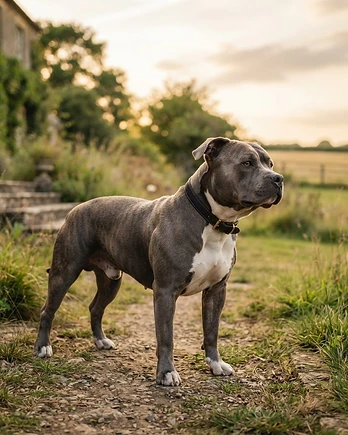
Before diving into care specifics, it helps to understand what you're working with. The American Bully is a purpose-bred companion dog developed in the 1980s and 1990s from American Pit Bull Terrier and American Staffordshire Terrier lineages, with influences from breeds like the American Bulldog and English Bulldog. Recognized by the American Bully Kennel Club (ABKC) and the United Kennel Club (UKC), the breed comes in four size classes: Pocket, Standard, Classic, and XL.
Adult weight ranges vary significantly by class — Pocket Bullies typically weigh 30–50 lbs, Standard and Classic Bullies 65–85 lbs, and XL Bullies 80–120+ lbs. These weight and structural differences directly influence exercise load, joint health considerations, caloric requirements, and life expectancy. Understanding your dog's size class is step one of proper care. For a deep dive into breed history, conformation standards, and temperament, visit The Complete American Bully Breed Guide: Everything You Need to Know.
Life-Stage Care Overview
American Bully care is not one-size-fits-all — it evolves across four primary life stages:
- Puppyhood (8 weeks – 12 months): Rapid physical growth, neural development, socialization windows, and vaccination schedules
- Adolescence (12 months – 24 months): Hormonal changes, continued skeletal maturation, behavioral testing, and advanced training
- Prime Adult (2–7 years): Peak physical condition, maintenance nutrition, consistent exercise, and preventive health screening
- Senior (7+ years): Joint support, adjusted caloric intake, increased veterinary monitoring, and comfort-focused environmental modifications
Each stage has distinct nutritional, physical, and emotional needs. A care plan appropriate for an 8-week-old puppy can actually harm a senior dog, and vice versa. The sections below address each stage in depth.
Puppy Care: The First Year (8 Weeks – 12 Months)
Bringing Your Puppy Home
The transition from breeder to home typically happens between 8 and 10 weeks of age. During this period, puppies are in a critical socialization window (roughly 3–14 weeks) during which positive exposure to people, sounds, environments, and other animals shapes lifelong temperament. Missed socialization opportunities during this window are very difficult to recover later.
On day one, establish a dedicated sleeping space — a crate lined with a soft blanket that carries the scent of their littermates helps ease the transition. Keep the first 48–72 hours calm and low-stimulation. Introduce one family member at a time. Avoid overwhelming the puppy with guests, loud noises, or rapid environmental changes.
Puppy Vaccination and Veterinary Schedule
Your puppy should arrive with at least one round of core vaccinations (typically a DA2PP combination covering distemper, adenovirus, parvovirus, and parainfluenza) administered at 6–8 weeks. Your veterinarian will continue the series:
- 8–10 weeks: DA2PP booster
- 12–14 weeks: DA2PP booster + Bordetella + optional Leptospirosis
- 16–18 weeks: Final DA2PP booster + Rabies vaccine
- 12–16 months: Annual boosters begin
Heartworm prevention should begin at 8 weeks (products like Heartgard or Interceptor are labeled for puppies). Flea and tick prevention (Nexgard, Simparica) can begin at 8 weeks as well. We recommend establishing a relationship with a veterinarian familiar with brachycephalic-adjacent blocky-headed breeds, as some anesthetic protocols require adjustment.
Puppy Nutrition: Fueling Rapid Growth
American Bully puppies grow rapidly and require a diet formulated for large- or medium-breed puppies with controlled calcium-to-phosphorus ratios. Over-supplementing calcium during growth phases can accelerate skeletal development unevenly, contributing to conditions like hypertrophic osteodystrophy (HOD) or osteochondrosis dissecans (OCD).
Look for kibble with:
- Crude protein: 28–32%
- Fat: 14–18%
- Calcium: 1.0–1.8% (dry matter basis)
- AAFCO statement: "formulated to meet the nutritional levels established by the AAFCO Dog Food Nutrient Profiles for growth"
Feed 3 times daily until 12 weeks, then transition to 2 meals per day. Measure every meal — free feeding a Bully puppy leads to rapid excess weight gain that stresses developing joints. Raw feeding (BARF or prey model) is practiced by many Bully owners but requires careful formulation to avoid nutritional imbalances; consult a veterinary nutritionist if you choose this route.
Puppy Exercise: Less Is More
This is one of the most misunderstood aspects of Bully puppy care. American Bully puppies have open growth plates (physeal cartilage) until approximately 12–18 months depending on size class. High-impact, repetitive exercise — running on hard surfaces, jumping, intense fetch sessions — before growth plate closure risks physeal fractures and permanent joint damage.
The widely accepted guideline is 5 minutes of structured exercise per month of age, twice daily. A 4-month-old puppy needs only 20 minutes of structured walking twice daily. Free play on soft surfaces (grass, carpet) is fine. Avoid stairs, jumping on/off furniture, and forced running until 12 months minimum (18 months for XL class).


A blocky, muscular American Bully puppy trots happily across a green lawn during a brief, supervised exercise session, illustrating the importance of age-appropriate, low-impact activity during the first year of life.
Adolescent Care (12–24 Months)
The adolescent phase brings hormonal surges, increased confidence, and sometimes behavioral pushback — the "teenage" phase many owners find surprising after the compliant puppy months. This is not a character flaw; it is neurological development. Consistency in training, clear boundaries, and positive reinforcement are essential.
This is also the phase when spay/neuter decisions are most consequential. Current veterinary evidence, including studies from UC Davis, suggests that early spay/neuter (before 12 months) in larger breeds correlates with increased rates of joint disorders and certain cancers due to the removal of sex hormones before skeletal maturation. We recommend discussing timing with your veterinarian. Many ethical breeders now advise waiting until 18–24 months for XL Bullies.
Exercise can gradually increase after 12 months. Introduce longer leash walks (30–45 minutes), light hiking on natural terrain, and swimming — an excellent low-impact cardiovascular exercise for heavily muscled dogs. Structured play sessions, tug, flirt poles, and weight-appropriate resistance work can begin, but always monitor for fatigue, limping, or soreness the day after activity.
Adult Care: Maintaining Peak Condition (2–7 Years)
Daily Routine for an Adult American Bully
Consistency is the cornerstone of a well-adjusted, healthy adult Bully. A sample daily routine:
| Time | Activity | |------|----------| | 7:00 AM | Morning walk (30–45 min) + breakfast | | 12:00 PM | Midday potty break + brief enrichment activity | | 5:30 PM | Evening walk or play session (30–45 min) | | 6:00 PM | Dinner | | 9:00 PM | Evening wind-down, crate or bed |
Adult Bullies need 60–90 minutes of moderate exercise daily, split into two sessions. They are not marathon runners — they are powerful, moderately active dogs who thrive on consistent, moderate activity rather than extreme endurance. Mental stimulation (puzzle feeders, training sessions, nose work) is equally important and reduces destructive behavior.
Adult Nutrition
Transition from puppy formula to an adult formula between 12–18 months. Adult American Bullies do well on high-protein (26–30% crude protein), moderate-fat (12–16%) diets. Caloric needs vary widely by size class and activity level:
- Pocket Bully (30–50 lbs, moderately active): ~900–1,200 kcal/day
- Standard/Classic (65–85 lbs, moderately active): ~1,400–1,800 kcal/day
- XL (80–120 lbs, moderately active): ~1,800–2,400 kcal/day
Obesity is the single most preventable health threat facing the American Bully. Excess body weight accelerates hip dysplasia, elbow dysplasia, and intervertebral disc disease — all conditions the breed is already predisposed to. You should be able to feel (but not prominently see) your Bully's ribs. A visible "waist" when viewed from above indicates healthy body condition score (BCS 4–5 on a 9-point scale).
For more on nutrition specifics, refer to our dedicated cluster article: The Complete American Bully Care Guide: Puppyhood to Senior Years.
Grooming: Coat, Skin, Ears, Nails, and Teeth
The American Bully's short, close-lying coat is low-maintenance compared to double-coated breeds, but consistent grooming remains essential — both for hygiene and for early detection of skin conditions, parasites, and abnormal lumps.
Brushing: Weekly brushing with a rubber curry brush or grooming mitt removes dead hair, distributes natural oils, and stimulates circulation. During shedding seasons (spring and fall), brush 2–3 times per week.
Bathing: Every 4–6 weeks with a gentle, pH-balanced canine shampoo. American Bullies are prone to skin fold dermatitis and seborrhea — use a medicated shampoo (chlorhexidine or ketoconazole-based) if your vet identifies recurring skin infections. Dry skin folds thoroughly after every bath.
Ears: Check weekly for redness, odor, or excess wax. Clean monthly with a veterinarian-approved ear cleaning solution. Bullies with tighter ear carriage (rose ears) may be more prone to moisture retention.
Nails: Trim every 3–4 weeks. Overgrown nails alter gait mechanics and can contribute to joint stress in heavy-boned dogs. If you hear clicking on hard floors, the nails are too long. Introduce nail handling from 8 weeks onward to desensitize.
Teeth: Daily brushing with an enzymatic pet toothpaste is the gold standard for preventing periodontal disease, which affects over 80% of dogs over age 3. Dental disease is a systemic health issue — bacteria from the oral cavity can affect the heart, kidneys, and liver. Supplement brushing with VOHC-approved dental chews.
For in-depth grooming guidance, see The Complete American Bully Care Guide: Puppyhood to Senior Years.


An owner uses a rubber curry brush to groom a short-coated adult American Bully, demonstrating the weekly grooming routine that supports coat health, skin fold hygiene, and early detection of dermatological conditions.
Preventive Health Screening
Ethical breeders like us health-test breeding stock through OFA (Orthopedic Foundation for Animals) for hip dysplasia, elbow dysplasia, cardiac health, and eye conditions. As an owner, your role in preventive health includes:
- Annual wellness exams: Complete physical, fecal parasite testing, heartworm test, and vaccination updates
- Hip and elbow radiographs: Recommended at 24 months for baseline documentation
- Cardiac auscultation: Annual screening for murmurs given the breed's predisposition to congenital heart conditions
- CAER eye exam: Every 1–2 years for dogs with merle coloration (double merle carries significant ocular risk)
- Thyroid panel: Hypothyroidism presents in Bullies; symptoms include weight gain, lethargy, and coat changes
Learn more about our breeding program and the health testing protocols we apply to every pairing.
Home and Yard Safety
American Bullies are powerful, curious, and occasionally impulsive — a combination that makes home and yard safety genuinely important. Puppy-proofing should be completed before your dog arrives and revisited as they grow.
Indoor hazards:
- Toxic foods: grapes, raisins, xylitol (sugar-free products), macadamia nuts, onions, chocolate, and caffeine are acutely toxic
- Household chemicals stored in low cabinets (cleaners, antifreeze, medications)
- Electrical cords accessible to puppies
- Small objects that can be swallowed and cause intestinal obstruction
Yard safety:
- Fencing: A minimum 6-foot privacy fence is recommended. American Bullies are surprisingly agile and determined when motivated. Avoid chain-link fencing that provides toe-holds for climbing. Check for gaps and dig-proof the fence line if your dog is a digger.
- Toxic plants: Common yard plants that are toxic to dogs include sago palm (highly toxic), oleander, azalea, lantana, and certain mushrooms. Austin's warm climate supports many of these plants — audit your yard.
- Heat management: Austin summers regularly exceed 100°F. American Bullies, with their blocky heads and shorter muzzles, have reduced thermoregulatory capacity compared to longer-muzzled breeds. Always provide shade, fresh water, and limit outdoor activity to early morning and evening during peak summer months.
- Pool safety: Many Bullies are poor swimmers due to their heavy, front-loaded body structure. If you have a pool, fence it or use a canine life vest.
For detailed guidance on creating a safe home environment, visit The Complete American Bully Care Guide: Puppyhood to Senior Years.
Seasonal Care in Austin, Texas
Summer (May–September)
Heat-related illness (hyperthermia) is a genuine emergency risk. Signs of heat exhaustion include excessive panting, thick saliva, bright red gums, disorientation, and vomiting. Move the dog to a cool environment, apply cool (not cold) water to the groin and paw pads, and seek emergency veterinary care immediately.
Walk on grass rather than asphalt — pavement can reach 150°F+ on a 90°F day and causes paw pad burns. Keep outdoor sessions under 20 minutes in extreme heat. A kiddie pool in the shade provides excellent cooling enrichment.
Fall and Spring
Fleaand tick pressure in Central Texas is year-round but spikes in fall and spring. Maintain flea/tick prevention without interruption. Check for ticks after every outdoor session, paying attention to ears, groin, and between toes.
Winter
Austin winters are mild, but cold snaps (below 40°F) do occur. Despite their muscular build, American Bullies have a single, short coat with minimal insulating undercoat. A well-fitted dog jacket is appropriate below 45°F for extended outdoor time. Puppies and seniors feel cold more acutely.
Seasonal allergies are common in Austin's high-allergen environment. Bullies with environmental allergies (atopic dermatitis) may show symptoms seasonally — paw licking, facial rubbing, skin redness, and recurrent ear infections. Discuss antihistamine or Apoquel/Cytopoint protocols with your vet.
For seasonal wellness details, see The Complete American Bully Care Guide: Puppyhood to Senior Years.
Travel With an American Bully
American Bullies are adaptable travelers when properly prepared. Key considerations:
- Vehicle safety: A crash-tested crate or a seatbelt harness (tested by the Center for Pet Safety) is essential. Unrestrained dogs become projectiles in accidents.
- Airline travel: Most major airlines prohibit brachycephalic and brachycephalic-adjacent breeds in cargo due to respiratory risk. If flying, confirm carrier policies well in advance. Cabin travel in an approved carrier may be possible for Pocket Bullies under 20 lbs.
- Hotels: Research pet policies before booking — weight limits often exclude Standard and XL Bullies. Pet-friendly platforms like BringFido list verified accommodations.
- Hydration and feeding: Maintain the same feeding schedule when traveling to avoid digestive upset. Bring enough of your dog's current food for the trip — sudden diet changes combined with travel stress can cause acute gastroenteritis.
- Documentation: Carry a copy of vaccination records, especially rabies certificate, when crossing state lines.
For travel tips and on-the-road care, explore The Complete American Bully Care Guide: Puppyhood to Senior Years.
Senior Care (7+ Years)
The American Bully's average lifespan is 10–12 years for Pocket and Standard classes, and 8–10 years for XL class. The senior years bring gradual changes that require thoughtful adjustments.
Joint health: Osteoarthritis is common in senior Bullies, particularly in the hips and elbows. Signs include stiffness after rest, reluctance to jump, and behavioral changes. Supportive interventions include:
- Veterinarian-prescribed NSAIDs (carprofen, meloxicam, grapiprant)
- Omega-3 fatty acids (EPA/DHA from fish oil) — 20–55 mg/kg body weight daily has evidence for anti-inflammatory effect
- Glucosamine and chondroitin supplementation (research is mixed but frequently recommended)
- Orthopedic memory foam dog beds
- Ramps or steps to assist with furniture access
Cognitive changes: Canine cognitive dysfunction syndrome (CDS), comparable to dementia in humans, affects an estimated 28% of dogs aged 11–12. Signs include disorientation, altered sleep-wake cycles, and house-training regression. Apoaequorin (Neutricks), sam-e, and prescription medications like selegiline can slow progression.
Senior nutrition: Caloric needs often decrease 20–30% in senior dogs due to reduced metabolic rate, but protein needs remain high or even increase to maintain muscle mass. Look for senior formulas with joint-supporting additives and controlled phosphorus levels to protect kidney function.
Veterinary frequency: Increase wellness exams to twice yearly at age 7+. Senior bloodwork panels (CBC, chemistry, urinalysis, thyroid) establish baselines and catch organ function decline early — often when intervention is still effective.
For complete senior Bully care guidance, see The Complete American Bully Care Guide: Puppyhood to Senior Years.
Mental Health, Enrichment, and Emotional Wellbeing
The American Bully is a people-oriented breed with genuine emotional depth. They are not well-suited for isolation — extended periods alone without enrichment lead to anxiety, destructive behavior, and depression. If your schedule requires long absences, a dog walker, doggy daycare, or a canine companion should be part of your care plan.
Enrichment ideas suited to the Bully's intelligence and strength:
- Snuffle mats and lick mats for slowing meals and engaging the nose
- Kong toys stuffed with frozen wet food or peanut butter for extended solo engagement
- Flirt poles for high-intensity burst exercise without joint impact
- Nose work and scent training — a mentally tiring and deeply satisfying activity
- Obedience and trick training — American Bullies are highly food-motivated and excel at structured positive reinforcement training
For enrichment protocols and behavioral wellness, explore The Complete American Bully Care Guide: Puppyhood to Senior Years and our full resource library.
Common Myths About American Bully Care — Corrected
Myth: American Bullies need very high-protein diets (40%+) to maintain muscle mass. Fact: Excess dietary protein above what is used for muscle synthesis is simply metabolized for energy or stored as fat. Diets with 26–32% crude protein from high biological-value sources (chicken, beef, fish) are entirely sufficient. Very high-protein diets can actually increase renal solute load, which is a concern for dogs with any kidney vulnerability.
Myth: More exercise = better muscle development. Fact: Muscle development in dogs is primarily genetic and diet-driven. Excessive high-impact exercise, especially in puppies and seniors, causes injury rather than improvement. Appropriate, age-calibrated exercise maintains condition; it doesn't sculpt it.
Myth: Bullies don't need grooming because they have short hair. Fact: Regular grooming is essential for skin fold hygiene, coat health, parasite detection, and nail maintenance regardless of coat length.
Key Takeaways
- American Bully care must be calibrated to life stage — puppyhood, adolescence, prime adult, and senior years each have distinct needs
- Growth plate protection in puppies (no high-impact exercise before 12–18 months) is critical to long-term joint health
- Obesity is the most preventable health threat; monitor body condition score monthly
- Consistent grooming — including skin folds, ears, nails, and teeth — prevents most common dermatological and dental issues
- Austin's heat demands year-round vigilance; never leave a Bully outdoors unattended in summer heat
- Preventive veterinary care (OFA screening, annual wellness, senior bloodwork panels) catches problems before they become expensive emergencies
- Mental enrichment is as important as physical exercise for this emotionally intelligent breed
- Senior Bullies deserve proactive joint support, dietary adjustment, and increased veterinary monitoring from age 7 onward
Frequently Asked Questions
How much exercise does an American Bully need daily?
Adult American Bullies thrive on 60–90 minutes of moderate exercise daily, split into morning and evening sessions. This can include leash walking, swimming, flirt pole play, or hiking. The key word is moderate — this breed was developed for companionship, not endurance athletics. Puppies under 12 months should follow the 5-minutes-per-month-of-age rule twice daily to protect open growth plates. Senior Bullies should continue regular, gentle movement (30–45 minutes daily) to maintain joint mobility and healthy weight, adjusted based on comfort and veterinary guidance.
What should I feed my American Bully puppy?
Feed an AAFCO-certified large- or medium-breed puppy formula with 28–32% crude protein, 14–18% fat, and controlled calcium levels (1.0–1.8% DM). Avoid adult formulas and generic puppy foods that lack the nutrient density and calcium-phosphorus balance growing Bullies need. Feed three meals daily until 12 weeks, then two meals. Measure portions carefully — overfeeding a Bully puppy accelerates skeletal growth unevenly and sets the stage for lifelong joint problems. Raw diets can be used but require professional formulation.
Are American Bullies good with children and other pets?
American Bullies are widely considered one of the most reliably family-friendly breeds. Their temperament is characterized by patience, affection, and a strong desire to please — the ABKC breed standard explicitly describes the ideal temperament as "confident, yet not aggressive." With proper socialization from puppyhood, most Bullies coexist beautifully with children and other dogs. Interactions with small children should always be supervised, not because of aggression risk but because an excited 80-lb dog can knock a toddler over unintentionally. Early socialization with cats and small animals produces the best outcomes.
How do I keep my American Bully's skin healthy?
American Bullies are predisposed to several skin conditions including atopic dermatitis, folliculitis, and skin fold dermatitis. Preventive measures include bathing every 4–6 weeks with a pH-balanced or medicated shampoo, thoroughly drying all skin folds after bathing, weekly coat brushing, and year-round flea prevention (fleas are a major trigger for flea allergy dermatitis). Omega-3 fatty acid supplementation (fish oil) supports skin barrier function. If you notice chronic itching, redness, odor from skin folds, or recurrent ear infections, consult a veterinary dermatologist — underlying allergies often require targeted treatment beyond home care.
What are the most common health problems in American Bullies?
The most frequently seen health concerns include hip dysplasia, elbow dysplasia, congenital cardiac conditions (aortic stenosis, pulmonic stenosis), skin and environmental allergies, hypothyroidism, and cherry eye. Larger size classes (XL) carry higher statistical risk of orthopedic disease due to the biomechanical stress of greater body mass. Choosing a puppy from health-tested parents with OFA clearances significantly reduces — though does not eliminate — risk. Maintaining healthy body weight throughout life is the single most impactful owner-controlled variable for musculoskeletal health.
When should I transition my American Bully to a senior diet?
Most American Bullies benefit from transitioning to a senior or mature formula around age 7. However, the more important indicator than age is body condition and health status — a lean, active 7-year-old may thrive on an adult maintenance formula, while a dog showing early kidney changes may need a kidney-supportive diet sooner. Work with your veterinarian to evaluate annual bloodwork and body condition score before making the switch. Senior diets typically feature reduced calories and phosphorus, joint-supporting additives, and easily digestible protein sources.
Your Bully Journey Starts Here
Owning an American Bully is a decade-plus commitment of intentional care, and we genuinely believe you're up to it — especially now that you have this guide. The breed gives back everything you invest and then some. Every well-cared-for Bully is an ambassador for this misunderstood, magnificent breed.
If you're ready to bring one of these incredible dogs into your life, meet our current puppies: the stunning Atlas — Lilac Tri-Color Male, the charming Bowie — Blue Tri Male, the bold Diesel — Chocolate Tri Male, the beautiful Ella — Lilac Tri Female, and the one-of-a-kind Hazel — Merle Female. Each puppy is ABKC-registered, health-checked, and raised with the same love and standards described throughout this guide.
Have questions about care, compatibility, or our program? We'd love to talk — contact us any time. And explore our full resource library for breed guides, training resources, and everything else you need to raise an exceptional American Bully.