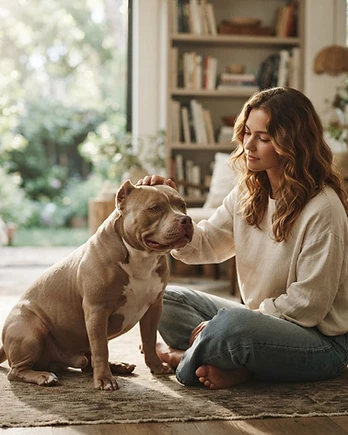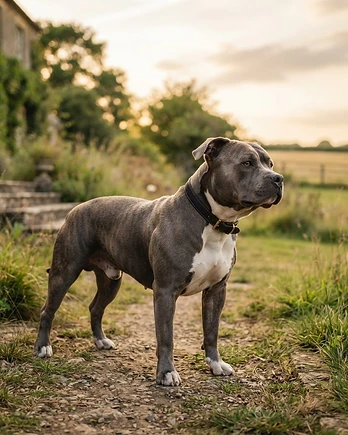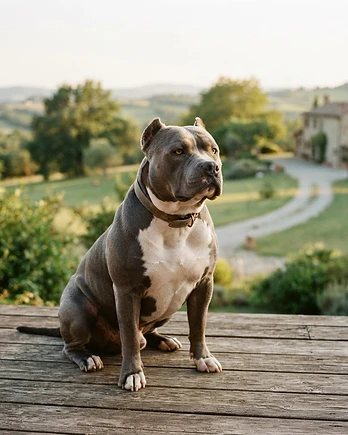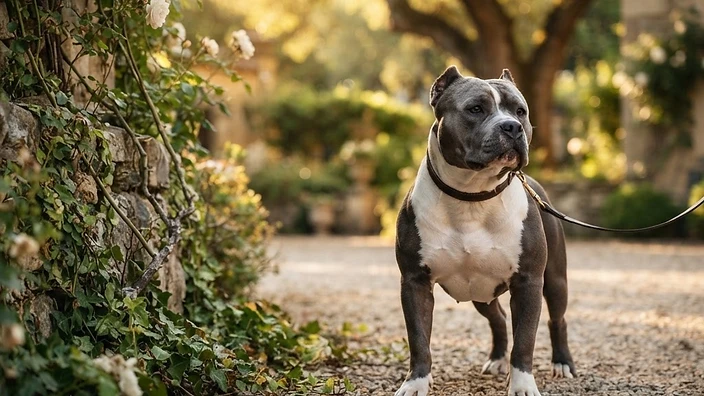
Few breeds inspire as much admiration — and as much misunderstanding — as the American Bully. Compact yet commanding, gentle yet athletic, this breed was purpose-built to be the ultimate family companion. Whether you've been researching for months or just stumbled across your first photo of a blocky-headed, barrel-chested Bully and felt something click, you're in the right place.
At American Bully Haven Pups in Austin, Texas, we've dedicated our program to producing ABKC- and UKC-registered American Bullies that embody everything this breed was meant to be: structurally sound, genetically health-tested, and emotionally rock-solid. We've seen firsthand how transformative it is when the right Bully meets the right family. This guide is our way of sharing everything we know.
This is the most comprehensive American Bully breed resource we've ever written. We'll cover the breed's origin and history, the four ABKC-recognized size varieties, the official conformation standard, every coat color and the genetics behind them, the most influential bloodlines, and honest answers to the questions prospective owners ask most. By the end, you'll understand not just what the American Bully is, but what makes this breed genuinely extraordinary. Let's dive in.
Origin and History of the American Bully
The American Bully is a young breed by cynological standards, developed in the United States primarily between the mid-1980s and the late 1990s. Breeders — most prominently on the East and West Coasts — sought to create a companion-focused dog that retained the athletic build of the American Pit Bull Terrier (APBT) while amplifying its gentleness, sociability, and physical mass.
Foundation Breeds and Genetic Contributors
The primary foundation of the American Bully is the American Pit Bull Terrier (APBT) and the American Staffordshire Terrier (AmStaff). To add the characteristic heavy bone, broader chest, and exaggerated musculature that distinguish the Bully from its APBT ancestors, early breeders selectively introduced several molosser-type breeds, including:
- American Bulldog — for added mass and a broader skull
- English Bulldog — for a shorter, more compact body and increased chest width
- Olde English Bulldogge — for structural bulk and a calmer disposition
- Staffordshire Bull Terrier — for tenacity and a compact frame
The result was a phenotypically distinct dog that, by the early 2000s, had accumulated enough consistent breed characteristics to warrant formal recognition.
Formal Recognition: ABKC and UKC
The American Bully Kennel Club (ABKC) was founded in 2004 specifically to register, standardize, and promote the American Bully breed. The ABKC established the official breed standard that defines four size varieties and outlines conformation criteria for show competition. In 2013, the United Kennel Club (UKC) — one of the oldest and largest all-breed registries in the world — officially recognized the American Bully as a distinct breed, further cementing its legitimacy on the national stage.
At American Bully Haven Pups, every litter we produce is dual-registered with both the ABKC and UKC, ensuring our puppies carry the documentation and pedigree traceability that responsible ownership demands. Learn more about our breeding program and the standards we hold ourselves to.
The Four ABKC-Recognized Size Varieties
One of the most common sources of confusion for new enthusiasts is the American Bully's size classification system. The ABKC recognizes four official varieties, differentiated primarily by height at the withers — not by weight alone.

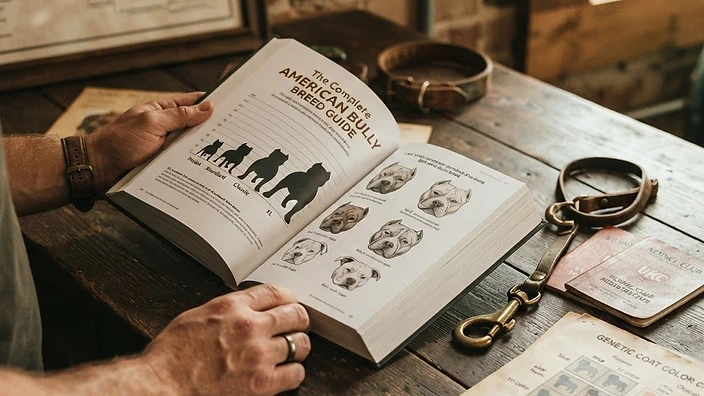
A visual comparison of the four official American Bully size varieties recognized by the ABKC: Pocket, Standard, Classic, and XL, illustrating the height and structural differences that define each classification.
Pocket Bully
The Pocket Bully is the smallest ABKC variety. Males measure under 17 inches at the withers (typically 14–17 inches); females measure under 14 inches (typically 13–16 inches). Despite the name, Pocket Bullies are not small dogs in terms of mass — they carry enormous muscle and bone density for their height, often weighing between 11–22 kg (25–50 lbs). This variety is enormously popular because it delivers the full visual impact of the breed in a more apartment-friendly package.
Standard Bully
The Standard is the foundational variety — the prototype from which all other sizes are measured. Males stand 17–20 inches at the withers; females 16–19 inches. Weight typically ranges from 25–40 kg (55–88 lbs). The Standard strikes the ideal balance of athleticism and mass, and most conformation show classes use the Standard as the benchmark.
Classic Bully
The Classic Bully shares the same height range as the Standard but has a lighter body frame, less overall body mass, and a less exaggerated build. This variety most closely resembles the American Pit Bull Terrier in silhouette, with a leaner, more athletic physique. The Classic is often overlooked by newer enthusiasts drawn to extremes, but it's prized by those who appreciate the breed's working-dog heritage.
XL Bully
The XL Bully is the largest variety. Males stand 20–23 inches at the withers; females 19–22 inches. XL Bullies can weigh anywhere from 45–65+ kg (99–145+ lbs) in well-muscled individuals. They retain all the hallmark Bully temperament traits in a substantially larger package. Structural soundness is especially critical in XL Bullies, making ethical breeding and OFA hip and elbow evaluations non-negotiable.
Quick Comparison Table
| Variety | Male Height | Female Height | Typical Weight Range | |---------|-------------|---------------|----------------------| | Pocket | Under 17 in | Under 14 in | 25–50 lbs | | Standard | 17–20 in | 16–19 in | 55–88 lbs | | Classic | 17–20 in | 16–19 in | 50–75 lbs (lighter frame) | | XL | 20–23 in | 19–22 in | 99–145+ lbs |
Note on "Micro" and "XXL": These are marketing terms, not ABKC-recognized varieties. "Micro Bullies" typically fall within or below the Pocket standard, while "XXL" dogs exceed XL height parameters. Neither is recognized in formal conformation.
American Bully Temperament: The Breed's Greatest Attribute
If you read nothing else in this guide, read this section. The American Bully's temperament is the cornerstone of the breed — and it is overwhelmingly misrepresented in popular media.
The ABKC breed standard explicitly describes the ideal American Bully as "outgoing and stable, eager to please, and highly adaptable." This is a dog bred away from dog aggression and human aggression, toward maximum sociability and human bonding. Key temperament traits include:
- Human-directed affection: American Bullies are intensely people-oriented. They crave physical closeness, thrive on positive interaction, and are often described as "velcro dogs" by their owners.
- Confidence without aggression: A correctly bred Bully is self-assured and curious, not skittish or reactive. Fearfulness and aggression are considered serious faults under the ABKC standard.
- Gentleness with children: The breed has earned an authentic reputation as a "nanny dog" archetype — patient, tolerant, and protective without being aggressive.
- Trainability: High food motivation, a desire to please, and moderate-to-high intelligence make American Bullies very trainable with consistent, positive reinforcement methods.
- Energy level: Moderate. They need 30–60 minutes of daily exercise but are equally content relaxing indoors with family.
Temperament vs. Misconception
The most damaging misconception about the American Bully is that it is inherently aggressive because of its physical appearance and shared ancestry with fighting breeds. This is factually incorrect. The breed was specifically developed to remove gameness and dog-directed aggression while amplifying sociability. Breed-wide temperament testing consistently shows American Bullies scoring well above average for human friendliness. Aggression in any individual dog is almost always attributable to poor socialization, abuse, or irresponsible breeding — not breed-inherent traits.
ABKC Conformation Standard: What Judges Look For
Understanding the ABKC conformation standard is essential for evaluating breeding quality. Here are the key criteria:
Head and Skull
The American Bully should have a large, broad skull with a pronounced stop, well-defined cheek muscles (zygomatic arch), and a wide, deep muzzle. The muzzle-to-skull ratio should be approximately 1:2 or 1:3, giving the breed its characteristic blocky appearance. Loose, excessive skin or exaggerated wrinkling is not desired.
Body and Structure
The chest should be broad, deep, and well-sprung, with a wide front stance. The topline is level to slightly sloping toward the hindquarters. The neck should be heavy, muscular, and slightly arched, blending smoothly into the shoulders. Bone density should be substantial — light, fine-boned individuals are considered a fault.
Coat and Color
The coat is short, close, stiff to the touch, and glossy. All colors and patterns are accepted by the ABKC standard except merle, which is a disqualification in conformation — though merle-coated dogs are still ABKC registerable. There are no restrictions on color for registration purposes.
Movement (Gait)
The Bully should move with confidence, drive, and fluidity. Paddling, crabbing, or any gait abnormality indicative of structural unsoundness is a serious fault. Correct angulation in both the shoulder and hip assemblies is critical to sound, efficient movement.
Disqualifying Faults
- Merle coat (in conformation)
- Albinism
- Viciousness toward humans
- Unilateral or bilateral cryptorchidism in males
- Height outside the standard for the variety
Coat Colors and Genetics
The American Bully's palette of coat colors is one of the most diverse of any breed, and understanding the genetics behind them adds a whole new dimension to appreciating these dogs.

A collection of American Bully puppies displaying the breed's extraordinary range of coat colors and patterns, including lilac tri, blue tri, chocolate, and merle — each produced by specific genetic combinations at the MLPH, TYRP1, and agouti loci.
Base Colors and Dilutes
All canine coat color is ultimately controlled by two base pigments: eumelanin (black/brown) and phaeomelanin (red/yellow). The interaction of multiple gene loci produces the Bully's stunning variety:
- Black — dominant eumelanin expression (K locus, A locus)
- Blue — dilute black, caused by the d/d genotype at the MLPH (dilution) locus. Meet Bowie — Blue Tri Male American Bully puppy, a stunning example of blue coat expression.
- Chocolate (Brown) — bb genotype at the TYRP1 (B locus); eumelanin is shifted from black to brown. Diesel — Chocolate Tri Male American Bully puppy showcases rich chocolate pigmentation.
- Lilac — the double dilute: bb (chocolate) and d/d (blue dilution), producing a soft grayish-purple hue. Atlas — Lilac Tri-Color Male American Bully puppy and Ella — Lilac Tri Female American Bully puppy are breathtaking examples of this rare combination.
- Fawn and Buckskin — phaeomelanin expression with varying eumelanin influence
- Red — intense phaeomelanin with minimal eumelanin restriction
- Champagne — dilute red (d/d on a red base)
Patterns and Modifiers
- Tri-color — expression of the at allele at the A locus (agouti), producing tan/rust points alongside the base color. Tri-color Bullies display tan points above the eyes, on the cheeks, chest, and legs — similar to Rottweiler or Doberman markings.
- Merle — caused by the PMEL17 (M locus) insertion, creating a mottled, dappled pattern. Hazel — Merle Female American Bully puppy is a gorgeous example. Double merle (M/M) breeding is strongly condemned due to associated risks of blindness and deafness — responsible breeders always pair merle to non-merle.
- Piebald — white spotting caused by the MITF (S locus)
- Brindle — striped pattern overlaying base color, controlled by the K locus (kbr allele)
- Ghost tan / Ghost tri — subtle tan points nearly obscured by a darker base color
Influential Bloodlines in the American Bully
Bloodlines tell the story of how this breed was built. The most celebrated lines shaped the Bully's phenotype and laid the genetic foundation still referenced by top breeders today.
Razors Edge
Developed by Dave Wilson of Razors Edge Kennels in the Washington D.C. area, this is arguably the most influential foundation bloodline in American Bully history. Razors Edge dogs were known for their wide chests, heavy bone, and notably gentle temperament. The line's influence is present in the pedigree of virtually every modern American Bully.
Gottiline
Founded by Richard Barajas around the legendary sire Juan Gotty, the Gottiline added extreme width, shorter stature, and a more exaggerated bully phenotype. Juan Gotty is widely regarded as the most reproduced stud in Bully history, having sired or grandsired thousands of offspring.
Remyline
Developed by Fabian Chichester, Remyline is known for producing dogs with exceptional muscle density, correct structure, and superb temperament. The bloodline has had significant influence on the XL variety.
Mikeland
Another foundational line known for producing consistent type, heavy muscle, and a broad, blocky head. Mikeland genetics are commonly found in elite show-winning pedigrees.
Other Notable Lines
- Kurupt Bloodline — known for producing Pocket and Micro-sized dogs with extreme mass
- Kimura — associated with the West Coast breeding movement and XL-type dogs
- Nakamoto — contributed significantly to the XL and XXL phenotype
Understanding bloodlines is critical when evaluating a pedigree. For a deeper dive into conformation, genetics, and what to look for in a quality pedigree, explore our full resource library.
American Bully vs. Related Breeds: Key Distinctions
The American Bully is frequently confused with related breeds. Here's how to distinguish them:
| Feature | American Bully | American Pit Bull Terrier | American Staffordshire Terrier | American Bulldog | |---|---|---|---|---| | Build | Heavier, wider, more compact | Athletic, moderate build | Stocky but leaner than Bully | Large, powerful | | Head | Extremely broad, blocky | Wedge-shaped, moderate | Broad but less extreme | Broad, heavy | | ABKC Recognition | Yes (primary registry) | No | No | No | | Gameness | Bred out | Historically present | Moderate | Low | | Primary Purpose | Companion | Historically working/sport | Show/companion | Farm/guardian |
The critical distinction: the American Bully is NOT an American Pit Bull Terrier. While it shares genetic ancestry, it is a separate breed with a distinct standard, separate registries, and a phenotype deliberately developed away from the APBT's working-dog characteristics.
Health, Lifespan, and Responsible Breeding Practices
The American Bully's average lifespan is 10–12 years for Standard and Classic varieties, with XL Bullies sometimes trending slightly shorter due to the physiological demands of greater body mass. Common health concerns include:
- Hip and elbow dysplasia — particularly relevant in XL Bullies; OFA (Orthopedic Foundation for Animals) radiographic evaluation is the gold standard
- Brachycephalic obstructive airway syndrome (BOAS) — more prevalent in individuals with extremely short muzzles; avoid breeding for extreme brachycephaly
- Demodectic mange — associated with immune system genetics in some lines
- Cardiac conditions — including congenital heart defects; echocardiographic screening is recommended
- Hereditary cataracts — CAER (Companion Animal Eye Registry) examination is recommended before breeding
At American Bully Haven Pups, our sires and dams undergo OFA hip and elbow evaluations, cardiac screening, and CAER eye exams before any breeding takes place. This is non-negotiable. For a complete breakdown of health milestones across your Bully's life, read The Complete American Bully Care Guide: Puppyhood to Senior Years.
Registration: ABKC vs. UKC — What You Need to Know
ABKC (American Bully Kennel Club)
Founded in 2004, the ABKC is the primary breed-specific registry for the American Bully. It maintains the official breed standard, sanctions conformation shows, and issues pedigree papers. ABKC registration is generally considered the gold standard for American Bully documentation.
UKC (United Kennel Club)
Founded in 1898, the UKC is one of the oldest multi-breed registries in the world. It recognized the American Bully in 2013 under its own standard, which shares many characteristics with the ABKC standard but has minor differences in interpretation. UKC registration opens access to performance events beyond conformation, including weight pull and agility.
Why Dual Registration Matters
Dual ABKC/UKC registration — as practiced at American Bully Haven Pups — maximizes a puppy's documented pedigree integrity, opens access to more competition venues, and provides a second layer of verification for buyers.
Key Takeaways
- The American Bully was developed in the 1980s–1990s from APBT, AmStaff, and molosser-type foundation breeds, primarily for companionship.
- The ABKC recognizes four official size varieties: Pocket, Standard, Classic, and XL — classified by height at the withers.
- Temperament is the breed's defining strength: confident, affectionate, human-focused, and non-aggressive by design.
- The ABKC conformation standard emphasizes a broad skull, heavy bone, wide chest, level topline, and sound movement. Merle is a disqualification in conformation but not in registration.
- Coat color genetics in the Bully include base colors (black, blue, chocolate, lilac), patterns (tri, merle, brindle, piebald), and dilutes — with lilac and merle being among the most visually striking.
- Foundational bloodlines — Razors Edge, Gottiline, Remyline — shaped modern type and are still referenced in elite pedigrees.
- The American Bully is a distinct breed, separate from the American Pit Bull Terrier, despite shared ancestry.
- Responsible breeding requires OFA hip/elbow, cardiac, and CAER eye health testing.
- Dual ABKC/UKC registration provides maximum pedigree documentation and competition access.
Frequently Asked Questions
Is the American Bully the same as a Pit Bull?
No. While the American Bully shares genetic ancestry with the American Pit Bull Terrier, it is a distinct breed recognized separately by the ABKC (2004) and UKC (2013). The Bully was deliberately bred to be heavier, more compact, and less driven than the APBT, with gameness and working-dog traits selectively reduced. The two breeds have different breed standards, different registries, and visually distinct phenotypes. Calling an American Bully a "Pit Bull" is both technically incorrect and perpetuates harmful misconceptions about both breeds.
Are American Bullies good family dogs?
Absolutely — they are among the best. The breed was purpose-designed as a companion and family dog. American Bullies are typically excellent with children, tolerant of handling, and deeply bonded to their human families. They tend to be social, gentle, and playful. As with any dog, early socialization (exposing puppies to diverse people, environments, and situations between 3–16 weeks of age) is essential to developing a well-rounded adult. A correctly bred and properly socialized American Bully is one of the most family-friendly dogs you'll encounter.
How much does an American Bully puppy cost?
Prices vary significantly based on variety, bloodline, color, and breeder quality. As of 2024–2025, expect to pay:
- Standard/Classic: $2,000–$5,000
- Pocket: $3,000–$8,000
- XL: $3,000–$7,000
- Rare colors (lilac, merle, tri): $5,000–$15,000+
Beware of prices significantly below these ranges — they often signal unethical breeding practices, absent health testing, or fraudulent documentation. An ethical breeder's price reflects health screening, quality nutrition, early neurological stimulation, veterinary care, and registration. Review our adoption guide to understand exactly what's included when you adopt from us.
What health tests should a reputable American Bully breeder perform?
At minimum, both parents should have current OFA hip and elbow evaluations (especially critical for XL and Pocket varieties), an OFA cardiac exam performed by a board-certified cardiologist, and a CAER eye exam by a boarded veterinary ophthalmologist. DNA panel testing through providers like Embark or PawPrint Genetics for hereditary conditions (including degenerative myelopathy, exercise-induced collapse, and color/trait genetics) is increasingly standard among top breeders. Always request copies of health testing documentation before placing a deposit.
How much exercise does an American Bully need?
American Bullies have a moderate energy level. Most adults do well with 30–60 minutes of daily exercise, which can include leash walks, fetch sessions, or free play in a securely fenced yard. They are not high-endurance athletes like Border Collies or Belgian Malinois — they're happy to exercise with you and equally happy to settle on the couch afterward. Puppies under 12 months should have exercise limited and low-impact to protect developing growth plates; avoid repetitive jumping or long-distance running until skeletal maturity (typically 14–18 months).
What is the difference between a Pocket Bully and a Micro Bully?
"Micro Bully" is not an ABKC-recognized classification — it is a marketing term used by some breeders to describe exceptionally small Pocket Bullies, typically males under 13 inches at the withers. There is no formal standard governing the Micro. While some Micro Bullies are simply small, naturally occurring Pocket Bullies from well-structured litters, the term has also been associated with breeding practices that prioritize extreme miniaturization over structural soundness and health. If you're drawn to a very small Bully, prioritize a breeder who health tests rigorously and can demonstrate that the dog moves soundly and breathes normally.
Explore More In-Depth Breed Resources
This pillar guide connects to a full suite of topic-specific resources designed to answer every question you'll have as you research the breed. For complementary reading on the same topics covered here, explore:
- The Complete American Bully Breed Guide: Everything to Know
- The Complete American Bully Breed Guide: Everything to Know
- The Complete American Bully Breed Guide: Everything to Know
- The Complete American Bully Breed Guide: Everything to Know
- The Complete American Bully Breed Guide: Everything to Know
- The Complete American Bully Breed Guide: Everything to Know
- The Complete American Bully Breed Guide: Everything You Need to Know
- The Complete American Bully Breed Guide: Everything You Need to Know
Ready to Meet Your American Bully?
If this guide has confirmed what you already felt — that the American Bully might be exactly the dog your family has been looking for — we'd love to introduce you to ours. Every puppy we raise is the product of years of intentional, health-focused breeding, early socialization, and a genuine commitment to this extraordinary breed.
Browse our available American Bully puppies to see who's looking for their forever home. Have questions about a specific puppy, bloodline, or our program? Contact us — we're always happy to talk Bullies.
The right dog is out there. We'd be honored to help you find them.